
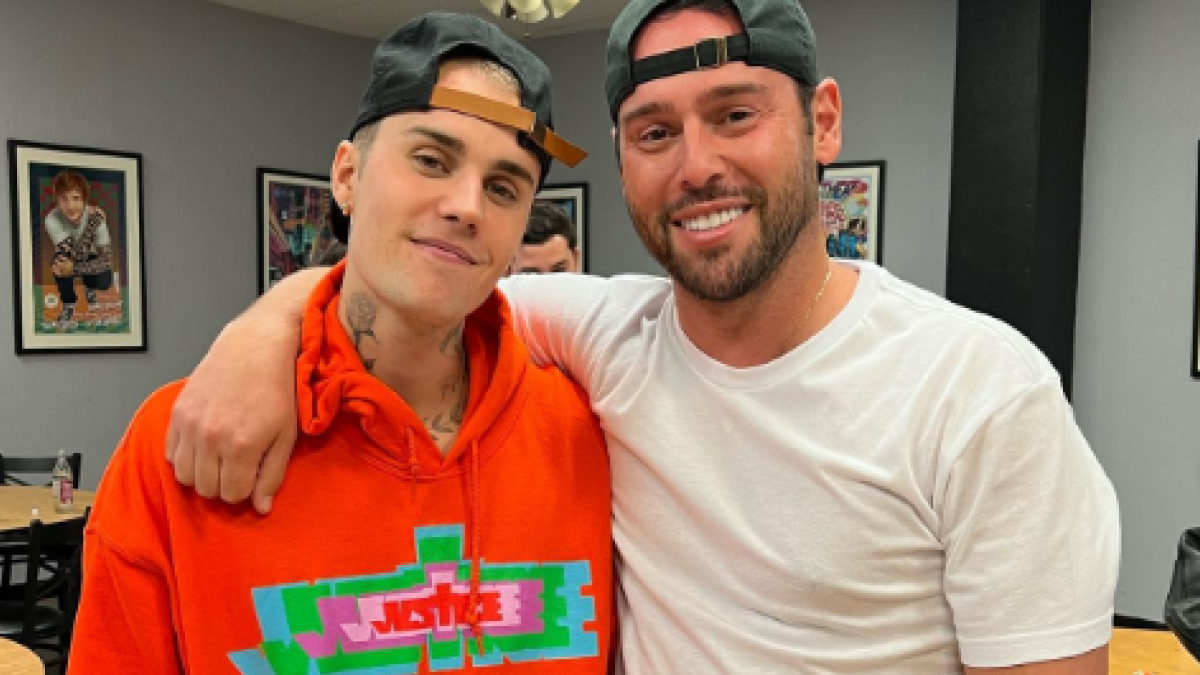
A resurfacing story from a former Justin Bieber fan account has ignited conversation online about the power of fandom, PR strategy, and the ways narratives can be shaped in the entertainment industry.
In a series of posts, the account claimed that Scooter Braun allegedly reached out in 2017, asking the fan to help post emotional content aimed at persuading Justin Bieber not to cancel his tour at the time. According to the account, Braun encouraged posts highlighting devoted fans, including images of children excited to see Bieber perform, with captions emphasizing how much fans depended on him.
The fan account also shared what they said were messages in which Braun discussed helping the page become an “official” fan account and even suggested the possibility of hiring the person behind it. The individual says they were also paid in some instances for Bieber-related posts and promotions, describing that period as both exciting and overwhelming, especially at a young age.
It is important to note that these claims are unverified allegations shared by the individual online and have not been publicly confirmed by Scooter Braun, Justin Bieber, or their teams. Still, the posts have sparked widespread discussion about how closely fan communities, management teams, and online narratives can sometimes intersect.
The person behind the account described feeling proud of what they achieved during that time, saying their work with fan communities eventually helped shape their career. At the same time, they reflected on the pressure and intensity of being so involved in the online ecosystem around a major global pop star.
The discussion has also revived older debates about celebrity PR tactics. Some fans online have speculated that if such coordination did happen, it raises broader questions about whether other narratives in celebrity culture, both positive and negative, are influenced by behind-the-scenes strategy. Others have pointed to past industry controversies, including public disputes between artists and management teams, as reasons why fans are more skeptical today about how media stories emerge.
However, much of this conversation remains speculative. While the fan account’s story has gained traction, there is currently no independent verification of the broader claims circulating online about other celebrities or media narratives.
What the situation does highlight is the evolving relationship between celebrities and fandom in the social media era. Fan accounts today are no longer just observers; in some cases, they become part of the promotional machinery surrounding artists, blurring the line between organic fan culture and organized marketing.
Whether these latest claims lead to further responses or remain part of online speculation, they have once again drawn attention to how powerful digital communities have become and how much influence narrative-building can hold in modern pop culture.