
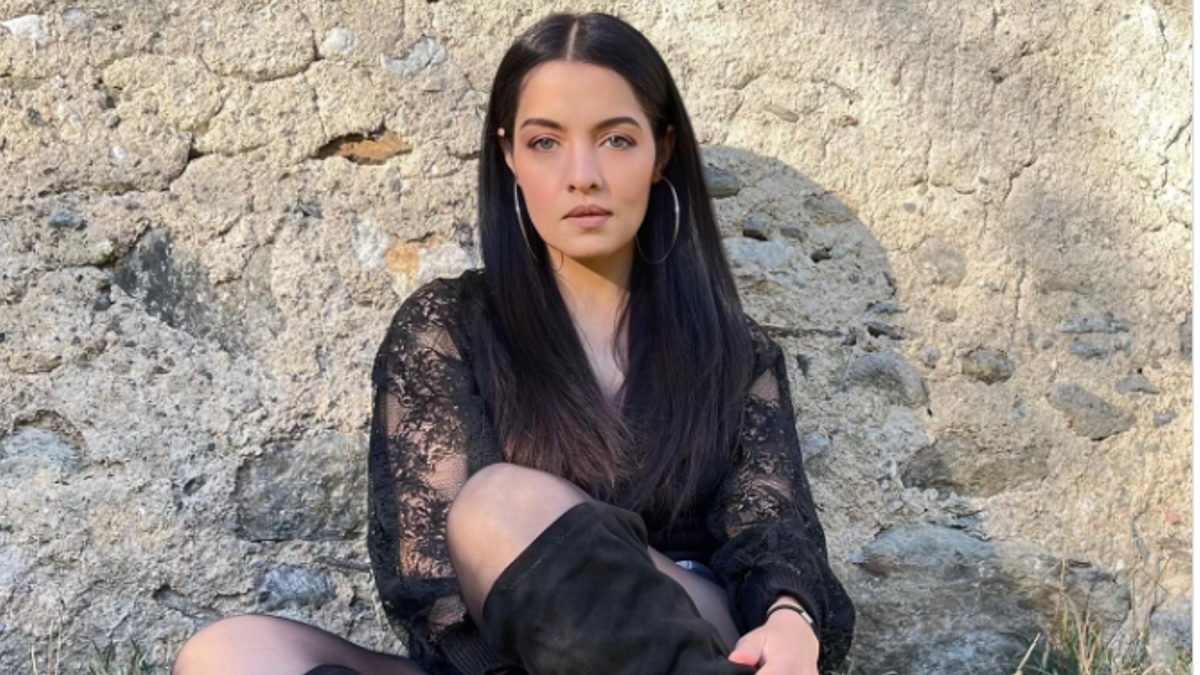
Actor Celina Jaitly has spoken publicly about the complexities of surviving an abusive relationship following the legal case she filed against her husband, Peter Haag, in November 2025. The actor approached the Judicial Magistrate First Class court in Andheri, Mumbai, accusing Haag of domestic violence, cruelty and manipulation. In her petition, she sought compensation amounting to ₹50 crore and other financial relief, citing emotional and financial losses she claims to have suffered during the marriage. Months after filing the case, Celina shared a deeply personal message on social media addressing a question often directed at survivors of abusive relationships: why they did not leave earlier.
In a detailed Instagram post shared on Saturday, Celina reflected on the emotional and psychological complexities that can keep people in harmful relationships for years. She began by questioning the common perception that someone who is educated, successful and financially independent should easily be able to leave an abusive marriage. According to her, the reality is far more complicated than many people assume. Celina explained that abuse does not usually begin with overt violence, but rather develops gradually within relationships that initially appear loving and supportive. She described how intense affection, promises and emotional dependence can slowly build before negative behaviour begins to emerge.
The actor wrote that the progression of abuse is rarely constant, which makes it even harder to recognise or escape. She explained that moments of conflict are often followed by apologies, emotional reconciliation and promises of change. These cycles, she said, can create a sense of hope that the relationship will improve. According to Celina, hope can become a powerful factor that keeps individuals emotionally invested even when harmful behaviour continues. Over time, she suggested, survivors may find themselves holding on to brief moments of positivity while enduring longer periods of distress.
Celina also highlighted how certain forms of abuse leave no visible marks. She explained that mental and verbal abuse can quietly erode confidence and self-belief over time. According to her, repeated exposure to such behaviour can gradually shift a person’s perception of what is normal within a relationship. She described how initial incidents may feel shocking, but repeated experiences can lead to confusion and eventually a form of acceptance. Fear, she added, often becomes layered with concerns about family stability, children’s wellbeing, financial uncertainty and the prospect of starting life over.
In her post, Celina spoke about the impact of parenthood on these decisions. She referred to her children as her “four greatest gifts” and explained that once children become part of the family, decisions are no longer solely about personal safety or happiness. She said many parents try to preserve stability for their children, believing that staying in the relationship may protect them from disruption. At the same time, she noted that shared assets and financial dependencies can make leaving even more complicated.
Celina also addressed the misconception that professional success or education can shield someone from emotional manipulation. She wrote that achievements and public strength do not necessarily prevent someone from experiencing psychological abuse or gaslighting. According to her, individuals in such situations may try repeatedly to repair the relationship by adjusting their own behaviour, hoping that greater patience or sacrifice will resolve the conflict. Cultural beliefs about the sanctity of marriage, she added, can further reinforce the pressure to remain committed despite difficulties.
In her message, Celina encouraged people to reconsider how they approach survivors of abusive relationships. Instead of asking why someone did not leave earlier, she suggested people should focus on understanding the psychological and emotional factors that can trap individuals in harmful situations. She concluded her note by acknowledging different stages of survival, saying that strength does not always mean leaving immediately. For some people, she wrote, resilience may take the form of enduring circumstances until they are able to safely move forward.
Celina Jaitly married Peter Haag, an Austrian entrepreneur and hotelier, in 2010. The couple has three surviving sons: twin boys Winston and Viraaj, born in 2012, and Arthur, born in 2017. Another son, Shamsher, passed away shortly after birth due to a heart condition. In her legal petition, Celina alleged that the abusive behaviour began shortly after their wedding. She recounted an incident during their honeymoon in Italy in which Haag allegedly reacted angrily when she sought medical attention, reportedly smashing a wine glass against the wall during the argument.
The petition also describes incidents during Celina’s pregnancy in 2011. According to the filing, Haag allegedly shouted at her and drove recklessly despite medical advice, which she claims caused spikes in her blood pressure. In another incident described in the petition, Celina alleged that he left her alone at a Dubai mall when she felt unwell, returning only after she contacted him and asked to be taken to a hospital.
In addition to claims of emotional abuse, the petition includes financial allegations. Celina has accused Haag of misusing her financial accounts, including withdrawing funds, misappropriating insurance proceeds and using her debit and credit cards while presenting himself as someone managing her expenses. She also alleged that he persuaded her to close certain bank accounts while she was in a vulnerable mental state, actions that she claims reduced her financial independence.
The case remains before the court, and the allegations made in the petition will be examined through legal proceedings. Celina’s recent public statement has drawn attention to the broader conversation about domestic abuse and the psychological factors that can influence survivors’ decisions within long-term relationships.