
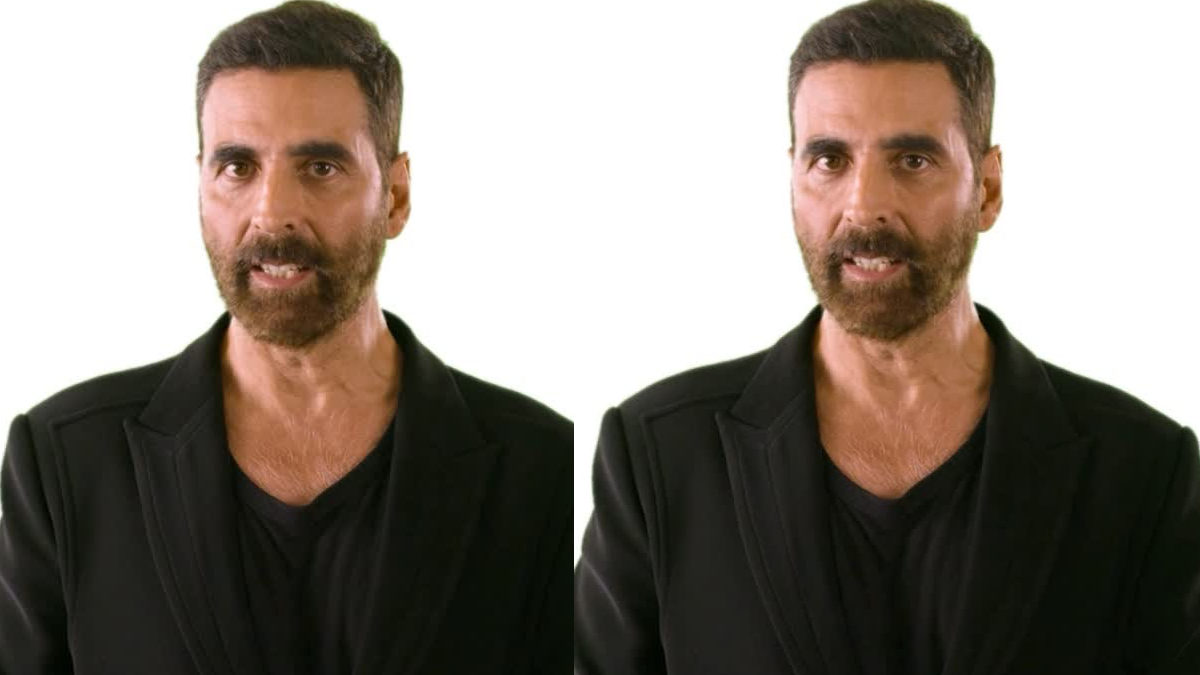
Actor Akshay Kumar recently shared an emotional account of losing his father to prostate cancer while speaking at a public discussion with journalist Rajdeep Sardesai during a conclave. During the conversation, Kumar reflected on the personal impact of his father’s illness and used the moment to highlight the importance of preventive health check-ups for men, particularly those above the age of 50.
Kumar spoke candidly about the loss, describing his father as the most important person in his life. He explained that discussing his father’s death remains difficult because of the deep bond they shared. According to the actor, the experience of losing him continues to shape how he views health awareness and preventive care.
The actor revealed that his father died at the age of 67 after battling prostate cancer. At the time, Kumar said, his family did not fully understand the importance of regular screening tests that could help detect the disease early. Reflecting on that period, he said the lack of awareness about routine health checks contributed to their inability to detect the illness sooner.
He specifically mentioned the Prostate-Specific Antigen (PSA) test, a blood test used to screen for signs of prostate cancer. Kumar explained that he only later learned that men above the age of 50 — and sometimes earlier depending on risk factors — are often advised to undergo regular PSA testing. According to him, this information was not widely discussed or understood when his father was alive.
Kumar said that if he had known about the need for regular PSA screenings earlier, the situation might have been different. He noted that many families, like his own at the time, may not be aware of preventive tests that can help detect certain diseases before symptoms appear. Because of this gap in awareness, he believes many people may miss opportunities for early diagnosis.
During the discussion, Kumar stressed that preventive healthcare education remains a major challenge. He observed that people often seek medical attention only after symptoms become severe, rather than undergoing routine screening that could identify potential health issues earlier. In his view, spreading awareness about simple medical tests can help individuals make better decisions about their health.
The actor used the platform to encourage men above the age of 50 to consider getting regular PSA tests. He emphasized that routine screening could help detect prostate cancer in its early stages, when treatment options are often more effective. Kumar described early detection as a critical factor that can significantly influence health outcomes.
He also highlighted that prostate cancer is among the most common cancers affecting men worldwide. Medical experts have long pointed out that the risk increases with age, particularly after 50. While not every elevated PSA level indicates cancer, the test can act as an early indicator that prompts further medical evaluation.
Kumar noted that health awareness is not just about individual well-being but also about the impact on families. Serious illnesses can affect entire households emotionally and financially, which is why preventive care becomes important for long-term stability and quality of life.
By sharing his personal experience, Kumar aimed to draw attention to the broader issue of health education and routine screening. His remarks focused on the need for people to stay informed about recommended medical tests and to prioritise regular check-ups as part of maintaining overall health.
Medical professionals generally advise individuals to consult doctors regarding appropriate screening schedules, especially if they have family history or other risk factors associated with prostate cancer. Increased awareness and timely medical consultation, experts say, can help improve outcomes for many patients.