
The 1990s is often remembered as a difficult and tense period for the Hindi film industry. During this time, the influence of the underworld became a serious concern. Many filmmakers, actors, and producers received threatening calls and faced pressure. Some incidents turned violent, including the murders of Gulshan Kumar and Mukesh Duggal, which deeply affected the industry and created a sense of fear among people working in films.
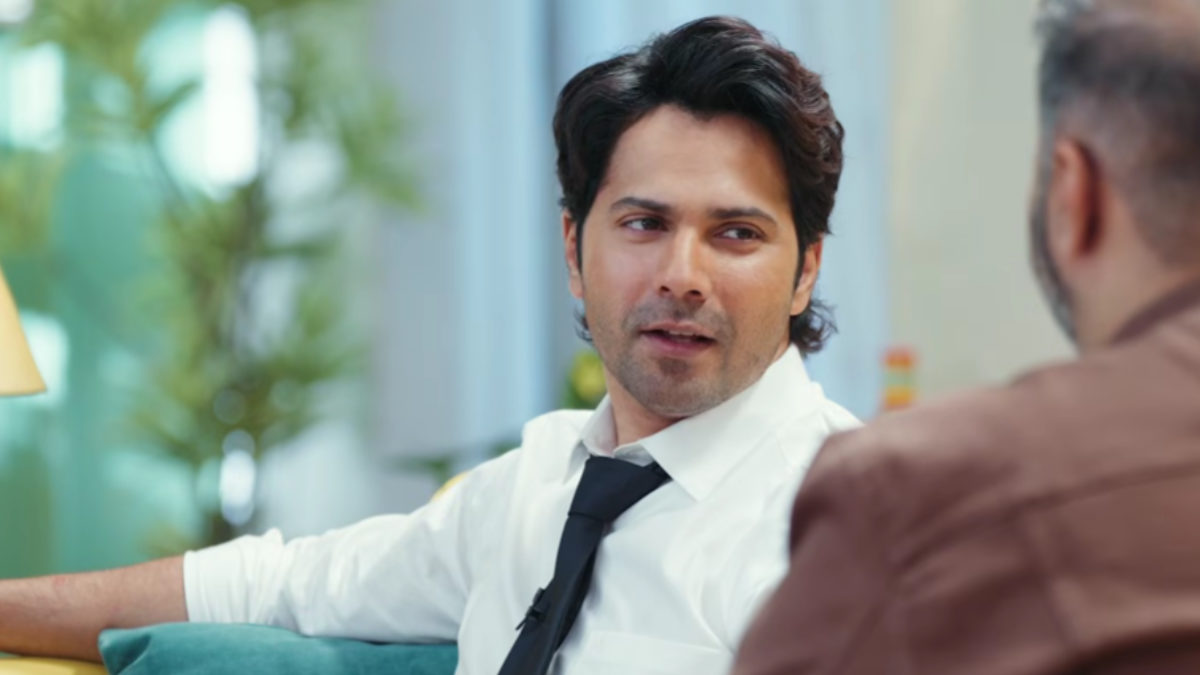
Actor Varun Dhawan recently spoke about a personal experience from that time involving his father, filmmaker David Dhawan. He shared that their family also received calls from unknown people, but they did not immediately understand how serious the situation was. He said, “People were getting underworld calls at that time, and we were getting them too. We had been receiving them for quite some time, but we didn’t realise it because the staff was arguing with whoever was calling. The staff even gave out our full address and told the person where to meet, saying, ‘Come meet me in that garden, I’ll beat you there,’”
What seemed like a strange and almost funny situation later became serious. Varun added, “When things escalated, an actor called my dad and said that this had gone out of hand, and that the person was now saying he would come with guns and that he knew our address and office timings. When my dad asked who had said this, he took the staff member’s name. So we had to stay somewhere else that day. It is funny, but it is not funny actually,” showing how quickly things changed.
Filmmaker Farah Khan also spoke about the fear people felt during that time. She remembered being on a film set when news came about Mukesh Duggal’s murder in 1997. She also spoke about threats received during the release of Kuch Kuch Hota Hai, directed by Karan Johar. She said, “I don’t know about Shah Rukh getting calls, but I do know that during the Kuch Kuch Hota Hai premiere, Karan Johar had received threats from the underworld. It was very scary. Everyone was discussing whether the premiere should be cancelled or not. Security was increased, but we eventually went ahead with it. Karan was extremely stressed, imagine it’s your first film and instead of celebrating it, you’re worrying about something like this,”
Karan Johar later shared his own experience in his book An Unsuitable Boy. He described a frightening moment when his family received a direct threat. He wrote, “The phone rang. My mother picked it up, and it was a call from the underworld. A man’s voice said, ‘Your son’s wearing a red T-shirt, I can see him right now. And we’re going to shoot him if you release this film on Friday.’ For some reason, they didn’t want the film to be released that Friday; we didn’t know why. It was a call from Abu Salem, and my mother was shaking with terror. She put the phone down and ran towards the door.”
In that situation, Shah Rukh Khan supported him and tried to calm everyone down. Karan recalled, “Shah Rukh said, ‘What nonsense!’ He went inside and dragged me out. He said, ‘I’m standing here in front of you. Let’s see who shoots you. I’m standing right here.’ I said, ‘No, no, no, my mother was…’ He told my mother, ‘Nothing’s gonna happen. I’m a Pathan. Nothing can happen to me and nothing will happen to your son. He’s like my brother. Nothing’s gonna happen.’”
Shah Rukh Khan also spoke about these experiences in King of Bollywood: Shah Rukh Khan and the Seductive World of Indian Cinema by Anupama Chopra. He said, “He would tell me that he could see me. It was like living under a telescope. It was very depressing and very scary,” referring to threats he received.
These accounts show how the film industry went through a challenging time, where fear was a part of everyday life for many people working in cinema.