
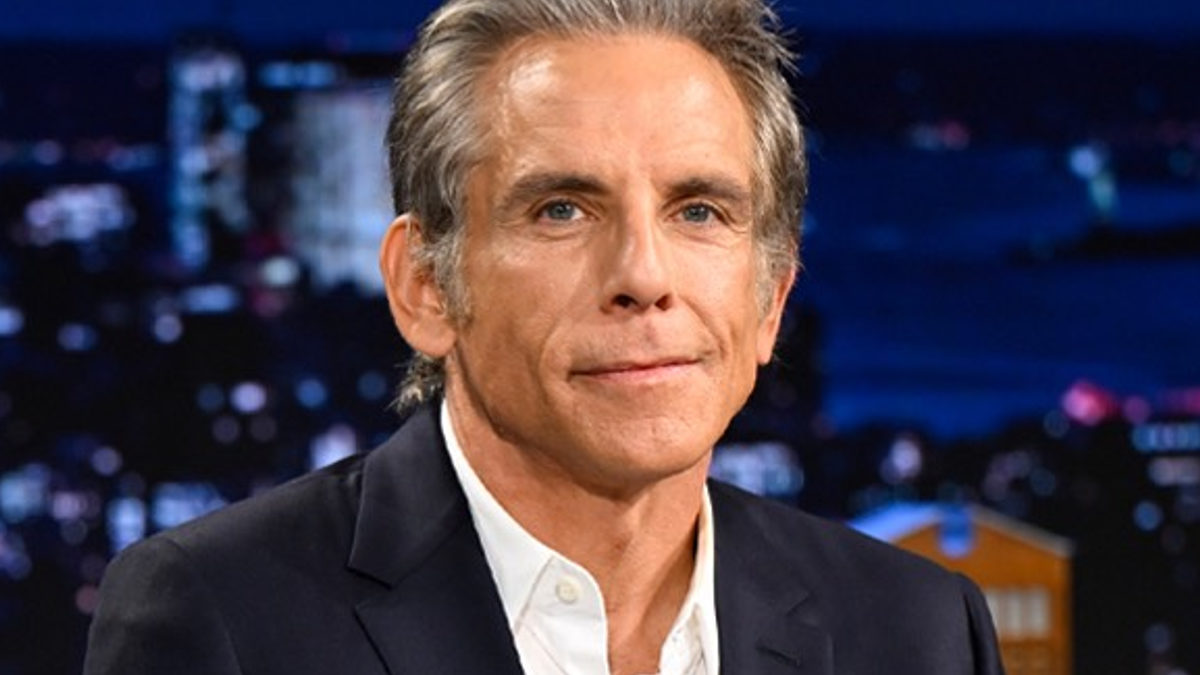
Ben Stiller has publicly called out the White House after discovering that a clip from his 2008 satirical war film Tropic Thunder was used in a government video related to war messaging. The actor and filmmaker expressed his frustration on X (formerly Twitter), where he made it clear that neither he nor the creators of the film had granted permission for the footage to be used. In his post, Stiller wrote directly to the White House and requested that the clip be removed immediately. He stated that he had no interest in being part of what he described as a propaganda machine, emphasizing that war should not be treated like entertainment.
Hey White House, please remove the Tropic Thunder clip. We never gave you permission and have no interest in being a part of your propaganda machine. War is not a movie. https://t.co/dMQqRxxVCa
— Ben Stiller (@BenStiller) March 6, 2026
Tropic Thunder, which Stiller directed and starred in, is widely known as a satirical take on Hollywood war films. The movie follows a group of actors who become trapped in a real conflict zone while filming a big-budget war movie. Because of its comedic and exaggerated portrayal of war, the film has often been discussed as a critique of how Hollywood dramatizes conflict.
The use of a clip from the movie in a real-world political or military context has therefore raised eyebrows. Many online observers pointed out that the film’s original purpose was to mock the entertainment industry’s treatment of war, making its appearance in a government-produced war video feel ironic to some viewers.
Stiller’s criticism also comes at a time when several artists and public figures have begun pushing back against governments and political groups using their creative work without permission. Musicians, filmmakers, and actors have increasingly spoken out when their songs, films, or images appear in political campaigns or messaging that they did not authorize.
In recent years, artists have become particularly sensitive about how their work is used in political messaging or military-related content, arguing that it can unintentionally signal endorsement of causes they may not support. Stiller’s response reflects that broader concern within the entertainment industry.
Online reactions to the situation have been mixed. Many users supported Stiller’s stance, arguing that creative work should not be repurposed for political messaging without the creator’s consent. Others debated whether the clip’s use fell under commentary or fair use, though the actor himself made it clear that he does not want the footage associated with any government messaging related to war.
For Stiller, the issue appears to be less about legal arguments and more about principle. His statement made clear that he believes war is a serious subject that should not be framed through entertainment imagery, especially without the approval of the creators involved.
The White House has not publicly responded to Stiller’s request at the time of writing.