
Disney films look magical on the surface, but once you start digging into fan theories, things get unsettling. Some feel like random internet imagination, while others are so convincing they genuinely change how you see the story. In Moana, one theory suggests Moana actually dies during the storm at the beginning. Everything that follows becomes her journey through the afterlife, guided by the ocean and spirits, until Te Fiti ultimately brings her back to life and sends her back to the human world. The world of Winnie the Pooh also takes a darker turn when you look at it through a psychological lens.
Each character is believed to represent a mental disorder, with Tigger showing ADHD traits, Eeyore reflecting depression, Piglet embodying anxiety, Pooh linked to compulsive eating, and Rabbit displaying obsessive behavior. Suddenly, the Hundred Acre Wood feels less innocent and more symbolic.
Then there is Aladdin, which might not be set in the past at all. The Genie casually references modern celebrities despite being trapped for 10,000 years. That has led to the theory that the story actually takes place in a distant future, long after civilization collapsed and rebuilt itself into something that resembles the past.
Peter Pan also flips entirely under one popular theory. Instead of being a hero, Peter is seen as someone who takes children away from their families, while Captain Hook is trying to stop him. In this version, the pirates are former lost boys who managed to escape and grow up.
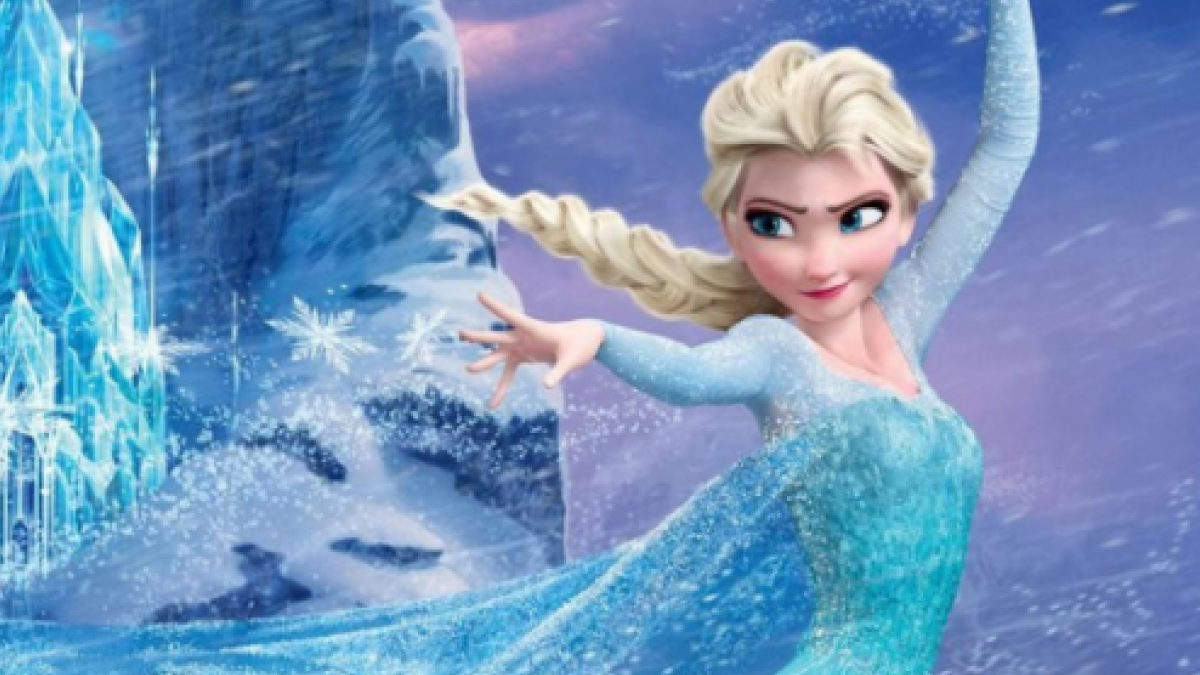
When Frozen released, another theory emerged that had nothing to do with the story itself. Many believe Disney intentionally named the film Frozen to bury search results about the long-running rumor that Walt Disney was cryogenically frozen. In reality, he was cremated, but the rumor never really went away.
In Finding Nemo, a much darker interpretation suggests Nemo never survived the barracuda attack. Marlin, unable to process the loss of his family, imagines the entire journey. The name Nemo, which means no one, adds another layer to this theory, turning the film into a story about grief and denial.
Up becomes even heavier when viewed through another lens. Carl is believed to have died in his sleep before being sent to a retirement home. The floating house represents his soul ascending, Russell is seen as an angel figure trying to earn his wings, and Paradise Falls is not a physical location but heaven itself.
Even Tarzan gets pulled into crossover theory territory. One popular idea suggests that Elsa and Anna’s parents from Frozen survived their shipwreck, ended up in a jungle, had a baby boy, and were later killed by a leopard. That child grew up to be Tarzan, a connection that a director has even said is a fun personal headcanon.
None of these theories are officially confirmed, but that is exactly why they keep circulating. They take familiar stories and add a layer of darkness that makes you look at them differently.
And once you start seeing them this way, there is no going back.