
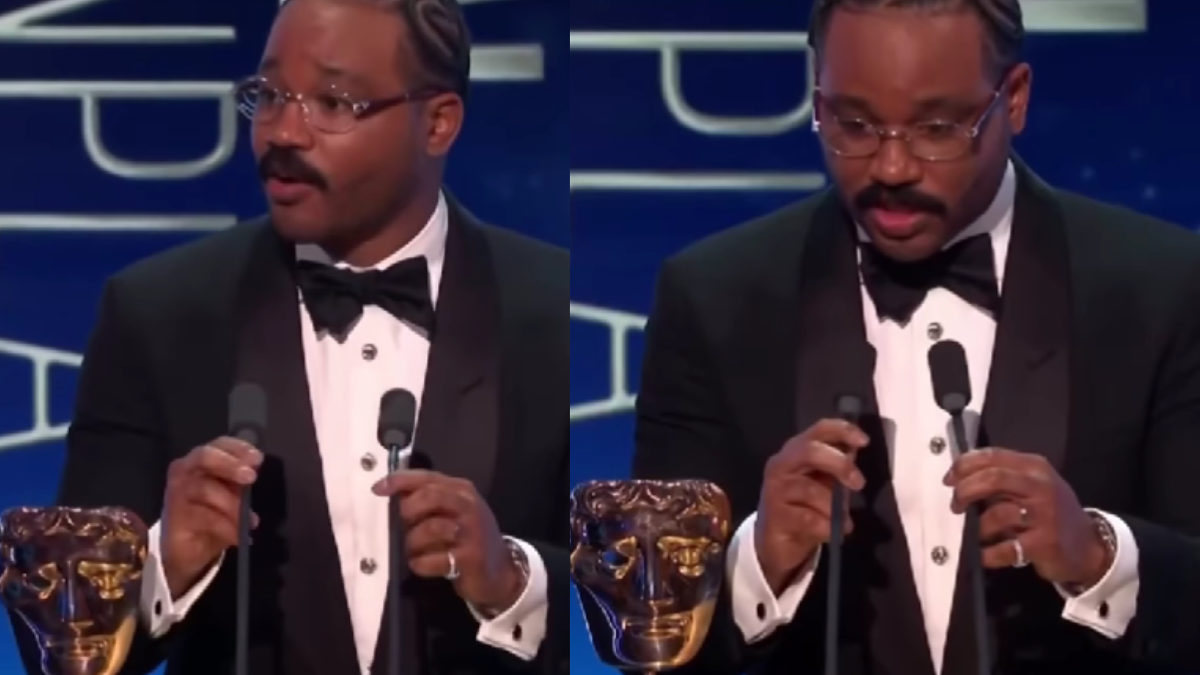
The fallout from the 79th British Academy Film Awards continues, as Jamie Foxx has shared his reaction to the racial slur that was heard during the live ceremony. The incident occurred while Michael B. Jordan and Delroy Lindo were presenting on stage. Tourette’s campaigner John Davidson, who was in attendance as a guest, involuntarily shouted the N word, which was picked up by microphones inside the venue.
Host Alan Cumming addressed the audience shortly after, explaining that the outburst was related to Davidson’s Tourette’s syndrome and that vocal tics can sometimes include inappropriate language. BAFTA and the BBC later issued apologies for the broadcast.
Jamie Foxx, however, made it clear that he was not comfortable with the explanation alone. In a strongly worded reaction, Foxx reportedly said the word itself is unacceptable under any circumstances and expressed frustration over the idea that Tourette’s could single out such a specific and painful racial slur. He questioned, “Out of all the things you could have said, Tourette’s makes you say that?” and emphasized that the history and weight of the word cannot be ignored.
Amid the backlash, John Davidson released a statement addressing the controversy. He said, “I am and always have been deeply mortified if anyone considers my involuntary tics to be intentional or to carry any meaning.” He reiterated that his vocal tics are a symptom of Tourette’s syndrome and are not reflective of his beliefs, character, or values.
Medical experts note that a symptom called coprolalia can cause involuntary utterance of socially inappropriate or offensive words, though it affects only a minority of people with Tourette’s. The incident has sparked a broader public conversation about neurological conditions, intent versus impact, and the responsibility of live broadcasts.
While the ceremony was meant to celebrate achievements in film, the moment has instead become one of the most discussed aspects of this year’s BAFTAs. Jamie Foxx’s reaction underscores the deep cultural sensitivity surrounding racial slurs, while Davidson’s statement highlights the complexities of living with a neurological condition in highly public settings.