
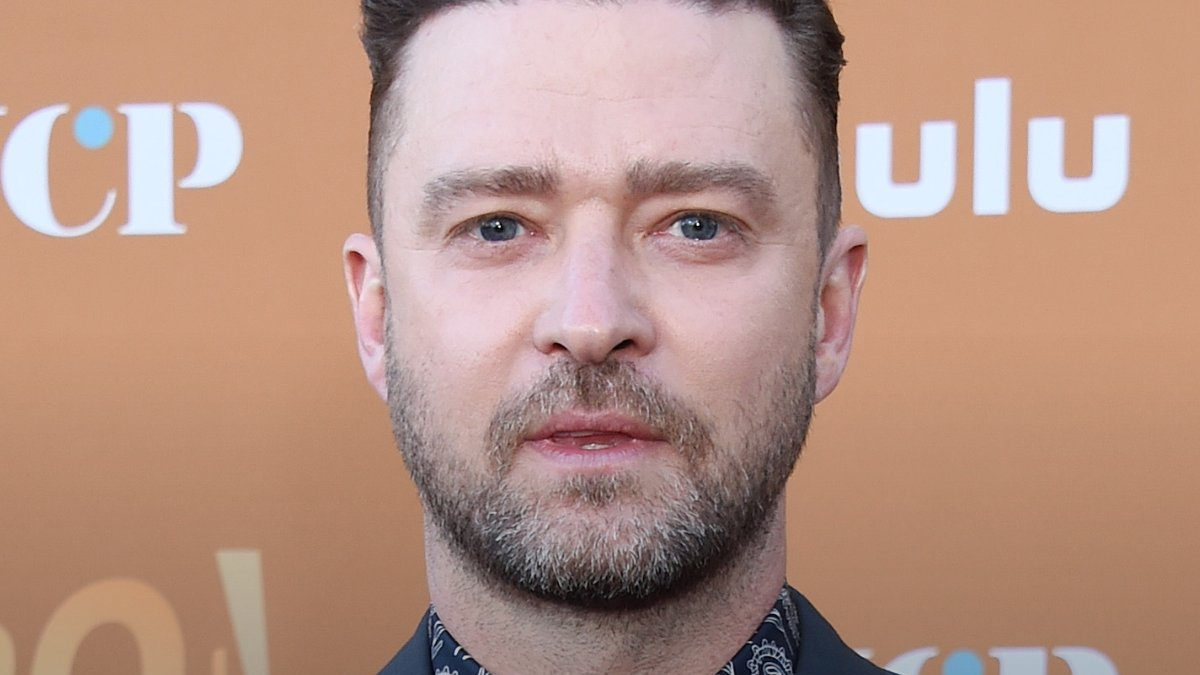
Pop star Justin Timberlake has returned to court in connection with his 2024 driving-while-intoxicated (DWI) case, this time seeking to prevent the public release of police body camera footage related to his arrest. According to multiple reports, the singer and his legal team filed a petition requesting that the footage not be made public, arguing that its release could cause significant damage to his reputation and invade his privacy. The petition was filed in the Suffolk County Supreme Court, where Timberlake’s attorneys presented their case to halt the planned dissemination of the video.
As reported by Variety and People, Timberlake’s legal team argued that making the bodycam footage public would result in “severe and irreparable harm” to the singer’s personal and professional reputation. In their official statement submitted to the court, the attorneys claimed that releasing the footage could subject Timberlake to public ridicule and harassment without serving any meaningful public interest. They also emphasized that the video could reveal personal details unrelated to oversight of government operations, which they believe should remain private.
The legal filing further requested that Timberlake and his representatives be allowed to review the body camera footage before any decision regarding its release is made. Their argument suggested that the video may contain sensitive information that could be misinterpreted or unnecessarily exposed to the public. In response to the petition, Newsday reported that Joseph Farneti, a judge in Suffolk County, granted a temporary restraining order on Thursday. This order temporarily blocks authorities from releasing the footage while the court continues to review the matter.
The legal development follows Timberlake’s widely reported arrest in June 2024 in Sag Harbor, New York. Authorities stated that the singer had been stopped shortly after leaving the American Hotel. According to police records, Timberlake was charged with one count of driving while intoxicated as well as two additional violations related to traffic infractions, including running a stop sign and changing lanes improperly.
The arresting officer’s report described Timberlake as having “bloodshot” and “glassy” eyes and noted that he reportedly performed poorly during a field sobriety test conducted at the scene. However, Timberlake maintained that he had consumed only one martini prior to driving and declined to take a Breathalyzer test at the time of the stop.
Justin Timberlake’s legal team filed a suit to block the release of body camera footage from his 2024 drunk driving arrest.
— Variety (@Variety) March 5, 2026
His attorneys argued that the release of the footage would cause “severe and irreparable harm” to his reputation, as well as “subject [him] to public… pic.twitter.com/rypW8Q7qo0
Several months after the incident, the legal case reached a resolution when Timberlake appeared in court in September 2024. During the hearing, the singer pleaded guilty to a reduced charge related to the incident. As part of the court’s decision, he was ordered to pay a $500 fine and complete between 25 and 40 hours of community service.
During the court proceedings, Timberlake addressed the situation and acknowledged his mistake. He admitted that he had not lived up to the personal standards he tries to maintain and said he should have exercised better judgment that evening. His statement reflected a recognition of the seriousness of the offense and the responsibilities that come with public visibility.
After the hearing, Timberlake also spoke briefly with reporters, using the moment to deliver a broader message about responsible behavior. He urged people not to drive after drinking, even if they believe they have consumed only a small amount of alcohol. Emphasizing the many alternatives available today, he suggested calling a friend, using a ride-sharing service such as Uber, or taking a taxi instead.
Timberlake described the incident as a mistake from which he hopes others can learn. While the legal consequences of the case have largely been resolved, the question surrounding the release of the bodycam footage remains under judicial review. For now, the temporary restraining order ensures that the footage will not be made public until the court reaches a final decision on whether it should be disclosed.