
Forget everything you associate with The Mummy as an adventure spectacle. Lee Cronin’s version is doing the exact opposite. This is not about treasure hunts, desert mythology or larger-than-life villains. This is about fear, and it wants to feel personal.Directed by Lee Cronin and backed by James Wan and Jason Blum, the new The Mummy is being positioned as a return to what these monsters originally were meant to be. Not fun. Not cinematic rides. Just unsettling, unpredictable horror.
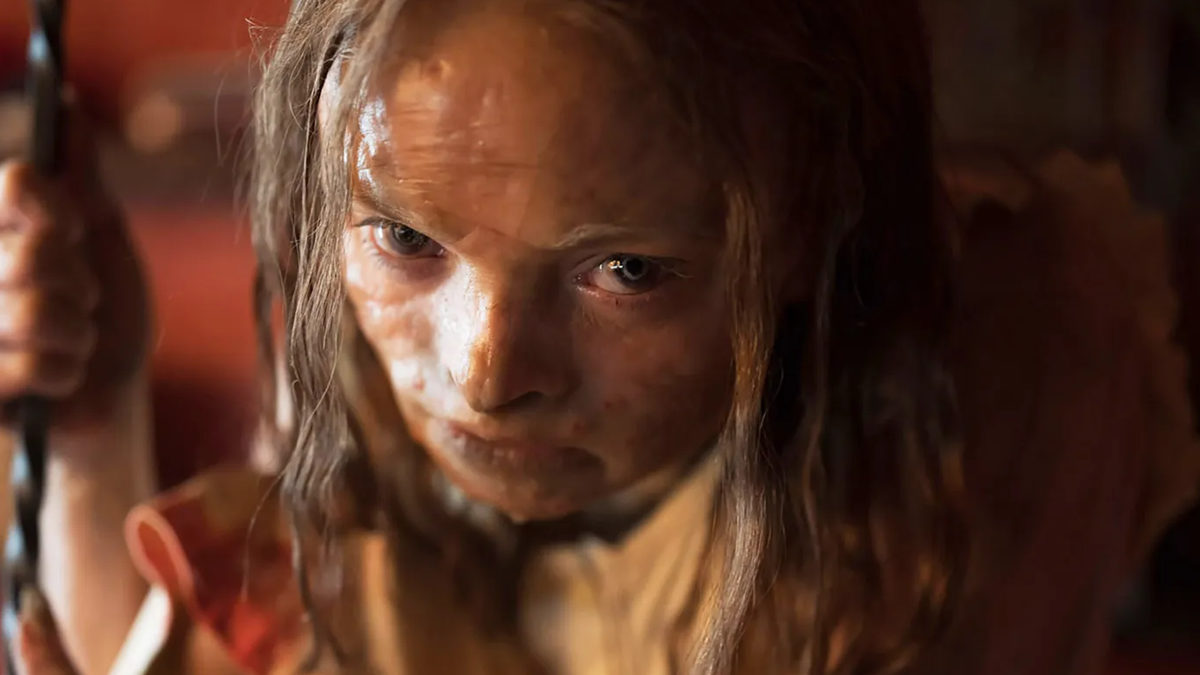
The biggest shift is in perspective. Instead of ancient kings and grand curses, the story centers around a family. A missing daughter returns after years, found inside a sarcophagus under impossible circumstances. What should be a reunion slowly turns into something much darker. The horror is not just external. It enters the house, the relationships, the everyday.
That is where the film separates itself. It is not treating the mummy as a spectacle. It is treating it as a condition. Something closer to possession than mythology. Something that spreads, affects, and destabilizes.
Cronin leans into body horror and psychological tension instead of scale. The idea of mummification itself is reworked, not as a ritual of the elite, but something that can happen to anyone. That shift alone changes the tone. It moves the story away from historical fantasy and into something that feels disturbingly close to reality.
There is also a clear intention to bring back fear as the core experience. Over time, classic monsters became safer, more commercial, more accessible. This version is trying to undo that. It wants discomfort. It wants unpredictability. It wants you to feel like you cannot fully trust what is happening on screen.
The comparison point here is not older Mummy films. It is modern horror that uses familiar concepts to explore something deeper. The film reportedly builds itself around mystery as much as fear. Not just what is happening, but why it is happening, and what it is doing to the people involved.
What makes this approach interesting is that it strips away the comfort of scale. When the threat is global, it can feel distant. When it is inside a home, inside a family dynamic, it becomes harder to escape. That is clearly the direction this version is taking.
Cronin has already shown with Evil Dead Rise that he understands how to make horror feel contained but intense. This seems like an extension of that thinking. Take something familiar, remove the spectacle, and push it into a space where the audience cannot look away.
The Mummy is no longer a story about ancient evil returning. It is a story about something entering your life quietly and changing it from the inside. And that might be the most unsettling version of it yet.