
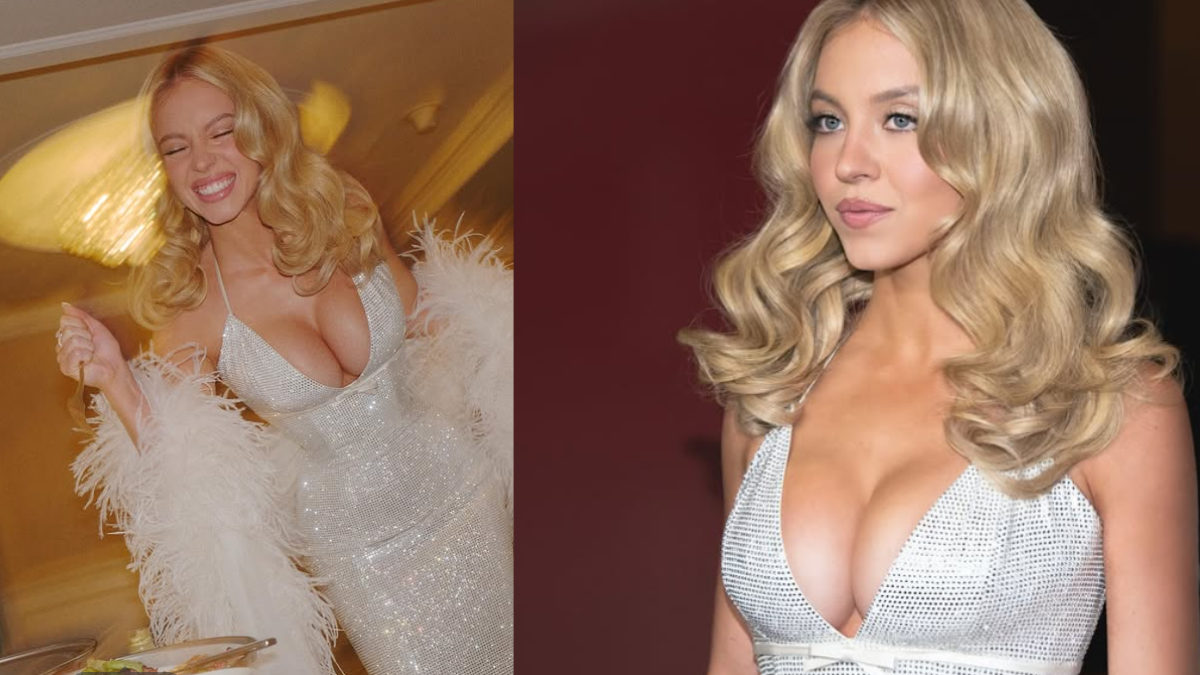
Sydney Sweeney’s Christy entered the year as a potential awards contender. Early viewers praised her performance as one of her strongest to date, and industry watchers expected at least a few nominations. Instead, the film received nothing, and the conversation around Sweeney shifted back to a controversy she had hoped was behind her.
Much of the criticism she faces today began with her American Eagle ad. The campaign imagery, which many viewers immediately linked to MAGA-coded aesthetics, sparked widespread accusations of political signalling and racial insensitivity. When the backlash first surfaced, Sweeney denied the interpretation altogether and insisted the conversation was being blown out of proportion. Her team stood by the ad and dismissed the criticism. This response only made the scrutiny louder.
Months passed. The internet had already formed its opinion. By the time Sweeney eventually apologised, the damage was done. Audiences felt the apology came too late and only arrived because the narrative around her had already shifted into something negative. Her public image, once carefully crafted, became a point of debate.
Christy arrived in the middle of all this. Despite Sweeney’s performance being widely praised, the film did not gain the support it needed. Without a strong awards campaign, without a unified push from the studio, and with her name tangled in ongoing controversy, the film struggled to find momentum. Award seasons are influenced not only by craft but by perception, timing, and industry sentiment. This year, none of those worked in her favour.
Christy may still earn appreciation from audiences and find a second life beyond awards chatter, but its awards shutout shows how quickly Hollywood shifts. Sweeney’s work stands, but the conversation surrounding her continues to shape how the industry responds.