
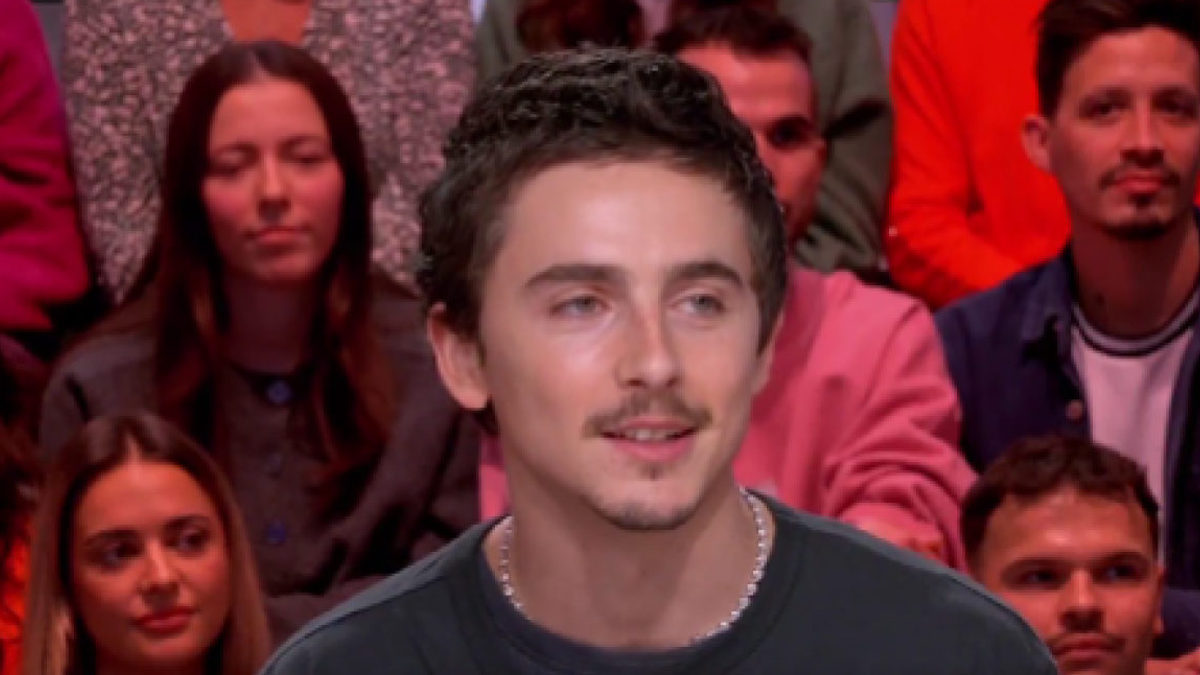
Timothée Chalamet has found himself at the center of a heated cultural debate after comments he made about ballet and opera sparked widespread criticism from performers and artists across the world. The remarks were made during a live Variety and CNN town hall conversation with Matthew McConaughey, which aired on CNN on February 21.
In the discussion, Chalamet spoke about how certain art forms often rely on constant advocacy to stay relevant, saying that he personally would not want to work in areas such as ballet or opera where people are frequently encouraged to “keep the art form alive.” During the conversation it was also stated that audiences naturally show up for art they truly care about, citing films like Barbie and Oppenheimer as examples of projects that generated massive public enthusiasm without needing constant campaigning for relevance.
One particular remark quickly became the focus of online criticism when Chalamet suggested that “no one cares” about ballet or opera anymore. The comment circulated widely across social media platforms and drew strong reactions from members of the classical arts community. Many artists argued that the statement dismissed centuries of cultural tradition and ignored the vibrant communities that continue to sustain these art forms today.
Among the first to respond was Grammy-winning opera singer Isabel Leonard, who criticized the remark on Instagram. Leonard wrote that she was surprised someone who works within the arts would make such a narrow statement about fellow artistic disciplines. She argued that diminishing other forms of artistic expression reflects poorly on an artist’s understanding of the broader creative ecosystem.
Other opera performers joined the conversation as well. Canadian mezzo soprano Deepa Johnny commented that live theatre, ballet, and opera remain some of the most powerful artistic experiences available today. Irish opera singer Seán Tester also shared his thoughts online, calling the remark reductive and arguing that popularity should not be confused with cultural value.
The discussion even prompted a response from The Royal Ballet and Opera, which issued a statement noting that these art forms have always existed in dialogue with other creative disciplines. According to the organization, ballet and opera continue to influence theatre, film, fashion, and music while attracting millions of viewers worldwide.
The controversy comes at a particularly sensitive moment for Chalamet, who is currently nominated for Best Actor at the 98th Academy Awards for his performance in the sports drama Marty Supreme. The Oscars are scheduled to take place on March 15, and the actor remains one of the high profile contenders in the race.
At the same time, the debate has expanded beyond the original comment and turned into a broader conversation about artistic interpretation. Many observers have pointed out that while the statement may have been poorly phrased, it could also reflect a personal opinion rather than a deliberate attack on classical arts.
Artistic debates about relevance and audience engagement have existed for decades. Ballet, opera, theatre, film, and digital storytelling constantly evolve while competing for audience attention in an increasingly crowded cultural landscape. The conversation surrounding Chalamet’s comments highlights how sensitive discussions about art forms can become when they intersect with public platforms and global fan bases.
Whether the backlash will affect the Oscar race remains uncertain. What is clear, however, is that the discussion has reignited passionate defense of traditional performing arts and reminded audiences that ballet and opera remain deeply valued by communities around the world.
Source: Variety and CNN Town Hall conversation with Matthew McConaughey, broadcast on CNN (February 21, 2026); reporting referenced from Page Six.