
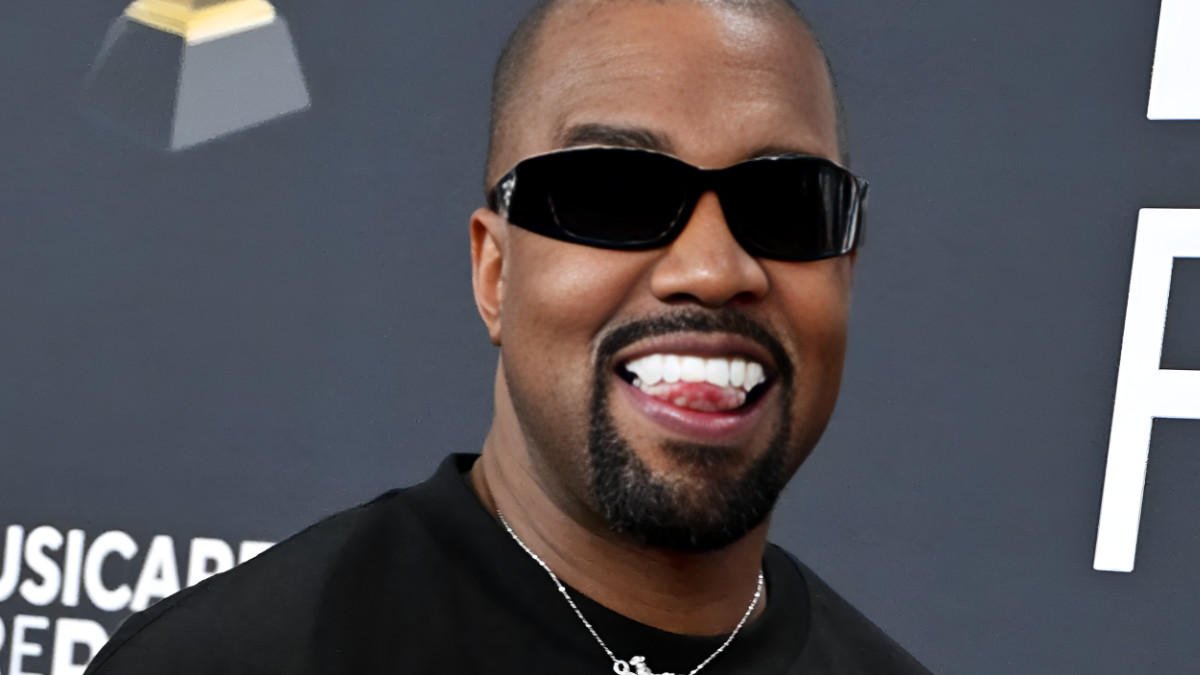
When Kanye West was announced as the headliner for Wireless Festival 2026, it was supposed to signal one thing. A comeback. Instead, it triggered a corporate exodus. What followed was not just outrage. It was a real-time test of how far brands are willing to go when controversy meets culture. The biggest blow came early. Pepsi pulled out, ending a long-standing association that had defined the festival’s identity for years. This was not just a sponsor leaving. This was the face of the festival stepping away.
And once that domino fell, others followed.
Diageo withdrew. PayPal removed its branding. Budweiser and Rockstar Energy Drink exited. Even associated alcohol and lifestyle partners began distancing themselves.
This was not a slow reaction. It was immediate, coordinated, and telling.
At the center of it all is Kanye West’s history.
His past antisemitic remarks have made him one of the most polarizing figures in global pop culture. For some, his return is about redemption and separating art from artist. For others, giving him a stage of this scale feels like normalization.
That tension is exactly where brands got uncomfortable.
Because brands do not just sell products anymore. They sell values. And in a hyper-aware digital world, association is everything.
Interestingly, the festival organizers did not back down.
They acknowledged his past statements as unacceptable, but stood firm on the idea of second chances. Their argument is simple. He is being invited to perform music, not politics.
It is a bold stance.
But it also raises a bigger question. Can you really separate the artist from the persona when the persona is the reason the backlash exists?
This is where the situation becomes bigger than Kanye.
This is about corporate risk.
Brands today operate in a space where public perception shifts overnight. One wrong association can turn into a boycott, a trending hashtag, or worse, long-term damage.
So what we are seeing is not just outrage. It is calculated distance. There is also another layer.
Kanye West is reportedly making a commercial comeback. His recent shows have performed strongly. His music is still being streamed. His fan base has not disappeared.
So while brands are pulling out, audiences are still showing up.
That contradiction is important.
Because it highlights a divide between corporate morality and consumer behavior. And that is where the real debate lies.
Are brands reacting to genuine ethical concerns, or are they reacting to fear of backlash?
Is this accountability, or is it risk management? What is clear is that Kanye West remains one of the few artists who can dominate headlines without releasing a single track.
This is no longer just about music.
It is about power, perception, and the price of controversy. And right now, that price is being paid not by the artist, but by everyone around him.