
The first connection with Marathi culture did not come from films or books. It came from everyday life. Growing up in Dombivili, it was present in friendships that felt like family, in a language that slowly became second nature, and in homes where cultural boundaries never felt rigid. Identity did not feel separate. It blended in naturally.
Television played an important role in this early exposure. Shows like Chal Navachi Vachal Vasti, Zopi Gelela Jaga Zala, and Shwetambara were not just entertainment. They felt real and relatable. They reflected life in a way that stayed with you. Much later, when global stand-up comedy like that of Russell Peters became popular, it felt familiar. That same observational humour had already been experienced much earlier through P. L. Deshpande. His work was not just funny. It captured everyday life with sharp insight and warmth. People laughed because they saw themselves in it.
Cinema also found its way into daily life in quiet ways. Vikram Gokhale was admired with a certain respect, while Reema Lagoo represented warmth and emotional comfort that reminded people of their own families. These were not distant stars. They felt close and familiar. Over time, this connection only grew stronger through relationships and friendships rooted in Maharashtrian culture. Even today, shows like Maharashtrachi Hasyajatra bring back that same feeling of comfort and brilliance in humour. This perspective comes from affection, not criticism.
There is something important about silence. Not just the absence of noise, but the absence of recognition. Marathi cinema today creates some of the most thoughtful and emotionally strong stories in Indian cinema. Yet, it often stays away from openly celebrating itself or others.
This becomes more visible when compared to other film industries. When S. S. Rajamouli praised Avatar: The Way of Water and James Cameron spoke highly of RRR, it showed how mutual appreciation helps create visibility. When Allu Arjun admires Hrithik Roshan, it builds connections that go beyond industries. These gestures help films and artists reach wider audiences.
In comparison, silence starts to look like invisibility.
The issue with Marathi cinema is not talent or quality. It is more about approach. There is a sense that appreciation stays within the industry and is not expressed outwardly. Even when films like Kantara succeed on a large scale, reactions from parts of the Marathi ecosystem sometimes show hesitation in accepting or celebrating that scale.
This is not just about taste. It reflects a certain discomfort with big scale storytelling. But cinema today is becoming more connected and global. Avoiding that shift can make an industry feel left behind. When there is no public celebration, even good work struggles to reach a larger audience.
So the question is whether this restraint is a strength or if it has slowly become a limitation.
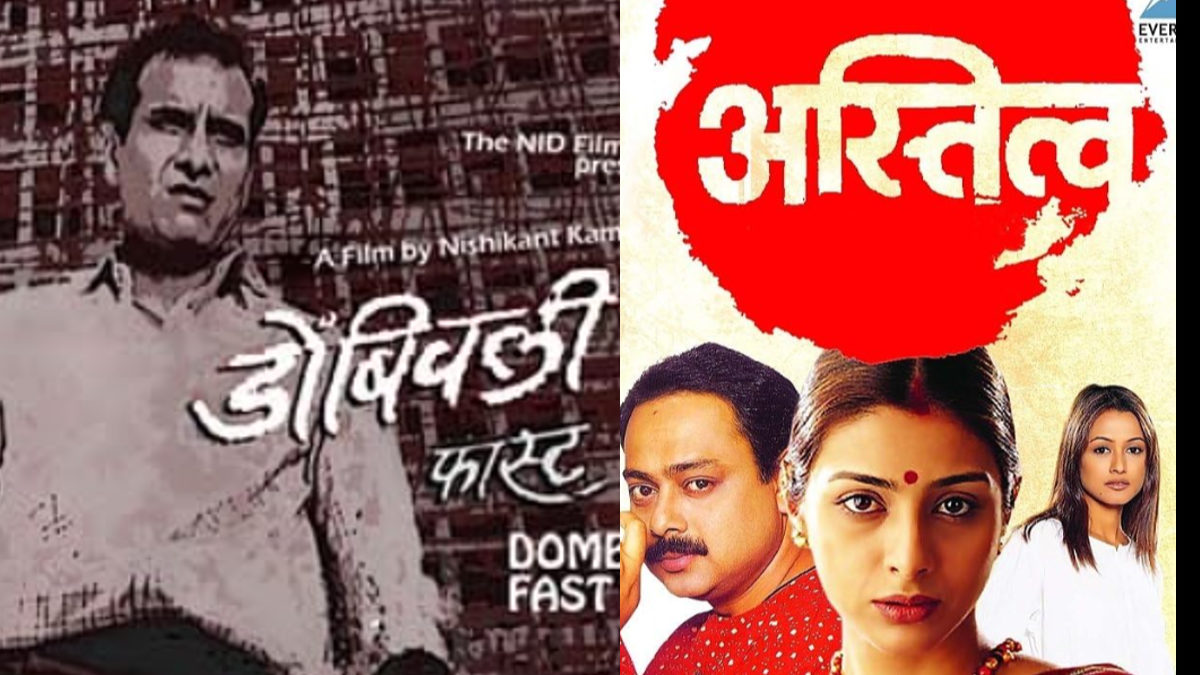
To understand Marathi cinema, one must look at its foundation. It has always chosen depth over spectacle. Films like Dombivli Fast and Astitva focus on real people and real struggles. They are not meant to impress with visuals but to make people think and reflect.
There is also honesty in this approach. Not chasing big budgets is not always a weakness. It often comes from a conscious decision to stay grounded and avoid unnecessary excess. In an industry where ambition is sometimes confused with overspending, this restraint shows discipline.
But when integrity is not supported by visibility, it can lead to isolation.
Marathi cinema has played a huge role in shaping Indian cinema as a whole. Dadasaheb Phalke laid its foundation. That contribution alone is historic. Actors like Ramesh Deo and Seema Deo became memorable through films like Anand. Sulochana Latkar and Lalita Pawar created strong and lasting character types. Even small roles, like Viju Khote in Andaz Apna Apna, became unforgettable.
Dada Kondke created a unique style of comedy that gained a loyal following. Later, actors like Laxmikant Berde, Sachin Pilgaonkar, and Ashok Saraf brought energy and humour that defined an era. Artists like Amol Palekar represented the common man with simplicity and depth. Rohini Hattangadi, Dilip Prabhavalkar, Mohan Joshi, and Sulabha Deshpande contributed performances that shaped Indian cinema in meaningful ways.
These were not just actors. They were pillars of the industry.
Despite such contributions, recognition has not always matched the impact. Actors like Ashok Saraf and Vikram Gokhale often appeared in supporting roles in larger industries rather than leading them. Over time, this may have influenced how the industry sees itself.
Competition and insecurity are natural in any field. Supporting a peer is not always easy. But when appreciation becomes rare, it affects collective growth. At the same time, filmmakers like Ashutosh Gowariker with Lagaan and Swades, and Mahesh Manjrekar with Vaastav, showed that strong storytelling does not need noise. It needs belief.
Today, cinema is not just about making films. It is also about making sure they are seen and talked about. Promotion and visibility have become just as important as creation. When people like Rohit Shetty and Johnny Lever appreciate Maharashtrachi Hasyajatra, they are helping it reach a wider audience.
Without such support, even good content can remain limited in reach.
There is also a growing doubt among audiences about big budget films. Questions about earnings, marketing, and financial transparency make large scale cinema feel less real. For many Marathi viewers, simple and grounded storytelling still feels more honest and relatable.
The way forward is not to copy others but to grow in the right direction.
Marathi cinema does not need to become louder. It needs to be heard more. It does not need to chase scale blindly. It needs to use visibility wisely. Its strength in storytelling is already strong. What it needs is a more open and supportive culture within the industry.
Films like Vaalvi show that creativity is still alive and strong. What is needed now is for artists to support not only their own work but also each other.
Because long term success will not come from staying separate. It will come from being part of a larger conversation.
Marathi cinema remains one of the most meaningful parts of Indian entertainment. It stands on strong values of culture, intelligence, and honesty. But in today’s world, staying silent is no longer the same as being humble.
The future lies in balancing depth with visibility. In celebrating success without hesitation. In working together without losing identity.
Sometimes, the most powerful thing an industry can do is not just create great work, but openly recognize it.