
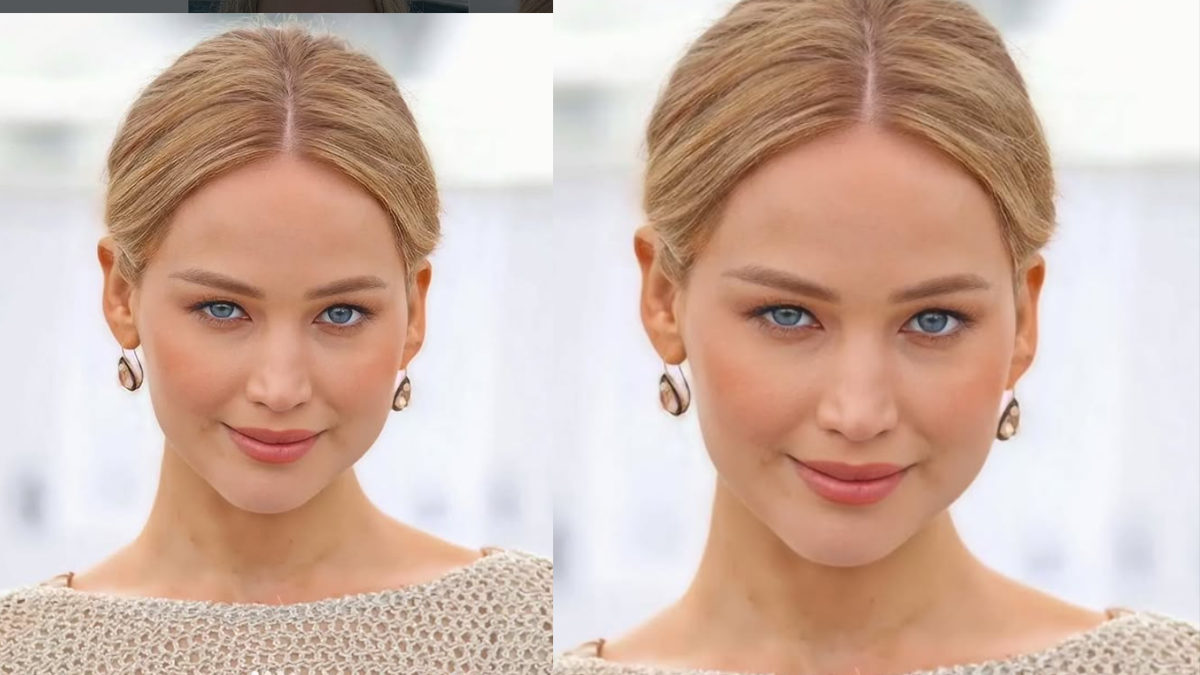
Jennifer Lawrence has never shied away from honesty, and once again, the Oscar winning actor has sparked conversation with a candid revelation about Hollywood’s harsh beauty standards. In a recent interview, Lawrence shared that she lost out on the role of Sharon Tate because she was reportedly deemed “not pretty enough.” According to the actor, the decision was blunt and left little room for interpretation. “Everyone was like, she’s not pretty enough to play Sharon Tate, and then he didn’t cast me,” she said.
The statement has struck a nerve online, especially given Lawrence’s long standing status as one of Hollywood’s most celebrated stars. Sharon Tate, who remains an enduring symbol of 1960s glamour and tragedy, has often been portrayed through a very narrow lens of beauty. Lawrence’s comments shed light on how even the most successful actors are not immune to rigid and often unrealistic expectations, particularly when it comes to playing real life figures who have been mythologised for decades.
What makes the revelation even more jarring is Lawrence’s own career trajectory. From Silver Linings Playbook to The Hunger Games, she has repeatedly proven her ability to balance vulnerability, strength, and emotional depth. Yet, her experience suggests that talent and accolades can still take a backseat to appearance, especially in roles rooted in iconic imagery.
The conversation around Sharon Tate’s portrayals has gained renewed attention in recent years, particularly after Margot Robbie played the role in Quentin Tarantino’s Once Upon a Time in Hollywood. Lawrence’s admission adds another layer to the discourse, highlighting how casting decisions can reinforce narrow ideals of beauty while quietly excluding actors who do not fit a predetermined image.
Fans have rallied around Lawrence, calling her revelation both heartbreaking and infuriating. Many have pointed out the irony of labelling someone as universally admired as Lawrence “not pretty enough,” underscoring how distorted Hollywood’s benchmarks can be. Her honesty once again opens the door to a larger conversation about representation, objectification, and the pressures faced by women in the industry, even at the very top.