
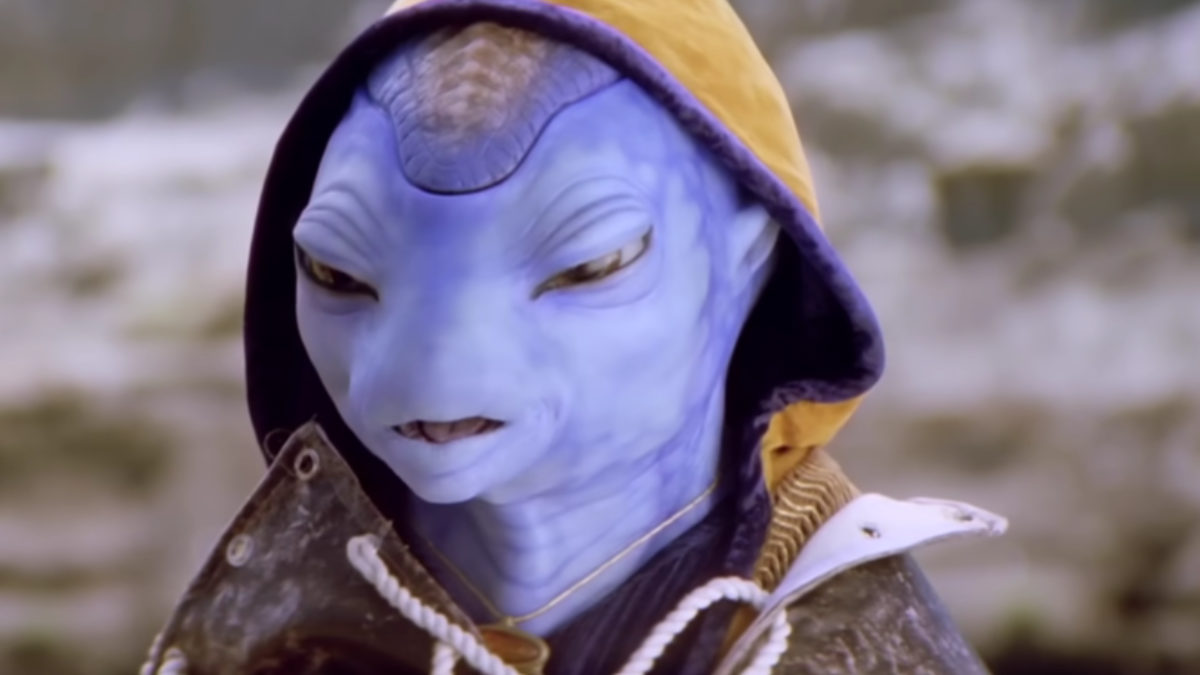
The truth is simple. We haven’t met an alien. Not once. And yet, we already don’t trust them. Long before any real contact, we’ve written their character for them. In film after film, aliens arrive with one purpose: to invade, destroy, or dominate. It’s a strange instinct. Faced with the unknown, we don’t imagine curiosity. We imagine conflict. That says less about extraterrestrials and more about us.
Mainstream science fiction has trained us to expect the worst.
In Independence Day, aliens blot out the sky before wiping out entire cities. War of the Worlds turns them into unstoppable forces of extinction. The creature in Alien is pure survival horror, while Predator reduces humans to prey.
These stories work because they tap into something primal. The fear of being outmatched. The fear of invasion. The fear of losing control.
But they also echo real, human anxieties. Cold War paranoia. Technological dread. The idea that something more powerful could arrive and treat us the way we’ve often treated each other.
Aliens become a convenient stand-in. A blank canvas for our worst-case scenarios.
A smaller set of films asks a different question. Not how do we fight them, but can we understand them.
Arrival is built on language, not weapons. The tension comes from translation, from the risk of misunderstanding something entirely unfamiliar. Contact treats alien life as distant, intelligent, and oddly reassuring.
Then there’s District 9, which flips the script. The aliens aren’t conquerors. They’re stranded, marginalized, and controlled. Humans, in this case, hold the power and misuse it.
Annihilation goes further still. Its alien presence isn’t hostile in any clear way. It’s simply beyond human logic, forcing us to confront the limits of how we define intent, threat, and meaning.
These films are quieter, but they linger longer. They don’t offer easy answers.
Friendly aliens are rare enough that we remember them instantly.
E.T. the Extra-Terrestrial gave us a visitor who was lost, gentle, and deeply human in emotion. In India, Koi… Mil Gaya introduced Jadoo, not as a threat but as a healer and companion. Even the irreverent Paul and the emotional arc of Super 8 push in the same direction. The alien isn’t the danger. Our reaction to it is.
These stories stand out because they challenge the default. They suggest that the unknown doesn’t have to be hostile. It can be curious. Vulnerable. Even kind.
Part of the answer is practical. Conflict drives attention. An alien invasion gives you instant stakes, clear heroes, and a ticking clock. It’s easy to sell and easy to follow.
But there’s a deeper layer. Humans are wired to be cautious of what we don’t understand. When the unknown is as vast as an advanced extraterrestrial species, caution quickly turns into suspicion. Suspicion turns into imagined threat.
So we write aliens the way we prepare for danger. We assume the worst and build stories around surviving it. In doing so, we reveal a quiet truth. Our first instinct isn’t to communicate. It’s to defend.
For all our speculation about life beyond Earth, alien stories rarely predict the future. They reflect the present. They show how we process difference. How we react to power we don’t control. How quickly we divide the world into “us” and “them.”
That’s why the gentler stories matter. They don’t just imagine better aliens. They imagine better humans.
Because if we ever do meet life beyond Earth, the real question won’t be what they want from us.
It will be what we assume about them before they even speak.