
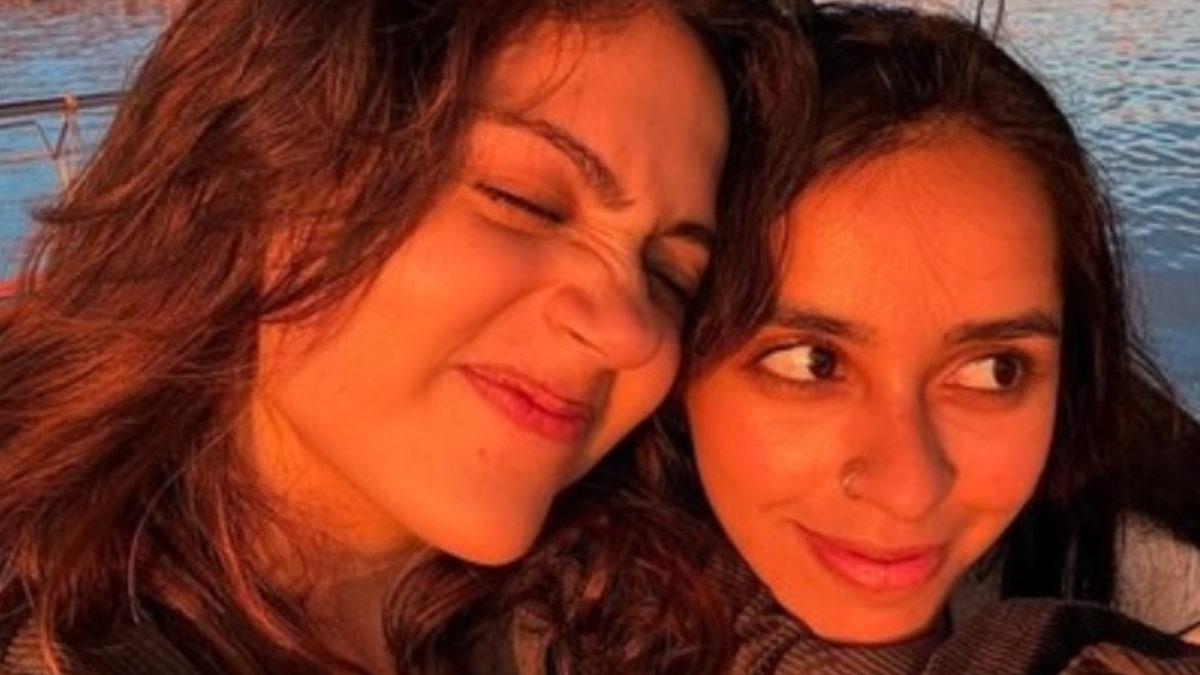
The fact that Reet Padda reportedly deleted her Instagram after being trolled for calling a film like Dhurandhar “propaganda” only underlines how quickly online disagreement now turns into intimidation. An opinion, however blunt or unpopular, should invite debate, not a pile-on strong enough to push someone off a platform entirely.
What’s more concerning is how this spilled over onto Aneet Padda. She became collateral in a controversy she didn’t create. This reflex to target people by association has become almost automatic online. It flattens basic distinctions between who said something and who simply happens to be related to them.
There’s also a growing intolerance for dissent in conversations around films like The Kerala Story and The Kashmir Files. These are already polarising subjects. But if calling a film “propaganda” leads to harassment intense enough to drive someone offline, it signals a space where disagreement is no longer being handled through argument, but through pressure.
At that point, the issue stops being about cinema or even about one person’s comment. It becomes about the environment we are creating, where expressing a view can carry disproportionate consequences, and where the backlash doesn’t stay contained to the individual who spoke.
Criticism is fair. Disagreement is necessary. But when the response crosses into sustained trolling and forces someone to retreat, it raises a basic question about proportion. If every opinion triggers this level of reaction, then the space for honest conversation shrinks, and what remains is not debate, but fear of saying the wrong thing.