
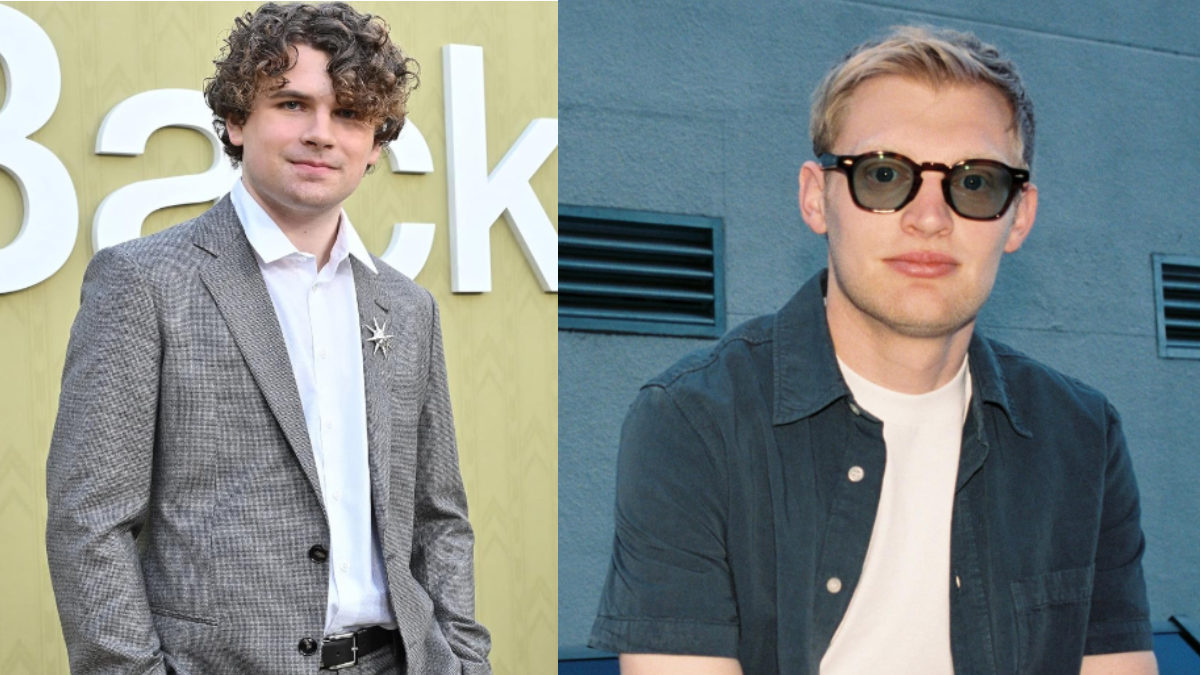
For decades, Hollywood’s biggest directors followed a familiar path. Film school, short films, studio meetings, and then, if everything went right, a shot at directing a feature. That formula is starting to change. A new wave of Gen Z filmmakers is proving that the road to Hollywood can begin with a YouTube channel instead of a film degree. Their low-budget movies are drawing crowds, earning critical attention, and competing with major studio releases, prompting many to wonder whether the next Steven Spielberg is already posting videos online.
The shift has become impossible to ignore after the success of filmmakers like Kane Parsons, Curry Barker, and Mark Fischbach, better known as Markiplier. Parsons, who first gained attention through his viral Backrooms videos on YouTube, turned the concept into a feature film that became one of the biggest surprise hits of the year. Barker’s psychological horror film Obsession followed a similar path, while Markiplier’s Iron Lung showed that internet creators can successfully make the jump to the big screen.
Unlike traditional Hollywood directors, these creators spent years building audiences online. They learned how to tell stories with limited budgets, experimented with visual effects, and received instant feedback from millions of viewers. By the time they made feature films, they already had dedicated fan communities eager to support their work.
Their success is also challenging another long-held belief that younger audiences only want sequels, superheroes, or familiar franchises. Original horror stories made by first-time filmmakers have become some of the biggest surprises at the box office this year, outperforming several expensive studio productions.
Industry observers believe this moment could reshape how Hollywood discovers talent. Instead of waiting for festivals or studio pitches, executives are increasingly looking at creators who have already mastered storytelling on digital platforms. The internet is no longer just a place to upload videos. For many aspiring filmmakers, it has become the world’s biggest audition room.
That doesn’t mean film schools or traditional filmmaking careers are disappearing. Rather, YouTube is becoming another legitimate training ground where directors can experiment, fail, improve, and build an audience before ever stepping onto a studio lot.
Whether any of these creators will eventually reach the legendary status of Steven Spielberg remains to be seen. But one thing is becoming increasingly clear: the next generation of Hollywood directors may not be discovered in a classroom or at Sundance. They might already be uploading their latest short film from a bedroom studio and finding millions of viewers with the click of a button.