
There’s a certain myth people like to believe about actors in India. That they were always meant for the screen. That they had connections, luck, or some clear path laid out in front of them. But if you look closely at how many well-known actors actually started, that idea falls apart pretty quickly.
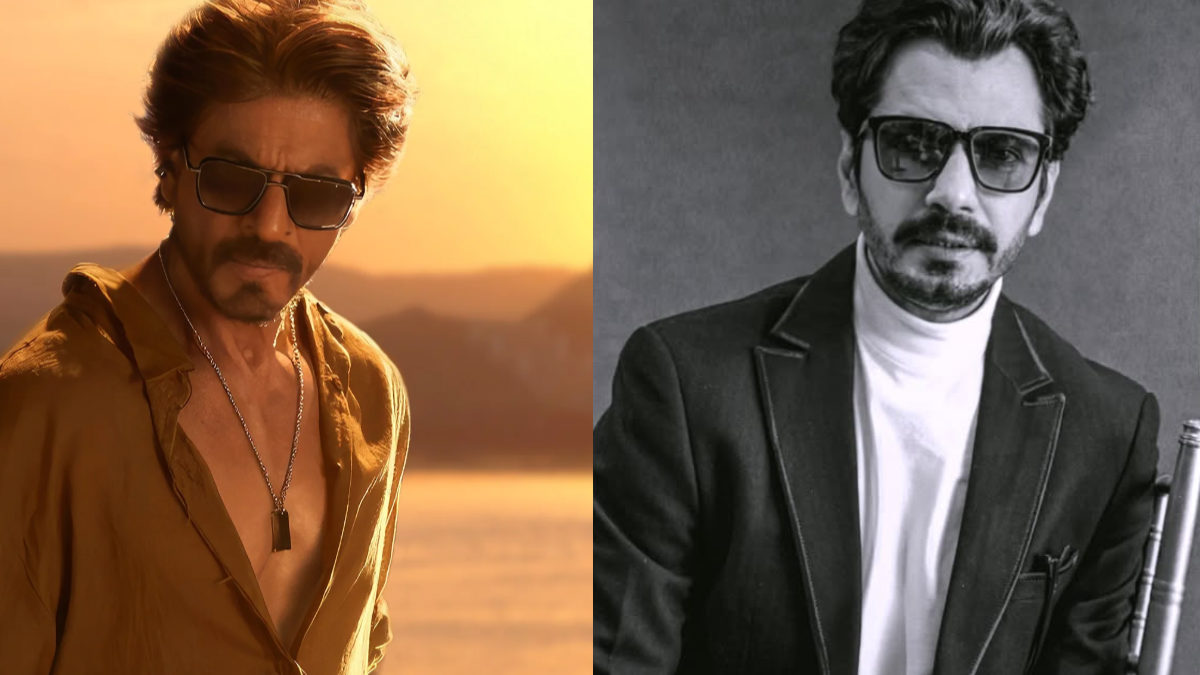
Take Shah Rukh Khan. Before he became one of the most recognizable faces in the world, he was just a young man in Delhi trying to figure things out. He spent time doing theatre, picked up small television roles, and even helped run a restaurant for a while. There was no grand entry plan into films. It was a mix of hustle, chance, and persistence.
Something similar shows up in the story of Rajinikanth, whose early life is almost hard to believe when you compare it to where he ended up. He worked as a bus conductor in Bangalore, a job that required long hours and routine. People who knew him back then often say his style and presence were already visible, just not on a film set.
Then there’s Nawazuddin Siddiqui, whose journey feels less like a straight line and more like a long detour. He worked as a chemist in a factory, then as a watchman in Delhi, all while trying to stay connected to theatre. For years, he took on roles so small they were barely noticed. His success didn’t come quickly, and when it did, it felt earned in a very different way.
Akshay Kumar’s story moves through a completely different world. He spent time in Bangkok working as a chef and waiter, learning discipline through physical work. Later, he taught martial arts in Mumbai. Acting wasn’t even the original plan. It entered his life almost by accident, through modeling.
In some cases, the shift to acting happens much later than people expect. Boman Irani worked as a waiter at the Taj Hotel, helped run a family bakery, and built a career as a photographer before stepping into films in his forties. By then, he had already lived several lives outside cinema.
For Johnny Lever, the starting point was the street. He sold pens in Mumbai, using mimicry to grab attention and make sales. Those performances, done out of necessity, slowly turned into something more. They became his training ground.
Pankaj Tripathi’s early years were just as grounded. He worked in a hotel kitchen and stayed close to theatre in whatever way he could. Acting came into focus gradually, not as a sudden decision but as something that kept pulling him back.
Even Smriti Irani, long before television fame and politics, worked at a fast-food counter while trying to find opportunities in Mumbai. And Arshad Warsi spent time selling cosmetics door-to-door and assisting in a photo lab before finding his footing in dance and eventually films.
What ties all of these stories together is not struggle for the sake of drama, but the absence of a clear starting point. None of these people began with the certainty that they would become actors. Most of them were simply working, earning, and trying to move forward in whatever way they could at the time.
It also changes how you look at success. For many of them, it didn’t arrive early. It took years of doing unrelated jobs, small roles, or things that had nothing to do with cinema on the surface. Acting, when it finally happened, was not a leap but a slow shift.
If anything, these journeys make the film industry feel less like a closed world and more like something people arrive at from all directions. Not always through the front door, and rarely in a straight line.