
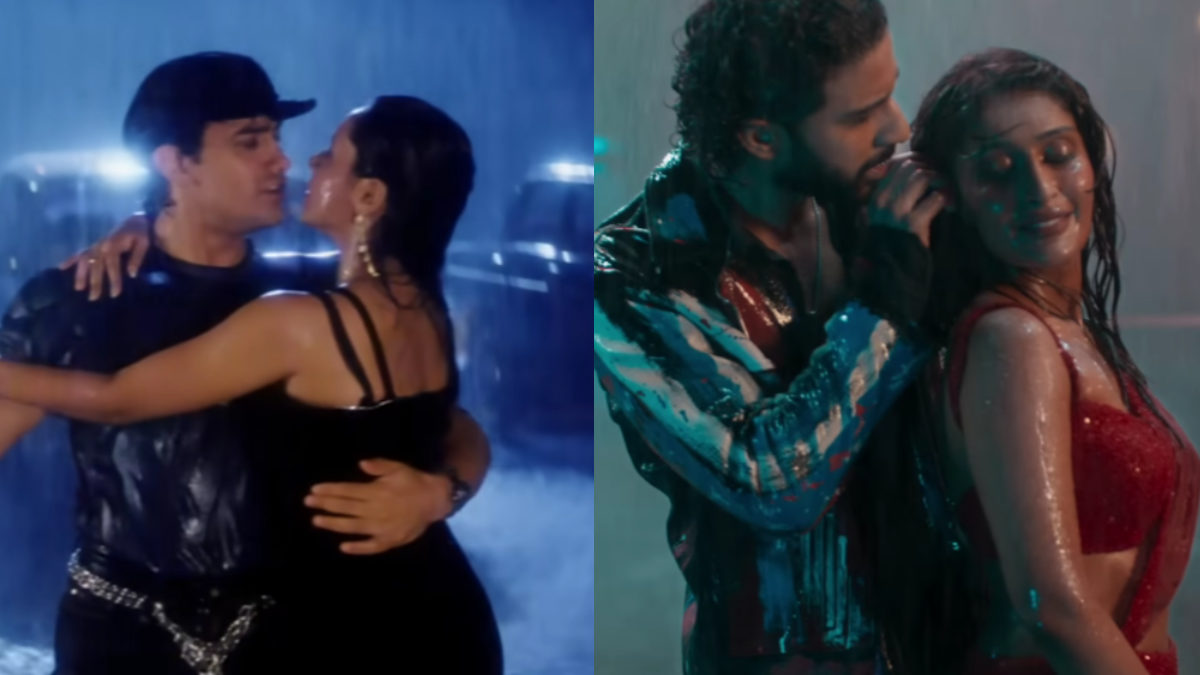
Veteran composer Jatin Pandit’s sharp criticism of Aankhon Se Tune 2.0 has once again brought Bollywood’s long-running remix debate back into the spotlight. Calling the recreation of his iconic composition akin to “adding yellow to a peacock’s feather,” Pandit questioned the need to alter songs that have already earned their place in cinematic history.
His remarks may have been directed at one recreated track, but the conversation they have sparked is much bigger than a single film or a single song.
Bollywood has spent the better part of the last decade walking a fine line between nostalgia and originality. Every few months, another beloved classic returns with a new arrangement, a younger cast and contemporary production. Sometimes these recreations find acceptance. More often, they divide audiences who grew up with the originals while leaving younger listeners wondering whether the new version truly offers anything they could not have discovered by revisiting the original.
Over the past two years, audiences have repeatedly demonstrated that they are more than willing to embrace original music. Whether it has been the soulful melodies of the releases in the recent past or memorable albums emerging from Telugu, Tamil and Malayalam cinema, fresh compositions have continued to dominate streaming platforms, social media and public playlists. The success of these soundtracks proves that originality is far from being a commercial risk.
This is also not the first time that respected voices from the industry have expressed discomfort over the trend. The backlash against Masakali 2.0 in 2020 became one of the defining moments in this conversation. Composer A.R. Rahman, lyricist Prasoon Joshi and singer Mohit Chauhan publicly distanced themselves from the recreated version, arguing that the original should have been left untouched. The episode forced the industry to confront an uncomfortable question about where nostalgia ends and creative dependence begins.
More recently, lyricist Javed Akhtar also voiced strong reservations about the growing culture of recreated songs while discussing Border 2, arguing that constantly revisiting old hits reflects a lack of confidence in creating new ones. His comments echoed a sentiment that has been quietly growing among many veteran creators who believe Bollywood possesses enough talent to write tomorrow’s classics instead of repeatedly revisiting yesterday’s.
Cinema has always reinvented literature, folklore, music and even its own classics. There have been instances where a recreated song has introduced an evergreen melody to an entirely new generation or served the narrative of a film effectively. Nostalgia, when handled with care, can become a powerful storytelling device.
The concern arises when recognition itself becomes the biggest creative strategy. A familiar tune offers instant recall. It generates conversations before a film even reaches theatres. It reduces marketing uncertainty because audiences already carry an emotional connection with the original. From a business perspective, the formula is understandable.
But cinema has never been built only on safe formulas. Every song that Bollywood celebrates as timeless today was once an original creation that carried no guarantee of success. Aankhon Se Tune, Masakali, Sandese Aate Hain, Tujhe Dekha To and countless others became cultural landmarks because composers, lyricists and filmmakers trusted fresh ideas instead of relying on familiar ones.
That is perhaps why Jatin Pandit’s peacock feather analogy has resonated so strongly. It is less about protecting one composition and more about preserving a creative philosophy. A peacock’s feather is admired because of its natural beauty, not because someone decided it needed another colour.
As Bollywood continues to chase younger audiences while banking on older memories, perhaps the industry needs to ask itself a simple question. If audiences are celebrating original soundtracks whenever they are given memorable music, why does the industry still believe that nostalgia is the safest route to success?
Let’s hope the next evergreen Bollywood classic will not emerge from another remix. It will emerge from a composer, lyricist and filmmaker willing to create something that future generations will one day refuse to see recreated.