
There was a time when politics in cinema didn’t need to shout. It was present, sometimes bold, sometimes uncomfortable, but rarely overpowering. Films like Aandhi and Kissa Kursi Ka engaged with power, leadership, and governance in ways that felt layered and interpretative. They didn’t hand you conclusions. They trusted you to arrive at your own.
Even later, films like Roja or Bombay brought politics into deeply personal spaces, blending conflict with emotion. The politics was strong, but it never drowned the human story. It stayed with you because it made you feel first, and think later.
Cut to today, and politics in cinema has changed its tone completely. It is no longer a layer within the story. It often is the story.
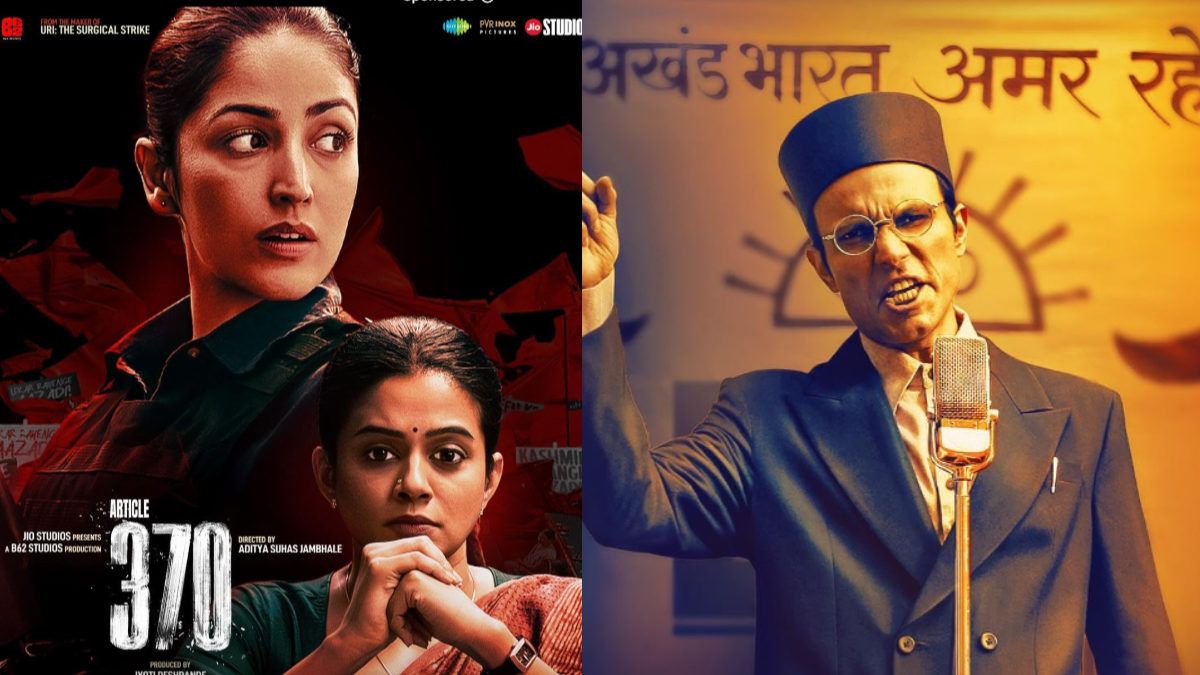
The Kashmir Files didn’t just tell a story, it ignited nationwide debates. The Kerala Story followed a similar path, becoming as much a talking point as a film. Article 370 turned a major political decision into a high-stakes cinematic narrative. Emergency revisited a controversial chapter in history, while Swatantrya Veer Savarkar attempted to reshape how a historical figure is viewed.
And now, films like Dhurandhar are pushing this even further. These are not just stories set against a political backdrop. These are films built around perception, power, and persuasion.
The key difference lies in how the audience is treated.
Earlier films opened a window. Today’s films often come with a viewpoint already framed. There’s less silence, less ambiguity. The space for interpretation feels narrower. Instead of asking questions, many films seem more interested in delivering answers.
And that shift is changing the audience experience.
A film release today is no longer just about storytelling or performances. It quickly becomes about positioning. What does this film stand for? Which side is it on? And where do I stand in relation to it?
That’s a very different relationship between cinema and its viewers.
Because cinema, at its finest, thrives on complexity. It invites you in, lets you sit with discomfort, and leaves you thinking long after the screen fades to black. But when storytelling starts leaning too heavily into messaging, something gets lost. The emotional connection weakens. The repeat value drops. And over time, fatigue sets in.
This isn’t to say political cinema is a problem. It never was. In fact, it has given us some of the most powerful films ever made.
The real question is about balance.
There’s a difference between a film that explores politics and a film that exists to assert it. Between storytelling that provokes thought and storytelling that prescribes it.
Right now, that line is becoming harder to see.
And maybe that’s where the concern lies. Not in the presence of politics in cinema, but in the possibility that cinema may slowly stop trusting its audience to think for itself.
Because the day that happens, the audience might just stop showing up to listen.