
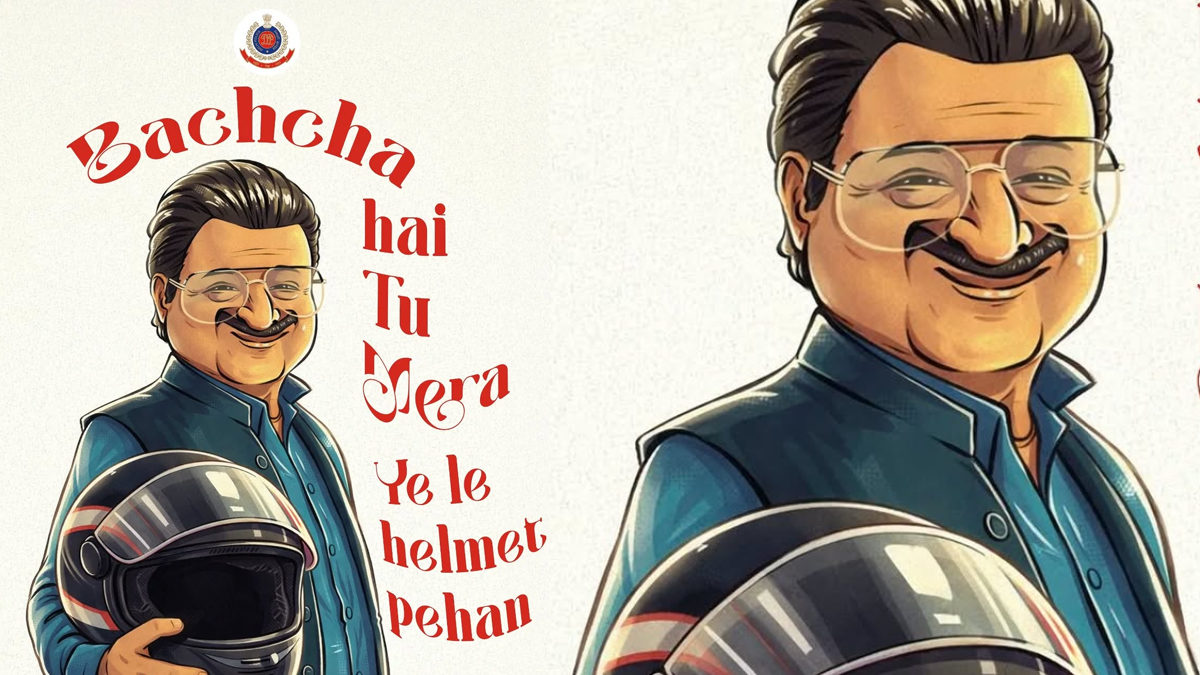
For the past few days, something oddly familiar has been showing up everywhere online. You scroll through X or Instagram and there it is again, a brand talking to you like an older cousin who thinks you still have a lot to learn. The line is simple, almost teasing, “Bachcha hai tu mera.” What began as a dialogue from Dhurandhar: The Revenge has quietly slipped out of the film and into everyday digital conversation.
What’s interesting is not just that people are repeating it, but who is repeating it. It’s not just meme pages or fan accounts. It’s serious names. India Post is using it to talk about life insurance. BSNL is using it to pitch network reliability. Food brands, travel platforms, cashback apps, even state tourism boards are speaking in the same voice. For a moment, it feels like the entire internet has agreed on a single tone.
At first glance, it looks like harmless fun. A popular film releases, a dialogue catches on, and brands join the party. But if you look a little closer, it says more about how communication has changed than about the film itself. There was a time when brands spoke carefully, almost formally, as if every word had to pass through layers of approval. Today, they are quick, reactive, and surprisingly casual. They are not waiting to be heard. They are trying to fit into conversations that are already happening.
The line works because of its attitude. It carries a mix of confidence and mischief. It suggests authority, but not in a heavy way. When a brand says it, it is not lecturing. It is nudging, almost jokingly telling you that you might be overthinking things and they have a simpler answer. That shift in tone is important. It lowers the distance between the brand and the audience. It makes a government service sound like a friend. It makes a telecom provider sound like someone giving street smart advice.
There is also a certain efficiency in it. In a few words, the brand manages to dismiss competitors, highlight its own strength, and stay entertaining. No long explanations, no technical jargon. Just a quick line that lands and moves on. In a crowded feed where attention lasts only a few seconds, that kind of compression is valuable.
What stands out even more is how quickly everyone moved. Trends like this do not wait. The early posts feel fresh and clever. The later ones begin to feel familiar, then predictable. That is the risk every brand takes when it joins a wave like this. Move too late and you are no longer part of the conversation, you are just repeating it.
And yet, brands continue to jump in, because the upside is hard to ignore. A single well timed post can reach more people than a carefully planned campaign. It can make a legacy institution feel current. It can bring a younger audience closer without spending heavily on advertising. In that sense, trends like this are less about creativity and more about timing and instinct.
There is another layer to this. When public sector names start using the same language as meme pages, it signals a quiet shift. The gap between formal communication and popular culture is shrinking. Institutions that once spoke in notices and circulars are now speaking in punchlines. It is not just about being trendy. It is about staying visible in a space where attention is constantly moving.
Of course, there is a limit to how long this can last. The more it is used, the less special it becomes. Audiences move on quickly, and what feels sharp today can feel overused tomorrow. That is the nature of internet culture. It builds fast and fades just as fast.
Still, for now, the line holds. It travels easily across industries, across tones, across audiences. It shows how a moment from a film can reshape how brands speak, at least for a while. And it reminds us of something simple. In today’s world, it is not always the biggest campaign that wins attention. Sometimes, it is just one line, delivered at the right time, in the right voice, that makes people stop scrolling.