
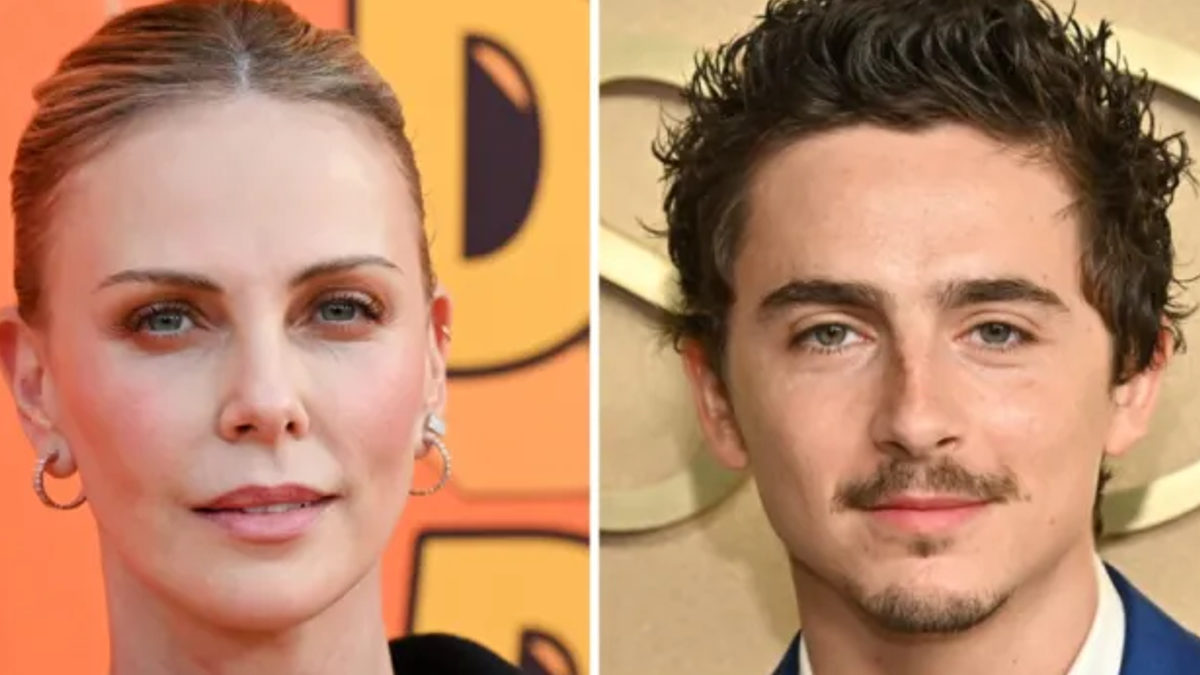
Charlize Theron is not holding back when it comes to defending traditional art forms. In a recent conversation, the actor pushed back against comments made by Timothée Chalamet regarding ballet and opera, calling his remarks “reckless” and emphasizing the importance of respecting all forms of artistic expression. The discussion began after Chalamet suggested that he would not want to work in fields like ballet or opera, implying that these art forms struggle because audiences no longer engage with them in the same way. While he clarified that he meant no disrespect, the comment quickly sparked conversation across the industry.
Theron, however, took a firm stance. Drawing from her own experience with dance, she highlighted the intense physical and mental discipline required in those fields. According to her, dancers are among the most resilient performers, enduring rigorous training and physical strain that often goes unseen by audiences.
She described dance as one of the most challenging things she has ever done, pointing out the extreme conditions performers push through, from injuries to relentless daily practice. For her, that level of dedication is something that deserves recognition, not dismissal.
What made her response even more striking was her take on the future of the industry. Theron acknowledged the growing role of artificial intelligence in entertainment, suggesting that in the coming years, AI could potentially replicate aspects of screen acting. However, she drew a clear line when it comes to live performance.
In her view, no matter how advanced technology becomes, it cannot replace the experience of watching a real person perform on stage. The immediacy, vulnerability, and physical presence of live art forms like ballet remain something uniquely human.
At the core of her argument is a broader point about artistic respect. Rather than comparing or diminishing different forms of expression, Theron emphasized the need to support and uplift them, especially those that may already be struggling to maintain visibility in a rapidly changing entertainment landscape.
The conversation reflects a larger debate currently unfolding in the industry, where technology, audience behavior, and traditional art forms are constantly intersecting. As AI continues to evolve, questions about creativity, authenticity, and the future of performance are becoming more urgent.
For now, Theron’s message is clear. Technology may transform the way stories are told, but it cannot replace the human experience at the heart of live art.