
For years, Hollywood has been obsessed with tech billionaires. We’ve had movies about Facebook, Apple, Theranos, Uber, WeWork, cryptocurrency collapses, startup scandals, and Silicon Valley’s biggest personalities. Studios know audiences are fascinated by the people shaping the digital world. Tech founders have become modern-day celebrities, often more influential than movie stars themselves. But there seems to be one unwritten rule. Hollywood is comfortable telling these stories when they’re history. It’s much harder when the people involved are still actively running some of the most powerful companies on Earth.
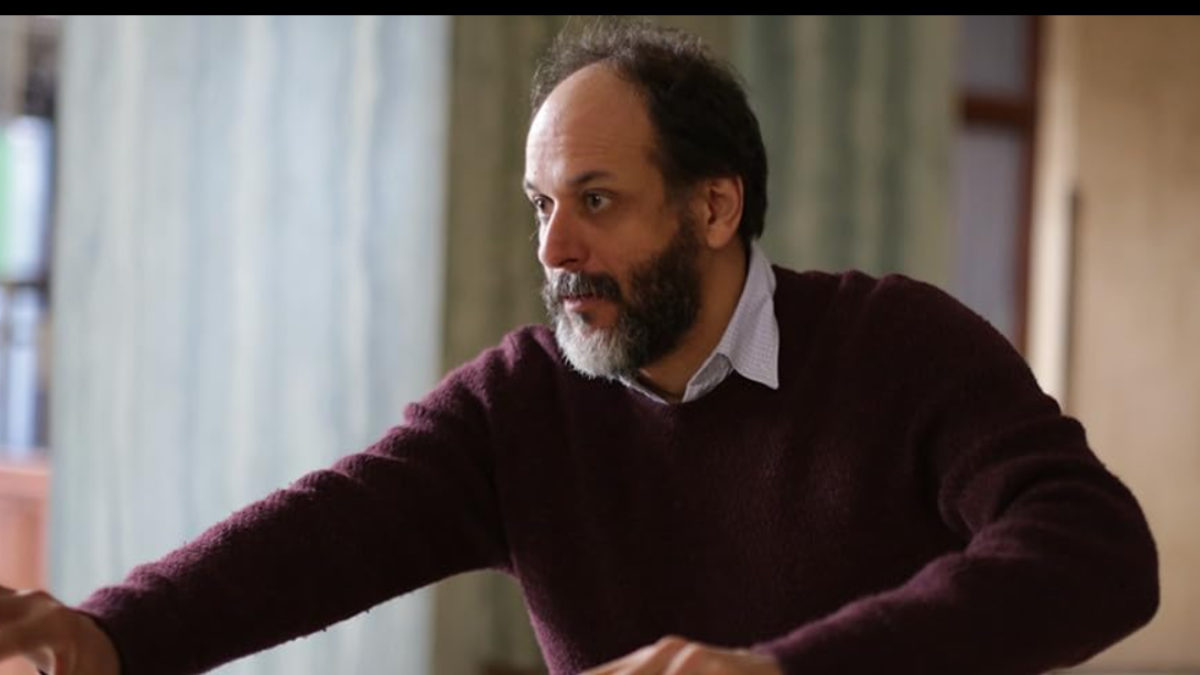
That is what makes the reported situation surrounding Luca Guadagnino’s upcoming Sam Altman film so interesting. According to reports, Amazon MGM has stepped away from the project, which explores the dramatic 2023 OpenAI leadership crisis that saw Altman briefly removed and then reinstated as CEO.
Officially, Amazon says the film may simply be better suited elsewhere. That explanation may be entirely true. Studios pass on projects all the time.
Still, the timing has inevitably sparked conversation.
Only months ago, Amazon announced a massive strategic partnership with OpenAI. The company has committed tens of billions of dollars to support OpenAI’s infrastructure and growth. At the same time, a film examining one of the most chaotic moments in OpenAI’s history is reportedly looking for a new distributor.
Whether the two developments are connected or not, they highlight a growing challenge for Hollywood.
The people shaping today’s biggest stories are no longer politicians, athletes, or traditional celebrities. They’re tech executives. And unlike historical figures, they’re still building companies, making deals, influencing markets, and sitting at the center of industries worth trillions of dollars.
That’s a much more complicated subject for filmmakers.
It’s one thing to make a movie about Facebook years after its rise. It’s another to release a movie about artificial intelligence while the AI race is actively unfolding in real time.
The bigger question isn’t whether this particular film finds a new home. It almost certainly will.
The interesting question is whether Hollywood is entering an era where some of the world’s most powerful people are simply too connected, too influential, and too economically important to be examined as freely as they once were.
Audiences have never been more interested in the people building the future.
The challenge for Hollywood is deciding how willing it is to tell those stories when the future hasn’t happened yet.