
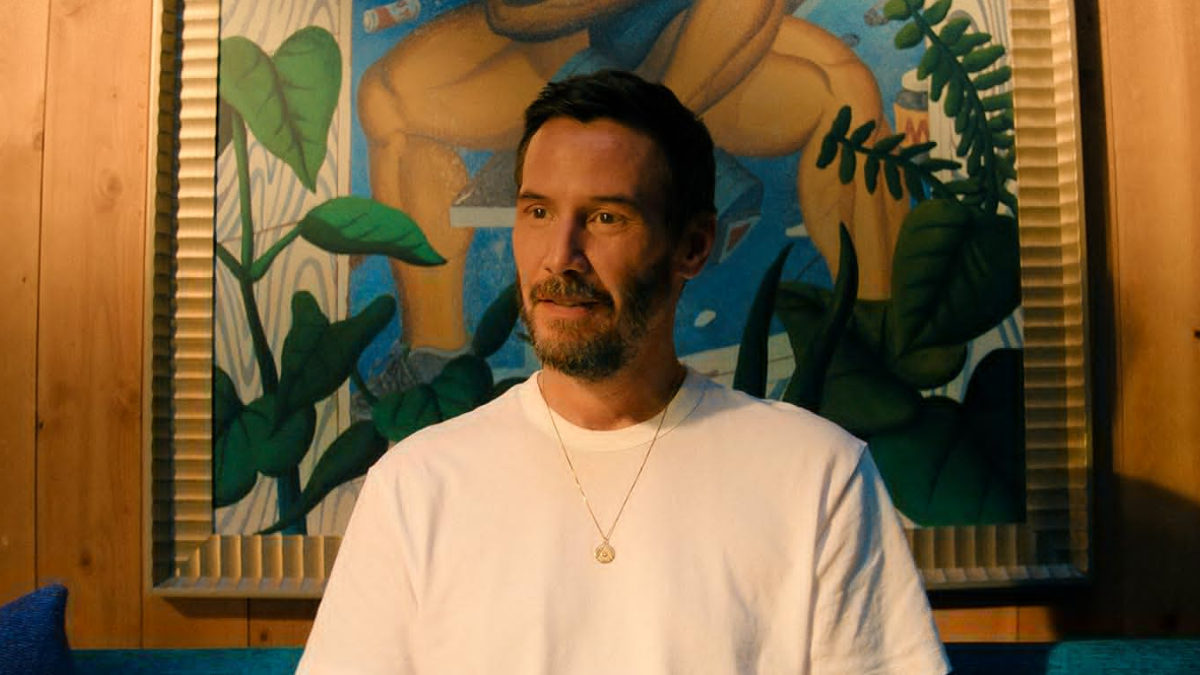
Director Carl Rinsch is heading to prison after being sentenced to 30 months for defrauding Netflix of $11 million, despite receiving a heartfelt letter of support from actor Keanu Reeves ahead of his sentencing. Rinsch, best known for directing the 2013 fantasy film 47 Ronin, was convicted in late 2025 on charges including wire fraud, money laundering and unlawful financial transactions connected to the never-completed Netflix sci-fi series White Horse. According to prosecutors, Netflix initially invested around $44 million into the ambitious project before providing Rinsch with an additional $11 million in 2020 after he claimed production required more funding. Instead of using the money to finish the series, authorities said the filmmaker transferred the funds into a personal account and spent lavishly on luxury purchases.
Court documents alleged that Rinsch used the money on high-end cars, designer watches, expensive clothing and extravagant household items, including more than $600,000 on mattresses alone.
During Monday’s sentencing hearing, Rinsch apologised to the court, admitting that his actions caused “real harm.” He also said he had been struggling with serious mental health issues and medication-related problems at the time, adding that he is now receiving treatment from a new healthcare provider.
However, U.S. District Judge Jed S. Rakoff ruled that while Rinsch’s mental health challenges may explain parts of his behaviour, they did not excuse what the court described as deliberate deception to obtain millions of dollars from Netflix.
Before the sentencing, Keanu Reeves submitted a letter asking the court to show “leniency and mercy.” Having worked with Rinsch on 47 Ronin, the actor described the filmmaker as “an exceptional artist” and a longtime friend.
Reeves acknowledged that Rinsch often sabotaged himself by constantly expanding projects beyond their original scope but made it clear he was not attempting to excuse the crimes. Instead, he hoped the court would consider Rinsch’s character alongside his mistakes.
“I hope you are able to find leniency for this man,” Reeves wrote, adding that compassion could be “a healing act” while still allowing justice to be served.
Prosecutors, however, argued that Rinsch’s actions were driven by “naked greed” rather than poor judgment alone. They noted that he had every opportunity for success, citing his privileged background, education, successful career and industry connections before requesting a five-year prison sentence.
Although Rinsch faced a theoretical maximum sentence of up to 90 years, the court ultimately imposed a 30-month prison term. He is expected to report to prison in September.
The case has become one of the most high-profile examples of alleged financial fraud involving a major streaming platform, bringing an abrupt end to White Horse, a project that never made it to audiences despite Netflix’s multimillion-dollar investment.