
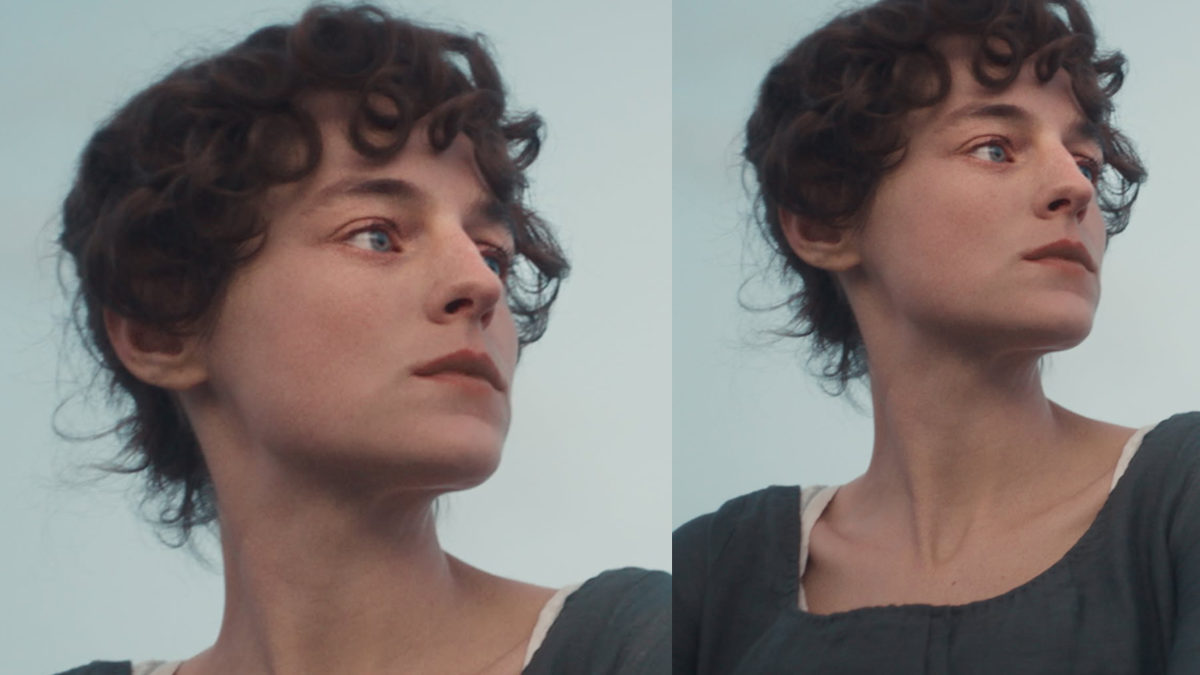
Netflix has officially unveiled the first teaser trailer for its upcoming Pride and Prejudice limited series, confirming a 2026 release window and instantly igniting one of the internet’s favorite debates. Do we really need another adaptation of Jane Austen’s most beloved novel?
The new series, written for the screen by bestselling author and columnist Dolly Alderton, promises a fresh interpretation of Austen’s classic story of love, class, misunderstanding, and emotional growth. The announcement alone was enough to send Austen fans into two very different camps. Some are curious about how a modern creative voice might reinterpret Elizabeth Bennet and Mr. Darcy for a new generation. Others are already calling it unnecessary, arguing that certain stories have already reached perfection on screen.
For many viewers, the 2005 Pride and Prejudice film starring Keira Knightley and Matthew Macfadyen is not just an adaptation. It is the adaptation. That version captured audiences with its atmospheric cinematography, emotionally restrained performances, and a Mr. Darcy portrayal that has become permanently embedded in romantic film history. The chemistry between Elizabeth and Darcy felt authentic, vulnerable, and timeless, turning the film into a comfort classic that fans revisit repeatedly. Because of that emotional attachment, any new version inevitably enters comparison territory before audiences even watch a single episode.
The fatigue surrounding remakes is not unique to Austen adaptations. Hollywood and streaming platforms are currently revisiting nearly every established intellectual property, from literary classics to fantasy franchises. Many fans feel studios are chasing familiarity instead of originality, constantly reinterpreting stories that audiences already love rather than creating new cultural landmarks. The reaction to Netflix’s announcement reflects that broader frustration. People are not rejecting Pride and Prejudice itself. They are questioning whether another version can possibly capture the same emotional magic.
At the same time, adaptation has always been central to Jane Austen’s legacy. Pride and Prejudice has been reimagined countless times across decades, including the beloved 1995 BBC miniseries, modern reinterpretations, and international retellings. Each generation tends to rediscover Austen through its own visual language and cultural perspective. What feels definitive to one audience often becomes a starting point for another.
The conversation also echoes reactions to other upcoming reboots, including the announced Harry Potter television series. The original films remain deeply iconic, shaping childhoods and defining an entire era of fantasy cinema. Yet studios continue returning to these stories because new formats allow deeper exploration of characters and themes that films sometimes compress. Whether audiences accept those reinterpretations depends less on necessity and more on execution.
Right now, the Netflix series exists in a strange emotional space. Fans are skeptical, protective, nostalgic, and secretly curious all at once. Many are declaring it a flop before release simply because their emotional loyalty belongs to earlier adaptations. Yet history shows that skepticism often accompanies every major reinterpretation before audiences eventually decide its place within the canon.
Perhaps the real reason debates around Pride and Prejudice never end is because the story itself refuses to age. Every generation believes its version is the definitive one. The 2005 film remains untouchable for many viewers, just as the 1995 series once felt unbeatable to audiences before it.
Whether Netflix’s 2026 series becomes iconic or simply another adaptation remains unknown. What is certain is that audiences will watch, compare, criticize, and ultimately decide if this retelling adds something meaningful or simply reminds us why we fell in love with the story the first time.