
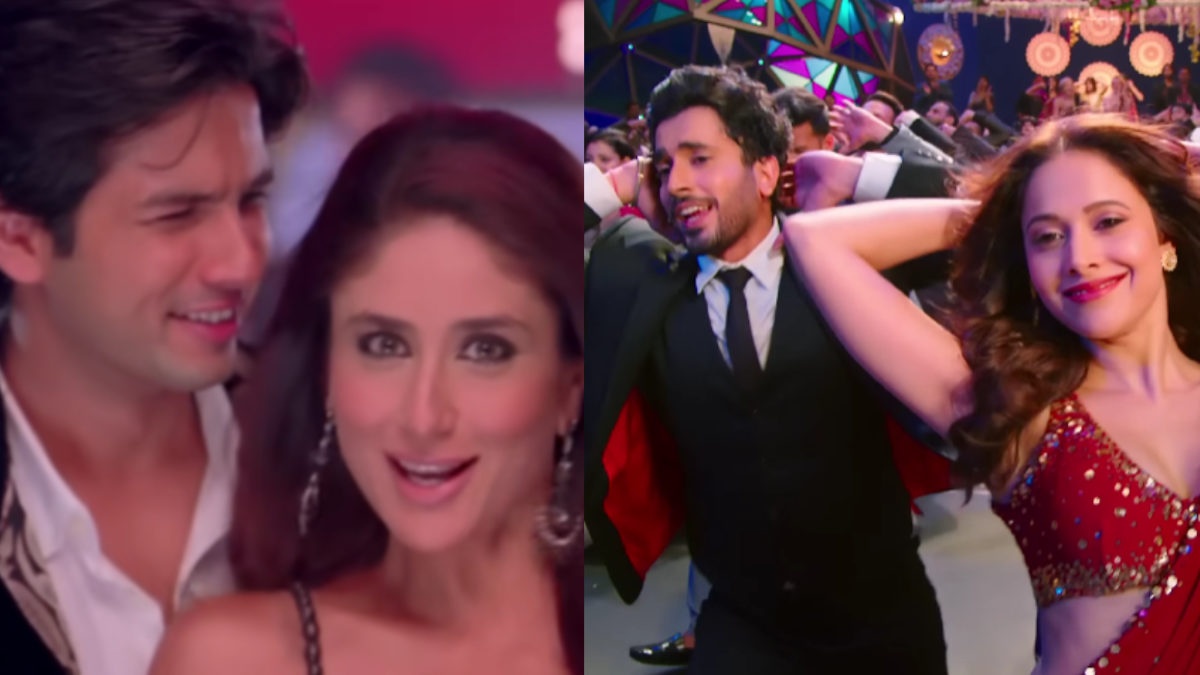
If you’ve been anywhere near an Indian wedding, club, gym playlist, or even a moving autorickshaw in the last decade, you may have noticed a curious pattern: almost every Bollywood dance number suddenly has a Punjabi hook. It’s become such a norm that nobody even questions it anymore. It’s like cheese on pizza — sure, you could make it without, but why would you?
Many years ago at a college fest, I remember the DJ playing Nagada Nagada from Jab We Met. Nobody knew all the words — some of us didn’t even know the meaning — but when the hook hit, everyone jumped like they suddenly understood fluent Punjabi. That’s the thing: Punjabi phonetics come with built-in energy. Say “Mauja hi mauja” out loud. Your mouth automatically prepares to dance. Now try the Hindi equivalent: “Khushi hi khushi.” Sounds like a state bank slogan.
Punjabi lines punch through music in a way Hindi often just doesn’t. Bollywood composers figured this out, and once they did, there was no going back. And where does Bollywood test all its so-called “dance anthems”? Clubs and weddings. Both places run on Punjabi beats like it’s oxygen.
I once attended a Mumbai wedding where the groom’s side was Marathi and the bride’s side was Gujarati. But the moment London Thumakda began, everyone — literally everyone — instinctively knew what to do. That song doesn’t even need instructions. It is the instruction. Punjabi lyrics have simply become India’s emotional shorthand for “Let’s celebrate.”
And then came the Honey Singh era, a cultural turning point no matter which side of the musical fence you sit on. When Angrezi Beat and Brown Rang dropped, it felt like someone injected Punjabi pop directly into Bollywood’s bloodstream. Soon, films were borrowing entire hooks and retrofitting them into Hindi songs. Remember Dil Chori in Sonu Ke Titu Ki Sweety? That movie practically whispered, “We’ll give you a plot later. First, here’s a Punjabi banger.” Producers started thinking in reverse: song first, story later — preferably with dhol.
Once the remix wave hit Bollywood, it found a ready-made treasure chest in Punjabi folk. Why compose new hooks when Punjabi folk already had so many brilliant, catchy ones lying around? Suddenly, a line from Punjab that’s been sung at weddings for decades was being polished, auto-tuned, and escorted into films like a VIP guest. Morni Banke in Badhaai Ho is the perfect example — people danced like it was composed that morning. In reality, that hook has been around since your uncle’s cassette collection.
The most interesting part? Punjabi has quietly become India’s unofficial party language without any campaign or effort. It didn’t arrive politically. It didn’t arrive through textbooks. It arrived through parties. A Tamil, Bengali, Maharashtrian, or Telugu teenager may not speak Punjabi, but they can scream “Suit suit karda” at 1 AM with total emotional clarity. Punjabi is Bollywood’s version of emojis — you don’t have to understand it to feel it.
Which brings us to today, where the recipe for a guaranteed Bollywood dance hit is comically predictable: Hindi verses, English attitude, Punjabi hook. The result is a track that somehow works in a Delhi baraat, a Goa club, a Jaipur sangeet, and a Bangalore brewery — all at once. The funny part? Many of these “Punjabi” hooks are written by teams in Mumbai offices who carefully select words that sound Punjabi enough for the masses.
Will Bollywood eventually move away from Punjabi hooks? Maybe. Trends evolve. Tamil rap could take over, Gujarati folk might have its comeback, or Hindi itself might wake up and demand its territory. But until then, don’t fight it. When the DJ drops that familiar Punjabi line, just raise your hands — because your body has already made its decision.