
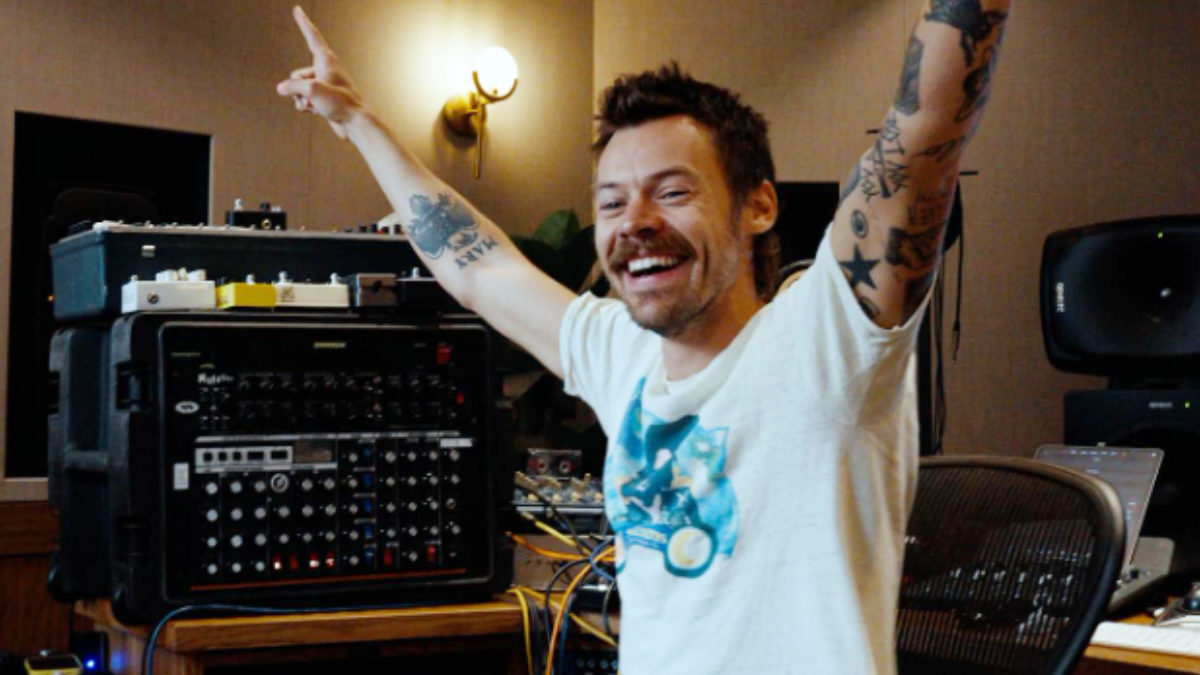
Harry Styles has stepped into a new sonic chapter with his fourth solo album, Kiss All the Time. Disco, Occasionally., a project that leans heavily into the communal and emotional energy of late-night dance floors. Known for evolving his musical identity with each release, the former One Direction star continues that pattern here, delivering a record shaped by the rhythm, atmosphere, and introspection often associated with club culture. Now 31, Styles has spent nearly half his life in the spotlight. His early fame began as the youngest member of the global boy band phenomenon One Direction, but over the years he has steadily carved out a distinctive solo career.
Each album has reflected a different phase of artistic exploration. His 2017 self-titled debut leaned into classic 1970s rock influences, while the widely praised Fine Line embraced breezy pop and emotional songwriting. His third album, Harry’s House, expanded his musical palette further and went on to win the Grammy for Album of the Year.
Following the massive success of Harry’s House, Styles took an extended break from the spotlight. During that time he reportedly spent time traveling and immersing himself in nightlife scenes across Europe. That experience appears to have shaped the tone of Kiss All the Time. Disco, Occasionally., which draws inspiration from the communal release and emotional intensity of club environments.
The album leans strongly into electro-pop textures, bass-driven rhythms, and shimmering production. Tracks such as “Are You Listening Yet?” explore darker electronic sounds, blending pulsing synths with introspective lyrics that feel like an internal dialogue. Meanwhile, the lead single “Aperture” offers a softer but emotionally charged moment, gradually building toward a euphoric release that encourages listeners to embrace vulnerability and openness.
Another standout track, “Dance No More,” combines funky grooves with sleek production, creating a song that feels equally suited for both the dance floor and late-night reflection. Throughout the album, Styles repeatedly returns to themes of connection, self-reflection, and the complicated emotional aftermath of relationships.
Despite its focus on nightlife and collective energy, the album carries a subtle undercurrent of melancholy. Several songs explore loneliness and the uncertainty that can linger even in moments of celebration. Tracks like “Coming Up Roses”and “Paint by Numbers” reflect on relationships that did not survive the test of time, while “The Waiting Game”examines patterns of romantic hesitation and emotional distance.
One of the album’s most striking moments arrives with “American Girls,” a dreamy pop track that captures a sense of longing as Styles reflects on watching friends settle into relationships while he remains somewhat on the outside. The song blends lush production with introspective storytelling, adding emotional depth to the otherwise energetic tone of the album.
Musically, the project suggests Styles has continued expanding his influences, drawing from artists known for blending indie electronics and experimental pop. At times the album echoes the nervous electronic pulse of LCD Soundsystem, while other moments carry the layered introspection often associated with alternative rock.
While the record celebrates the communal joy of dancing and shared experience, it remains somewhat elusive when it comes to revealing the personal details behind Styles’ life. The songs often lean toward universal emotions rather than deeply autobiographical storytelling, which may leave some listeners wishing for a more intimate glimpse into the artist behind the music.
Still, Kiss All the Time. Disco, Occasionally. shows Styles continuing to evolve as a pop artist willing to explore new textures and environments. Rather than repeating the formula that made Harry’s House such a massive success, he has opted for a more atmospheric and club-inspired sound that reflects both growth and experimentation.
Whether listeners come for the shimmering dance tracks or the reflective lyrics hidden beneath them, the album captures the emotional paradox of nightlife itself: the moment when joy, loneliness, connection, and self-discovery all coexist under the same flashing lights.