
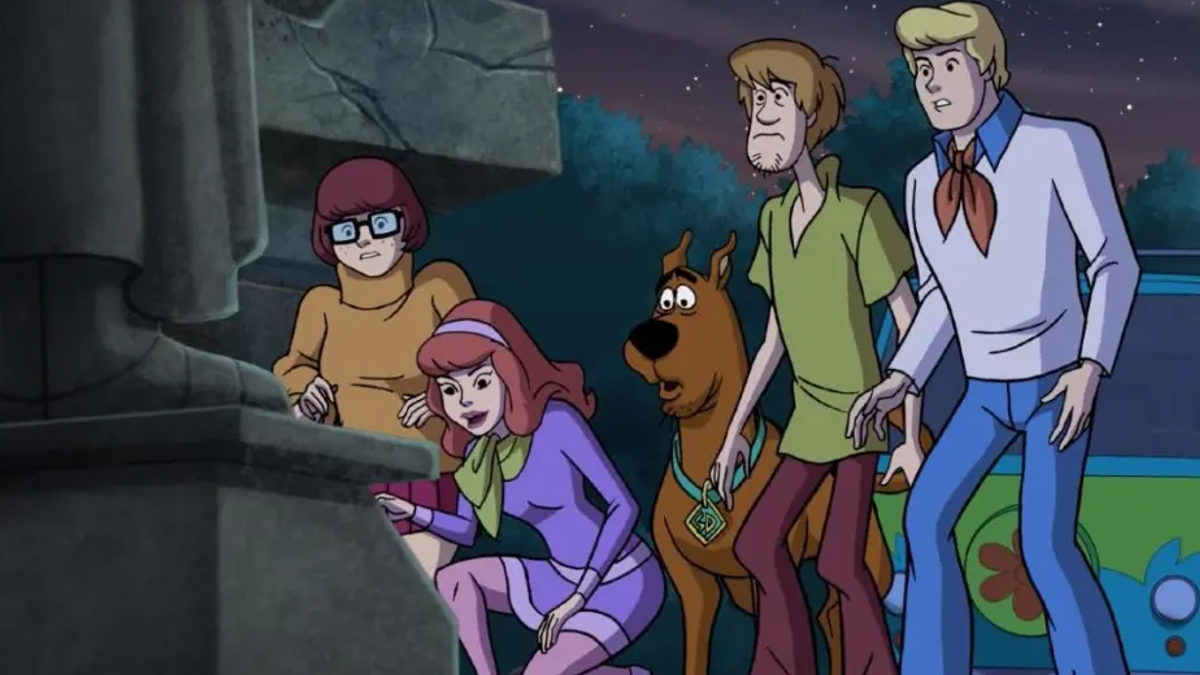
The world of classic animation has lost one of its most influential musical voices. Ted Nichols, the composer behind iconic shows like Scooby-Doo Where Are You and The Flintstones, has passed away at the age of 97. Nichols died on January 9 in hospice care in Auburn, Washington, after a long battle with Alzheimer’s, according to his family. Born Theodore Nicholas Sflotsos in 1928, Nichols’ journey into music began early. He started playing the violin at just 10 years old and later served in the U.S. Navy, performing in a swing band.
His deep connection to music continued through formal education and teaching roles, eventually leading him into the world of television and film scoring. His breakthrough came when he joined forces with legendary composer Hoyt Curtin at Hanna-Barbera. Together, they worked on Johnny Quest, before Nichols went on to become the studio’s primary musical director.
Over the years, his work shaped the sound of an entire generation of animation. From Space Ghost to Josie and the Pussycats, Nichols contributed to multiple beloved series. But it was his work on Scooby-Doo, Where Are You! that became especially defining, helping craft a lighter, more playful tone during a time when children’s programming was undergoing major shifts.
He also played a key role in The Flintstones, composing music for its final primetime season and the feature film The Man Called Flintstone. His ability to balance humor, suspense, and melody made his compositions instantly recognizable.
Beyond television, Nichols explored other creative avenues, including opera and gospel music. He also worked as a musical director for youth-focused initiatives, continuing to nurture talent long after his Hollywood years.
His legacy is not just in the shows he worked on, but in how those shows felt. His music helped define the emotional rhythm of Saturday morning cartoons, making them more engaging, accessible, and memorable for audiences worldwide.
Ted Nichols is survived by his children, grandchildren, and great-grandchildren. But for millions of viewers who grew up watching animated classics, his work remains timeless, continuing to echo through every mystery solved and every laugh shared.