
For decades, Bollywood was seen as the final destination for any Indian actor dreaming of nationwide fame. South Indian stars often crossed over to Hindi cinema because that was considered the biggest stage in the country. But today, the equation has completely changed. Now, many South superstars are openly saying no to Bollywood offers, and the reason is much bigger than money or ego. It is about confidence, identity, and the realization that success no longer depends on Mumbai alone.
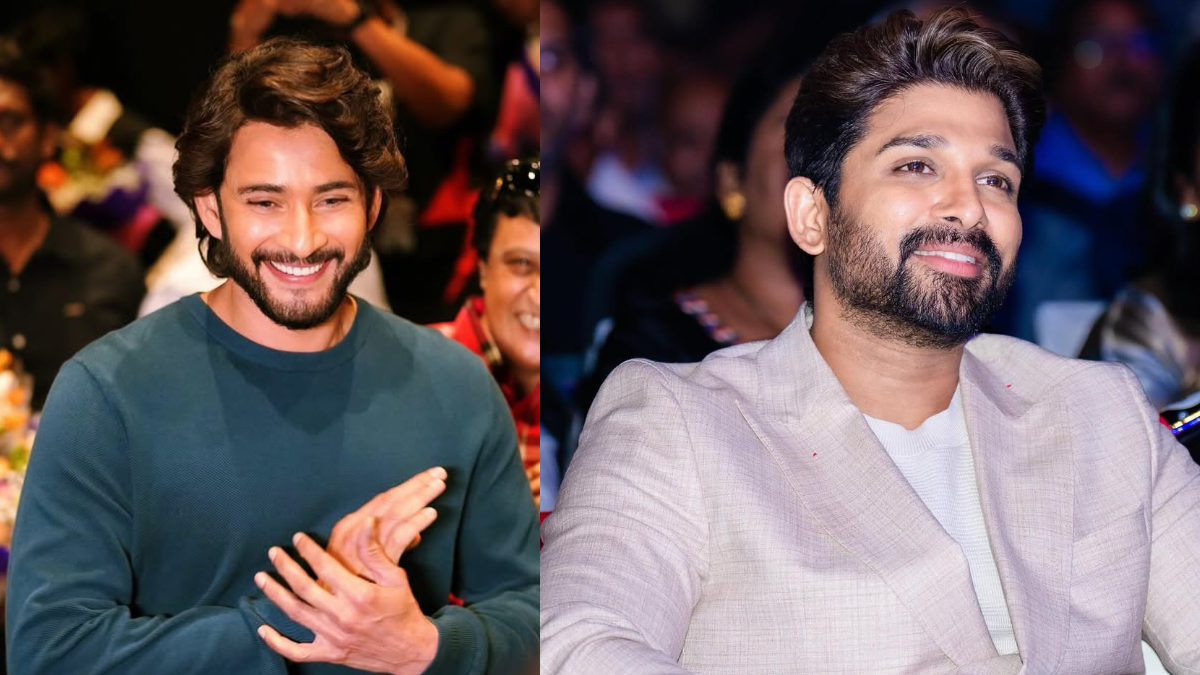
When Mahesh Babu said “Bollywood can’t afford me,” the statement created massive controversy. Many people saw it as arrogance. But if one looks closely, his point was actually about creative satisfaction and stature. He already enjoys superstardom in Telugu cinema, massive box office numbers, and complete creative backing. For stars like him, shifting to Bollywood is no longer an “upgrade.”
The same mindset can be seen with Allu Arjun. After Pushpa became a nationwide phenomenon, he no longer needs Bollywood validation. Hindi audiences are already watching his films in theatres and on streaming platforms. Reports of him declining Jawan and other Hindi projects show that South actors are becoming far more selective. They do not want token cameos or side roles anymore. If they enter Bollywood, they want to enter on their own terms.
Yash is another interesting example. After KGF, he became a pan India star without depending on Bollywood at all. Earlier, Hindi cinema was considered the gateway to national fame. Today, films from Kannada, Telugu, Tamil, and Malayalam industries themselves are becoming national events.
What is even more fascinating is that these actors are not rejecting Hindi audiences. They are rejecting the old idea that Bollywood sits at the top of Indian cinema. There is a huge difference between the two.
The rise of dubbed films, OTT platforms, and social media has changed audience behaviour completely. A viewer sitting in Delhi now watches Telugu and Malayalam films as naturally as Hindi films. Because of that, actors no longer feel pressured to relocate or reinvent themselves for Bollywood.
Another major factor is storytelling. Many South actors believe their home industries currently offer stronger hero driven cinema, deeper fan culture, and better respect for stardom. Several actors have quietly admitted through interviews over the years that they feel more creatively comfortable working with directors and writers who understand their cultural roots.
Ironically, Bollywood itself is now depending heavily on South filmmakers, South technicians, South remakes, and South stars to regain theatrical momentum. That would have sounded impossible fifteen years ago.
This does not mean Bollywood is finished. Hindi cinema still has unmatched global reach and enormous influence. But the power balance has changed. Indian cinema is no longer revolving around one industry.
The real story is not that South stars are rejecting Bollywood. The real story is that they no longer need Bollywood to become national icons.