
The most powerful people in entertainment aren’t always the celebrities. Sometimes, they’re the fans. A dedicated fanbase can turn an unknown artist into a superstar, sell out stadiums in minutes, break streaming records, dominate social media trends, and influence headlines across the world. But that power comes with a question that entertainment has become increasingly uncomfortable asking:
At what point does a fandom stop being a fanbase and start becoming a cult?
Let’s start with the positives.
At number five, we have Potterheads. More than two decades after the first Harry Potter book was released, the fandom remains one of the strongest in the world. Few franchises have maintained this level of cultural relevance across books, films, theme parks, merchandise, and multiple generations of fans.
At number four are Directioners. One Direction hasn’t released an album together in years, yet the fandom remains remarkably active. Every reunion rumor becomes global news. Every interaction between members becomes an internet event. The loyalty is genuinely impressive.
At number three are Beliebers. Long before stan culture became mainstream, Beliebers helped create the blueprint. They mastered fan pages, online campaigns, streaming parties, and social media mobilization before most artists even understood how powerful those tools could be.
At number two are Swifties. Taylor Swift fans have transformed fandom into a full-time hobby. They decode clues, analyze lyrics, track easter eggs, and support projects with unmatched dedication. In many ways, Swifties helped create the modern relationship between artist and audience.
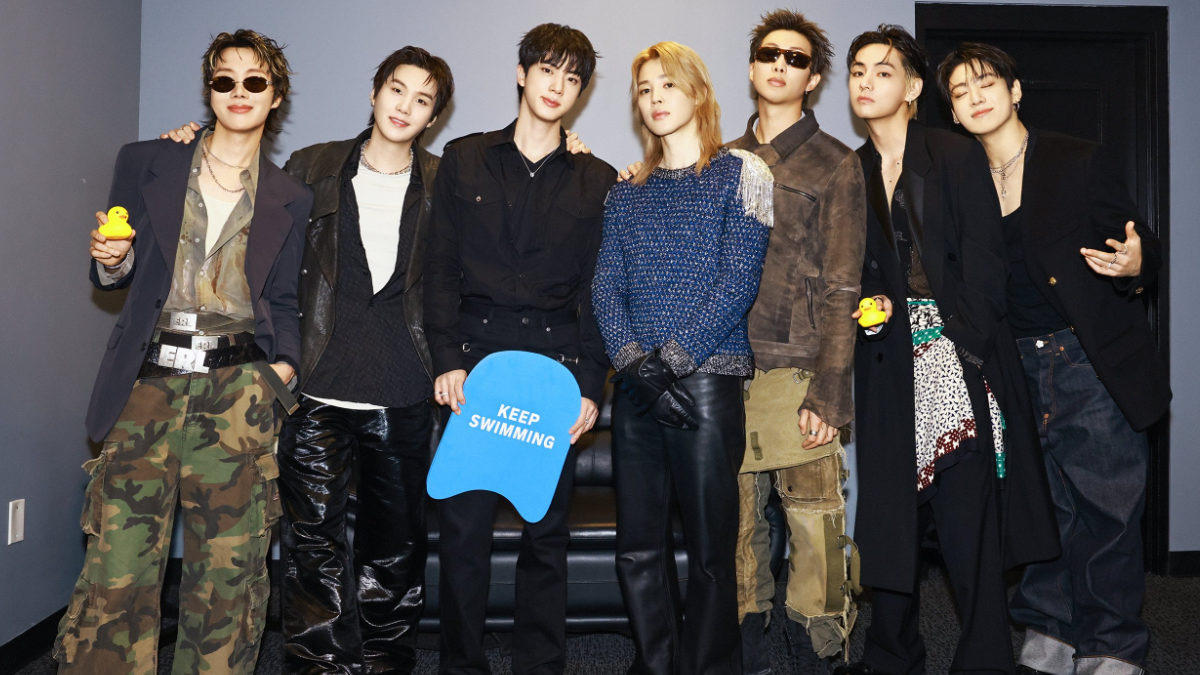
And at number one, it’s BTS ARMY.
No fanbase has demonstrated the same level of global organization. They have broken records, raised millions for charity, coordinated campaigns across continents, and repeatedly shown what happens when millions of people unite behind a shared cause.
But here’s where things get complicated.
The same passion that makes these fanbases powerful can also make them intimidating.
Criticize a Taylor Swift album and thousands of Swifties may appear in your mentions.
Question BTS and ARMY might spend days arguing with you online.
Suggest that Harry Potter isn’t your favorite fantasy series and Potterheads will prepare a 14-page presentation explaining why you’re wrong.
The internet has turned fandom from something people participated in into something people identify as.
For some fans, criticizing the celebrity feels personal. Disagreeing with an artist becomes equivalent to attacking a friend. And that’s where fandom starts becoming dangerous.
The goal of being a fan should be appreciation, not blind loyalty.
Because the truth is that celebrities are human.
They make mistakes. They release bad songs. They make questionable decisions.
And sometimes they’re simply wrong.
A healthy fanbase should be able to celebrate its favorite stars while still holding them accountable.
The strongest fandom isn’t the one that attacks every critic.
It’s the one that can handle criticism without treating it like a declaration of war.
Because admiration is healthy.
Obsession is not.
And in 2026, the line between the two has never been thinner.