
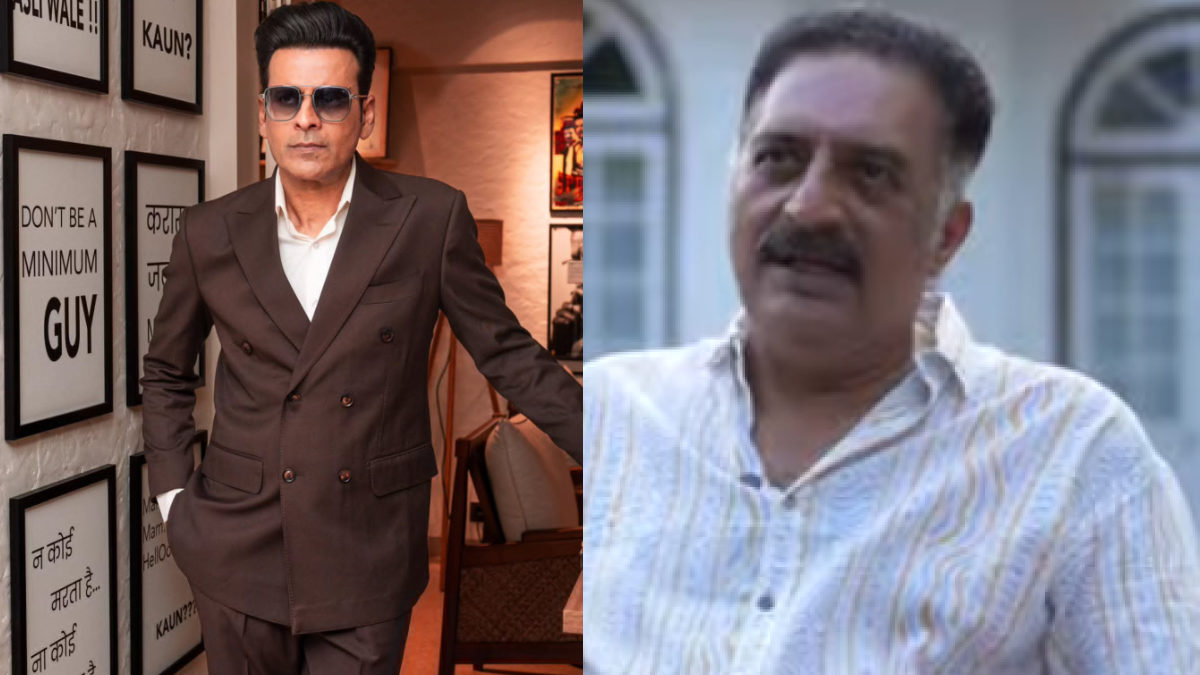
From dimly lit auditoriums to the big screen, these actors carried theatre with them and never quite left it behind. There’s a certain kind of performance you recognize instantly. It feels unforced. The pauses land. The silences speak. You’re not watching someone “act” — you’re watching someone be. In India, that instinct often comes from theatre.
Long before the camera rolls, before the vanity vans and retakes, there’s a stage. No cuts. No safety net. Just an audience that reacts in real time. Many of India’s most compelling film actors were shaped there, learning not just how to perform, but how to listen, adapt, and hold attention without distraction.
This is a look at some of those actors. Not as a checklist, but as stories of how the stage quietly built what we now see on screen.
Naseeruddin Shah — Still answering to the stage
Even after decades in cinema, Naseeruddin Shah keeps returning to theatre. Not out of nostalgia, but necessity. With Motley Productions, he continues to perform in intimate spaces, often for audiences small enough to see every flicker of expression. It’s a reminder that for him, theatre isn’t a stepping stone. It’s home base.
“Film captures a moment. Theatre lives and dies in front of you.”
Late Om Puri — A face shaped by the real world
Om Puri didn’t arrive polished. His early life was marked by struggle, and theatre became a way to channel it. At the National School of Drama, he developed a style that resisted glamour. His performances carried weight, not decoration. When he moved to film, that honesty stood out immediately.
“I never tried to look like a hero. I just tried to be truthful.”
Paresh Rawal — Timing you can’t fake
Before Hera Pheri made him a household name, Paresh Rawal had already spent years in Gujarati theatre. On stage, comedy is unforgiving. If a joke doesn’t land, you feel it immediately. That constant feedback sharpens instinct. By the time Rawal entered films, his timing was already razor sharp.
“The audience teaches you faster than any acting school.”
Late Irrfan Khan — The power of holding back
At NSD, Irrfan Khan wasn’t the loudest voice in the room. He watched. He absorbed. That quiet observation became his signature. On screen, he rarely overplayed a moment. He let it sit. Let it breathe.
“Sometimes the most powerful thing you can do is nothing.”
Manoj Bajpayee — Rejection as training
Manoj Bajpayee’s path wasn’t straightforward. He was rejected by NSD multiple times. Instead of walking away, he stayed with theatre. Trained under Barry John. Kept working. That persistence built the foundation for everything that followed.
“The struggle wasn’t separate from the craft. It was the craft.”
Nawazuddin Siddiqui — Learning to wait
For years, Nawazuddin Siddiqui worked in theatre and took on roles so small they barely registered. But theatre has its own timeline. You keep showing up, whether anyone is watching or not. When his moment came, he was ready.
“No one notices you… until they can’t ignore you.”
Pankaj Tripathi — Roots that stay visible
Pankaj Tripathi’s first performances weren’t in cities, but in village plays during festivals. That grounding never left him. Even today, his characters carry a familiarity that feels lived-in, not performed.
“I don’t invent characters. I recognize them.”
Late Amrish Puri — A voice built for the last row
Before becoming one of cinema’s most iconic villains, Amrish Puri spent years in theatre. Stage acting demands projection. Not just loudness, but clarity and control. His voice, later so recognizable in films, was trained to reach the last row.
“If the last person in the hall believes you, you’ve done your job.”
Ratna Pathak Shah — Never leaving the stage
For some actors, theatre is where they begin. For Ratna Pathak Shah, it’s where she continues. Even with a successful screen career, she regularly returns to live performance. Not out of obligation, but choice.
“Theatre keeps you honest. It doesn’t let you hide.”
Jaideep Ahlawat — The discipline of stillness
Trained at NSD, Jaideep Ahlawat brings a kind of control that’s easy to miss if you’re not looking for it. He knows when not to move. When not to speak. That restraint, learned on stage, gives his performances weight.
“Silence isn’t empty. It’s loaded.”
Seema Pahwa — Learning every corner of the craft
Seema Pahwa’s theatre journey wasn’t limited to acting. It involved understanding the entire ecosystem. Backstage work, ensemble dynamics, timing — all of it fed into her screen performances later.
“Theatre teaches you that no role exists alone.”
Gajraj Rao — Taking the long route
Some careers peak early. Others take their time. Gajraj Rao spent years in theatre and small roles before finding widespread recognition. When it arrived, it felt earned, not sudden.
“There’s no late. There’s only ready.”
Prakash Raj — One stage, many languages
Starting in theatre, Prakash Raj learned to adapt across languages and styles early on. That flexibility carried into his film career, where he moved seamlessly between industries.
“The language changes. The emotion doesn’t.”
Manav Kaul — Writing the performance
Manav Kaul’s theatre work goes beyond acting. He writes and directs, shaping stories from the ground up. That perspective shows in his screen work. His performances feel constructed from within, not applied from outside.
“When you understand the story, the acting follows.”
Cinema may have given these actors reach, but theatre gave them depth. And if you look closely, you can still see it. In the pauses. In the silences. In the way they hold a moment just a second longer than expected.
That’s not something you learn on a set. That comes from the stage.