
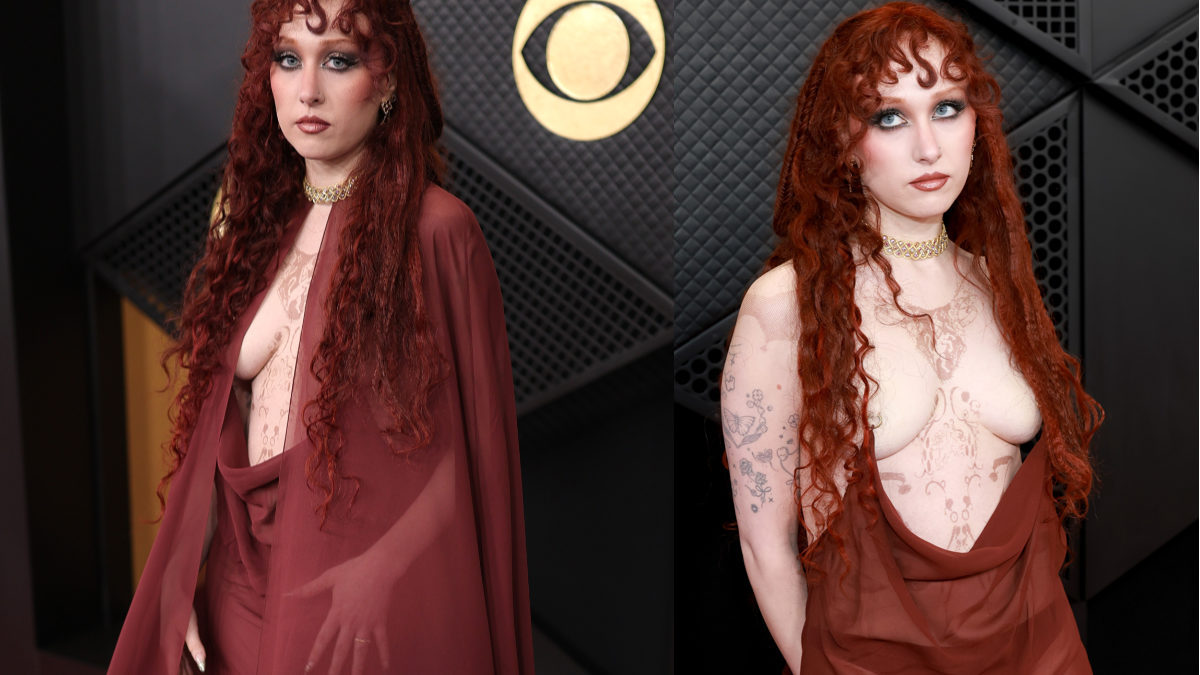
Singer Chappell Roan has announced that she is no longer represented by the Wasserman talent agency, explaining that the decision was guided by her personal values and the standards she expects from the teams she works with.
In a statement shared publicly, Roan said that no artist, agent, or employee should ever be expected to defend or overlook actions that conflict deeply with their moral beliefs. She emphasized that representation in the entertainment industry should be built on trust, safety, and dignity, and that meaningful change requires accountability from leadership.
Her announcement comes at a time when the entertainment industry has been facing renewed conversations about ethics and responsibility, particularly following media reports and public discussions around figures connected to the Jeffrey Epstein case. Roan did not focus on speculation but instead framed her decision as a personal and professional choice about the environment she wants to be part of.
Roan also made it clear that her decision was not directed at the hardworking agents and staff who support artists daily. She expressed appreciation for those individuals, while drawing a distinction between the work of many professionals and the leadership decisions that ultimately shape an agency’s culture and reputation.
The move reflects a broader shift happening across music and film, where artists are increasingly treating their business relationships as extensions of their identity and values. Fans today are paying closer attention not only to the art but also to the systems and partnerships behind it.
Online reactions to Roan’s statement were largely supportive, with many fans praising her for standing by her principles. Others noted that it is still relatively uncommon for artists, particularly those in the middle of a fast-rising career, to publicly step away from major representation on ethical grounds.
Chappell Roan, known for her theatrical pop style and rapidly growing fanbase, has built her career on authenticity and bold self-expression. This decision, in many ways, continues that pattern. Rather than staying silent, she chose to draw a clear boundary about what she expects from the people and institutions she works with.
Whether this moment leads to wider conversations inside the music industry remains to be seen, but one thing is clear: for Chappell Roan, representation is not just about career strategy. It is about values, accountability, and the kind of industry she wants to help shape.