
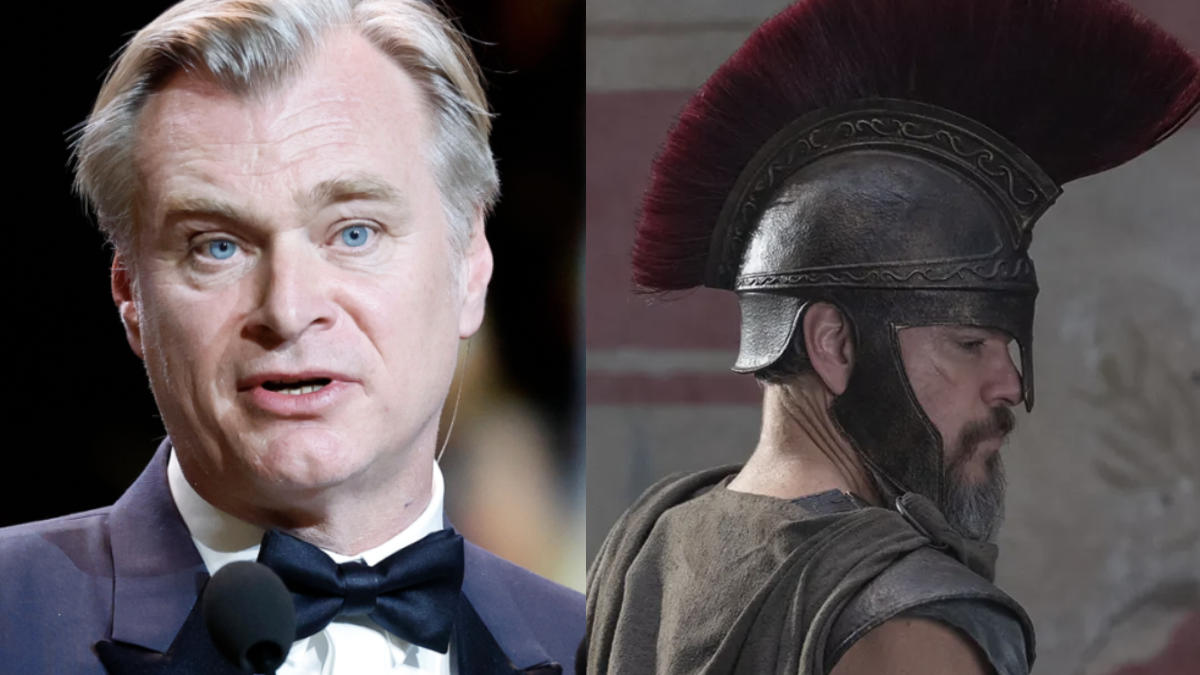
Christopher Nolan is balancing two monumental roles — directing his ambitious adaptation of Homer’s The Odyssey and leading Hollywood through one of its most uncertain periods as president of the Directors Guild of America (DGA). Since being elected in September 2025, Nolan has taken charge of representing nearly 20,000 directors and production professionals at a time he describes as deeply concerning for the entertainment industry.
In his first major interview as DGA president, Nolan highlighted several challenges affecting filmmakers, including declining employment opportunities, the rapid rise of artificial intelligence, and potential consolidation among major studios. One major concern is the proposed acquisition of Warner Bros. by either Netflix or Paramount, a deal that could significantly alter the streaming landscape and impact traditional theatrical releases. Nolan emphasized that losing a major studio would represent a serious setback for the industry.
The DGA is preparing to enter contract negotiations with major studios this spring, with the current agreement set to expire on June 30, just weeks before The Odyssey is scheduled for release. Nolan identified the guild’s main priorities as protecting jobs, regulating AI’s role in production, safeguarding healthcare funding, and preserving the theatrical movie experience. He expressed frustration over the growing gap between strong consumer demand for entertainment and declining employment rates within the industry.
Nolan also addressed broader policy discussions, including proposed tariffs on films produced overseas. While avoiding political commentary, he noted that such proposals have sparked increased conversations among studios about strengthening domestic film production.
The potential Warner Bros. acquisition has created widespread anxiety, particularly among television and streaming professionals who fear job losses and content consolidation. Nolan stressed that the impact on television and streaming workers could be even more significant than the effect on theatrical distribution. Both Netflix and Paramount have discussed their plans with the DGA, offering commitments such as maintaining theatrical release windows and increasing film production output. However, Nolan warned that verbal assurances alone are insufficient without clear long-term guarantees.
Employment declines remain a major issue. Despite consistent global demand for entertainment content, DGA members have experienced a reported 35 to 40 percent drop in job opportunities. Nolan questioned how such a decline could occur while audience spending remains stable.
Artificial intelligence presents another complex challenge. As studios explore AI-driven content creation, the DGA aims to ensure the technology does not compromise creative control or reduce compensation for professionals. Nolan compared the issue to past industry battles, such as opposition to colorizing classic films, framing it as part of an ongoing effort to protect artistic integrity.
Nolan also raised concerns about evolving viewing habits, particularly the rise of ad-supported streaming platforms that interrupt films with commercial breaks. He noted that this shift resembles television viewing experiences from decades ago.
As negotiations approach, Nolan stressed the guild’s responsibility to balance technological innovation with protecting creative workers, ensuring progress does not come at the expense of industry professionals.