
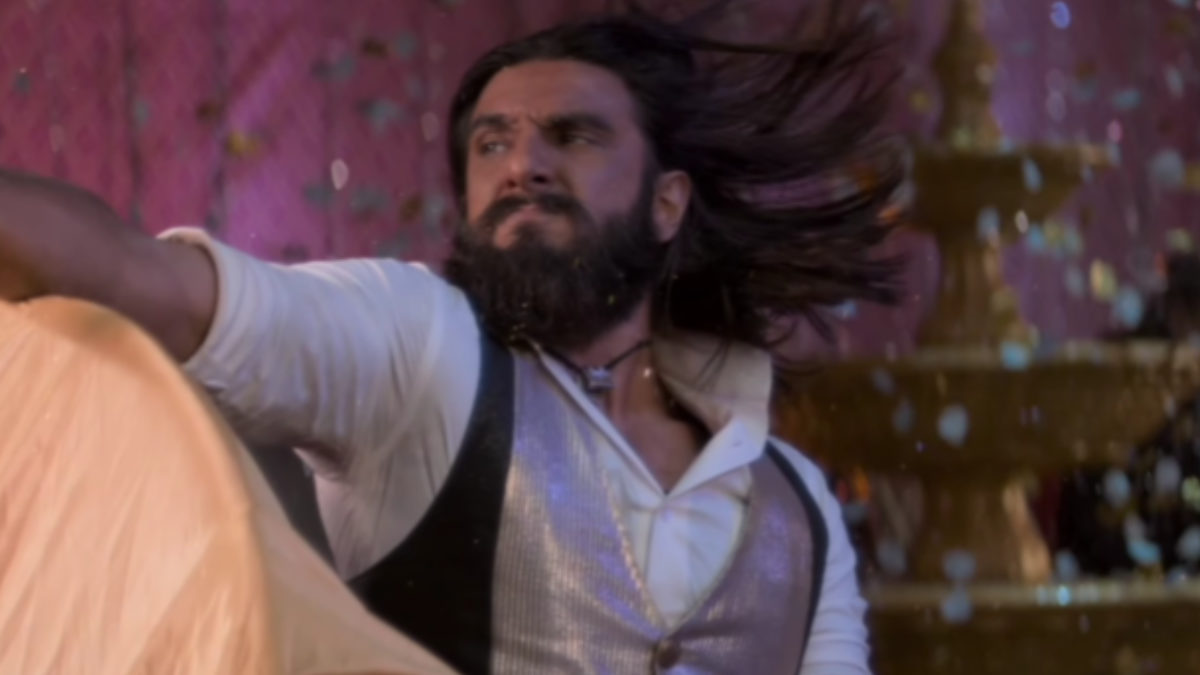
When Dhurandhar premiered on Netflix, it was expected to enjoy a second life—perhaps even a more expansive one—after its long and intense theatrical run. Instead, its arrival on OTT has triggered a quiet but persistent question among viewers – why does the streaming version feel shorter than what audiences watched in cinemas?
Those who saw Dhurandhar on the big screen were quick to notice that the Netflix version lists a slightly reduced runtime, reportedly shorter by around eight to ten minutes. On paper, this difference may appear insignificant. In reality, for a film that thrives on prolonged conversations, simmering tension, and carefully staged confrontations, even a few missing minutes can alter the rhythm of the narrative. Viewers began comparing memories, scenes, and even pauses, trying to locate what exactly was missing—or changed.
What adds to the uncertainty is the absence of an official clarification from either the filmmakers or Netflix. In this silence, speculation has naturally taken over. Some viewers believe that certain exchanges have been trimmed, while others have pointed to muted or softened audio, particularly around strong language, as evidence that the OTT version has been moderated. Even when visuals remain intact, changes in sound design or dialogue delivery can significantly affect how a scene lands emotionally.
There is also a more technical explanation being discussed within industry circles. Differences in encoding standards and frame rates between theatrical projection and streaming platforms have, in the past, resulted in slight variations in listed runtimes. Such discrepancies are not always the result of deliberate cuts. However, for viewers watching closely, the distinction between a technical adjustment and a creative edit becomes blurred when the experience itself feels altered.
The larger issue, however, lies in evolving audience expectations. Over time, OTT platforms have conditioned viewers to believe that streaming releases—especially of adult-certified films—will be unfiltered and uncompromised. When a film like Dhurandhar, known for its intensity and sharp dialogue, appears even marginally restrained on OTT, it creates a sense of disconnect. The expectation of an “uncut” digital version clashes with the perception of moderation, whether real or assumed.
This situation reflects a broader pattern within the industry. As films move across formats—from theatres to streaming platforms—they often exist in multiple versions shaped by technical requirements, platform policies, and regional considerations. What remains missing, however, is transparent communication. In the absence of clear explanations, audiences are left to draw their own conclusions, and minor differences risk becoming major talking points.
As of now, there is no confirmed evidence that Dhurandhar has been substantially edited for its Netflix release. What is certain is that its shorter runtime and perceived changes have sparked a conversation that goes beyond this one film. In the streaming era, viewers are increasingly alert, comparative, and vocal. A few minutes here or there are no longer just a technical detail—they become part of the story itself.