
One of the most celebrated plays to emerge from the subcontinent’s literary landscape, Jis Lahore Nai Vekhya O Jamya E Nai, is finally making its way to the big screen—three decades after it first captured audiences with its deeply human portrayal of Partition.
Written in 1989 by noted academic and playwright Asghar Wajahat, the play is set in Lahore during the turbulent days following the Partition of India. At its heart lies the poignant story of an elderly Hindu woman—affectionately called Mai—who refuses to leave her home in Lahore even after the newly drawn borders divide the subcontinent. Through her quiet defiance and humanity, the narrative explores the emotional complexities, loss and lingering bonds of a time that reshaped millions of lives.
The journey from stage to screen has been unusually long and layered.
Veteran filmmaker Govind Nihalani had originally acquired the film rights to adapt the play. However, when director Rajkumar Santoshi encountered the material and expressed a strong desire to bring the story to cinema, Nihalani made a remarkable gesture. He invited Asghar Wajahat to Mumbai and graciously passed the adaptation rights on to Santoshi, enabling the project to move forward under his direction.
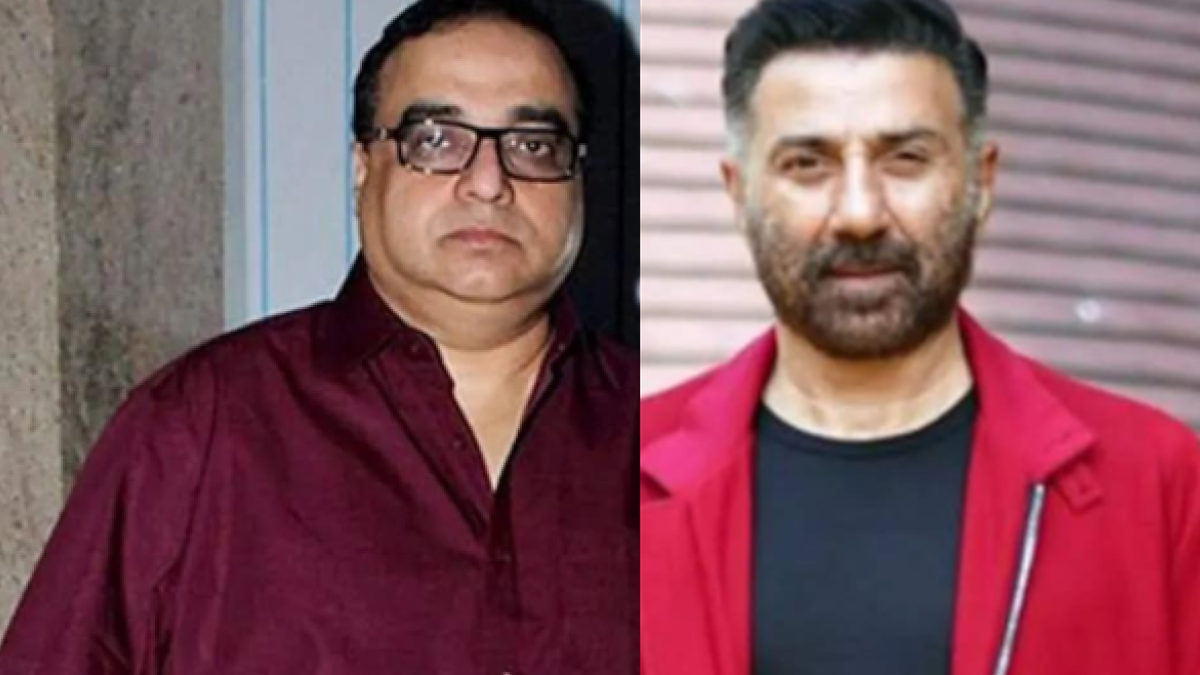
For Santoshi, the film has been a passion project many years in the making. The director had long envisioned Sunny Deol in the lead role and waited over a decade for the right circumstances to materialise. That moment arrived when Aamir Khan stepped in as producer, backing the long-gestating project and placing his faith in the Santoshi–Deol combination.
The film, now retitled (BATWARA 1947) for its theatrical release, is scheduled to arrive in cinemas over the upcoming Independence Day weekend, positioning it within a historically resonant window for audiences.
Santoshi’s connection to the project also carries a personal and professional echo from his early years in cinema. Before establishing himself as a director, he trained under Govind Nihalani and worked as an assistant on several of the filmmaker’s important films, including Vijeta (1982), the landmark crime drama Ardh Satya (1983), and the social drama Party (1984), where he served as chief assistant director. He later worked as associate director on Aghaat (1985).
Those formative years would eventually lead Santoshi to his own breakthrough with Ghayal (1990), a major commercial success that established him as one of the most powerful filmmakers of his generation.
With the cinematic adaptation of Jis Lahore Nai Vekhya O Jamya E Nai, Santoshi now returns to a story rooted in history, memory and shared humanity—bringing to screen a narrative that has endured on stage for decades.