
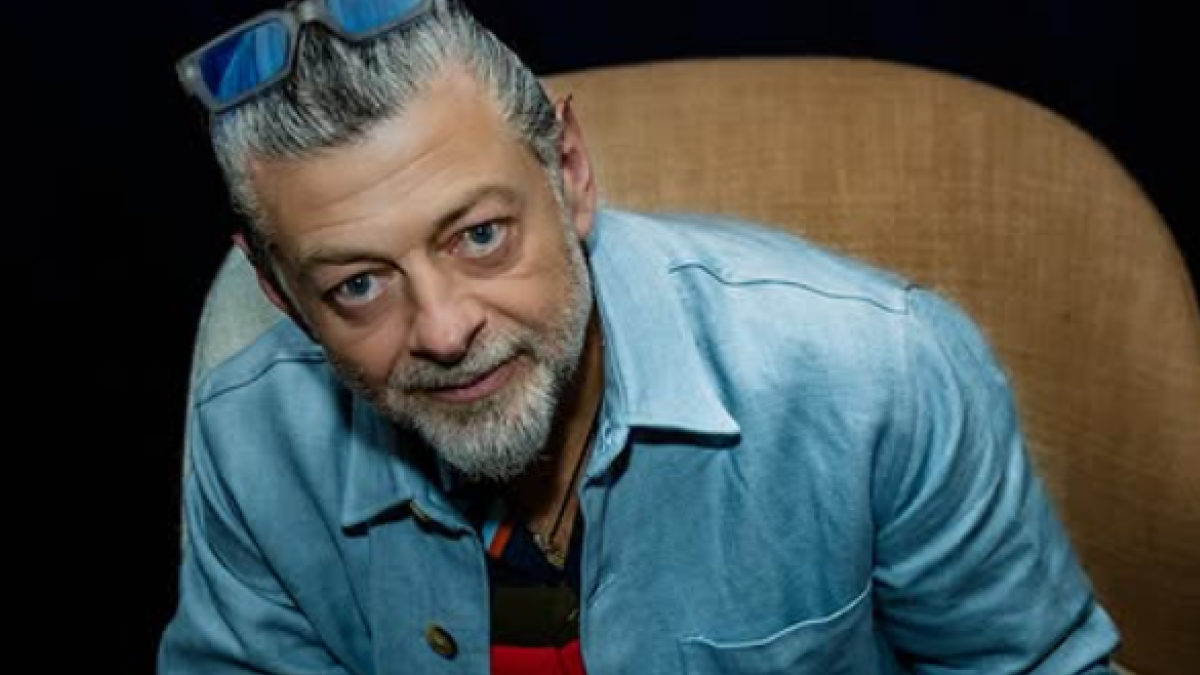
For years, fans of The Lord of the Rings trilogy have argued that something was lost when Middle-earth became more digital. Now, Andy Serkis seems determined to bring some of that texture back. While discussing the upcoming film The Lord of the Rings: The Hunt for Gollum, Serkis revealed that the production is leaning heavily into practical filmmaking techniques that defined the original trilogy. Miniatures are returning. Prosthetic-heavy orcs are returning. Real locations are returning. Even members of the original set design crew are returning.
That detail matters more than it sounds.
The original Lord of the Rings films became iconic partly because they felt physically real. Massive miniatures, practical armor, location shooting in New Zealand, and handcrafted sets gave Middle-earth weight and atmosphere. The world felt lived in rather than rendered. By contrast, the Hobbit trilogy often faced criticism for relying too heavily on CGI environments and digital effects that made parts of the world feel artificial.
Serkis appears fully aware of that divide.
What is interesting is that he is not rejecting modern technology entirely. Instead, he describes the new film as a balancing act between old and new techniques. That suggests the goal is not nostalgia for nostalgia’s sake, but recreating the emotional realism that audiences connected with in the first place.
The story itself also occupies a fascinating place in the timeline. According to Serkis, the film sits between the Hobbit trilogy and the original Lord of the Rings films. That positioning gives the project room to bridge two very different visual eras while exploring a character who has always existed in the shadows of the larger saga.
And that character is, of course, Gollum.
Serkis insists this will not simply be a nostalgia trip, which is probably the smartest thing he could say. Modern franchise filmmaking often depends too heavily on recognition and references rather than meaningful storytelling. By focusing on Gollum’s psychology and unexplored journey, the film has a chance to feel like an actual addition to the mythology instead of a corporate revisit.
The casting of Jamie Dornan as a younger version of Aragorn also hints at that transitional period. Serkis explained that the character is still known as Strider at this point, a wandering figure living in isolation before embracing the identity audiences know from the original films.
That detail captures the larger idea behind the project. This is a story about characters before they fully become legends.
There is also a broader industry conversation happening here. Audiences are increasingly craving tactile filmmaking again. From practical stunts in action films to physical creature effects in horror and fantasy, there is growing fatigue around worlds that feel overly synthetic. Serkis tapping back into older methods feels less like regression and more like correction.
Whether The Hunt for Gollum succeeds will ultimately depend on the story. But visually and stylistically, it already seems to understand something crucial.
Middle-earth was never just impressive because of scale. It worked because it felt real enough to touch.