
For a lot of fans, Joyce Summers was the emotional center of Buffy the Vampire Slayer. She was warm, imperfect, stressed, confused, and painfully human in a world full of vampires, demons, and apocalypse storylines. Which is exactly why one particular moment from season 2 still hurts almost three decades later. Now, actress Kristine Sutherland is admitting it hurt her too.
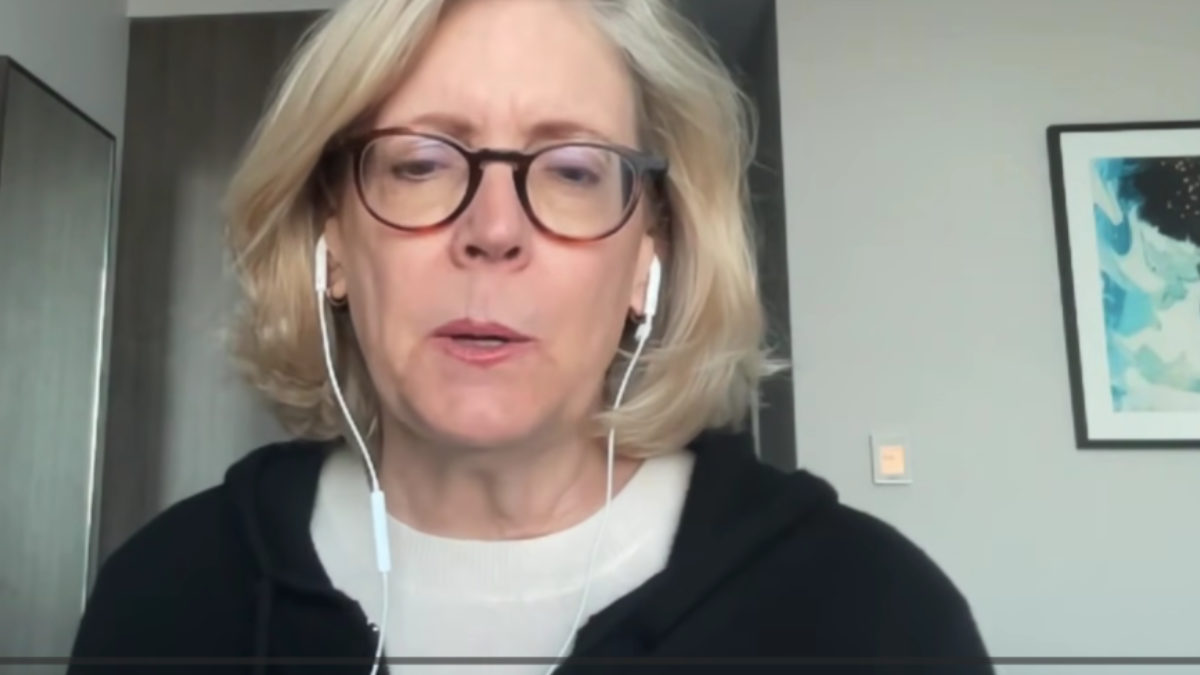
Speaking on the podcast hosted by fellow Buffy star Charisma Carpenter, Sutherland reflected on what she called the “hardest thing” about playing Joyce Summers, the moment Joyce tells Buffy not to come back home.
And honestly, even hearing her talk about it still stings.
“That was so unbelievably painful for me to say,” Sutherland explained, referring to the iconic season 2 finale where Sarah Michelle Gellar’s Buffy is forced to reveal she is the Slayer before leaving home entirely.
The scene remains one of the most emotionally devastating moments in the show because it was never really about vampires.
It was about a mother terrified of losing her child and a teenager realizing that saving the world might cost her normal life forever.
What makes Sutherland’s comments interesting is that she openly admits the storyline felt “against character” for Joyce.
According to her, scenes where Joyce dismisses Buffy, sides with Ted, or ultimately throws her daughter out of the house were deeply uncomfortable to perform because they did not align with how she understood the character emotionally.
And honestly, fans have debated this exact thing for years.
Because Joyce Summers was written as both loving and painfully oblivious. The show constantly trapped her between realism and plot necessity. She had to remain unaware of Buffy’s supernatural life long enough for the series tension to work, but that also meant she sometimes came across harsher or more dismissive than audiences wanted her to be.
Sutherland’s explanation actually reframes those moments in a fascinating way.
She says part of the reason Joyce behaves so intensely is because viewers are essentially experiencing events through Buffy’s emotional perspective. In other words, Joyce becomes the terrifying parent Buffy sees her as in that moment.
That interpretation honestly makes the entire scene even sadder.
Because season 2 of Buffy was where the show stopped pretending it was just a clever teen horror series and transformed into something much darker and more emotionally brutal.
The writers weaponized metaphor constantly. Vampires became addiction, heartbreak became apocalypse, and family conflict became emotional exile. Buffy leaving home after being rejected by her mother was less about supernatural drama and more about the feeling many teenagers have when they believe their parents no longer understand who they are.
And it worked because of how grounded Sutherland and Gellar played it.
There is no screaming melodrama in that scene. No theatrical speech. Just exhaustion, fear, confusion, and pain. That realism is probably why the storyline still gets discussed today.
Ironically, Joyce Summers would later become one of the show’s most beloved characters precisely because viewers saw how hard she tried after learning the truth. Once she understood Buffy’s burden, she became one of her biggest emotional anchors.
Which makes her eventual death in season 5 hit even harder. Sutherland’s comments also add to a larger pattern of former Buffy cast members reflecting more critically on the show in recent years. Several actors, including Gellar herself, have spoken openly about storylines they disliked or darker tonal shifts they felt disconnected from.
But despite all that, the emotional honesty of those seasons is exactly why Buffy the Vampire Slayer still holds such a powerful legacy. The monsters were never the scariest part of the show. The human moments were.