
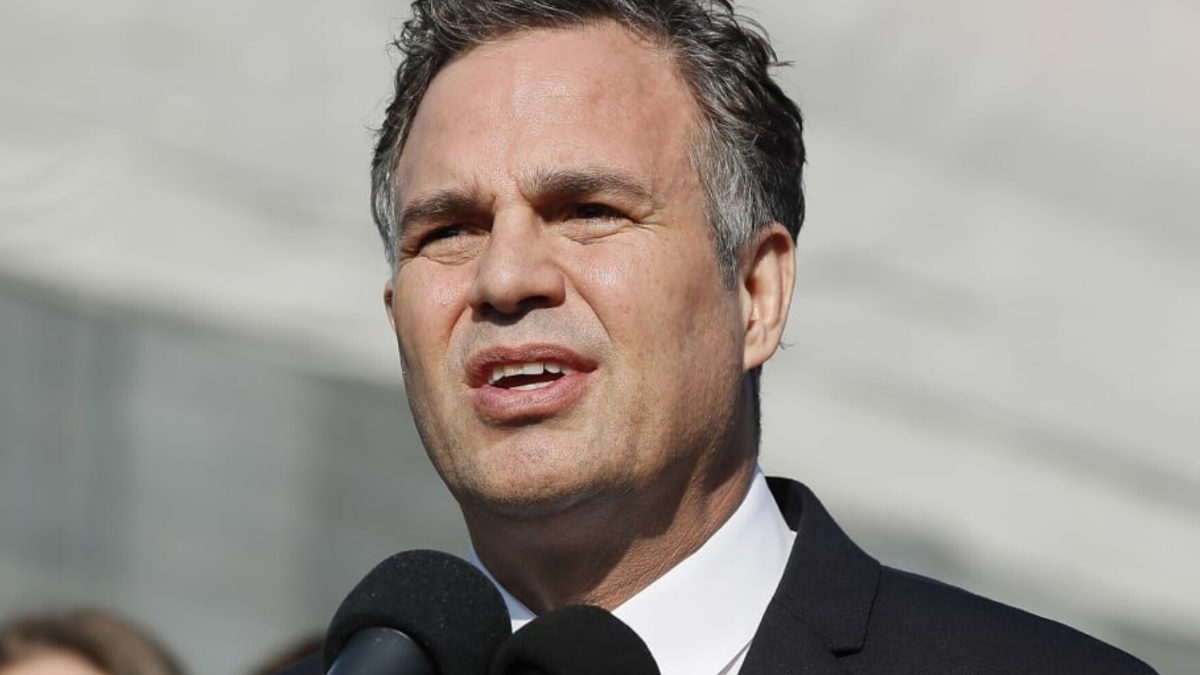
Mark Ruffalo is speaking out about what he describes as a growing culture of fear inside Hollywood. In a new opinion piece co-written with American Economic Liberties Project research director Matt Stoller, the actor claimed that several major Hollywood figures privately supported efforts to block the proposed Paramount and Warner Bros. merger but refused to publicly sign an open letter opposing the deal.
According to Ruffalo, the issue was not a disagreement. It was fear.
“The most revealing thing about that letter wasn’t the people who signed. It was the people who didn’t,” the op-ed stated. “Not because they disagreed. Because they were afraid.”
The open letter opposing the merger reportedly gathered more than 4,000 signatures from actors, directors, writers, and industry professionals, including names like Florence Pugh, Pedro Pascal, Denis Villeneuve, Sofia Coppola, and Edward Norton.
The campaign argues that the merger would further shrink an already highly concentrated entertainment industry and reduce opportunities for creators while giving even more power to a handful of giant corporations.
Ruffalo and Stoller claimed that many people in Hollywood privately admitted they supported the campaign but worried about possible retaliation if they publicly opposed the merger.
The op-ed pointed to multiple examples that they say illustrate the atmosphere of fear surrounding the deal.
One example involved entertainment publication The Ankler, which reportedly lost advertising support from Paramount after one of its editors appeared carrying “Block the Merger” buttons at an event.
Ruffalo also claimed he was suggested for a CNN segment discussing the merger, but the network allegedly backed away because Warner Bros. Discovery is CNN’s parent company.
According to the article, organizers were reportedly told the situation was “a delicate subject” because of the ongoing merger process.
The proposed Paramount and Warner Bros. merger has already become one of the most debated entertainment industry stories of the year, especially as concerns continue growing over media consolidation, studio layoffs, and shrinking creative freedom.
Critics of the merger argue that combining two of Hollywood’s biggest studios would reduce competition even further and leave fewer major buyers and distributors in the industry.
Supporters, however, believe the merger could strengthen both companies financially during a period where traditional studios continue struggling against streaming disruption and declining cable revenue.
Ruffalo ended the piece by encouraging artists and workers not to stay silent out of fear. He argued that challenging corporate power in Hollywood could also inspire broader resistance against monopolies across other industries as well.