
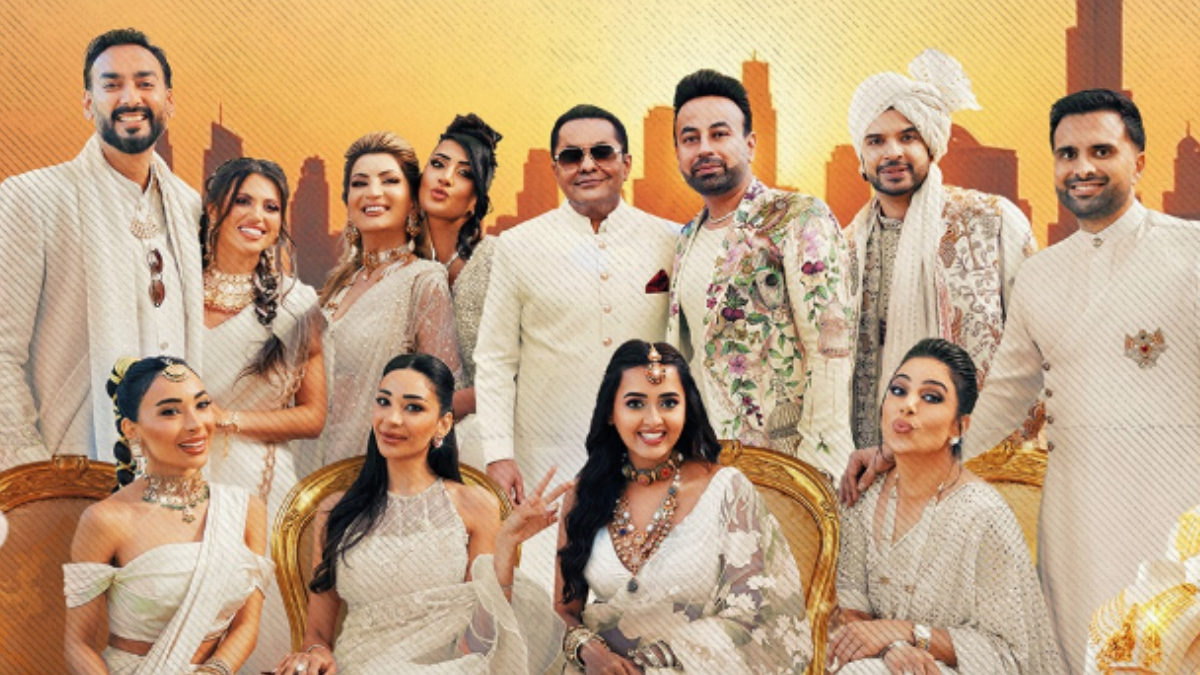
Netflix’s Desi Bling arrived on May 20, 2026 with all the ingredients of a glossy reality spectacle. Positioned as a spin-off of Dubai Bling, the seven-episode docu-series follows the extravagant lives of affluent Indian expats living in Dubai, bringing together celebrities, business tycoons, influencers and socialites against a backdrop of luxury cars, lavish parties and high-profile social circles.
The series features television stars Karan Kundrra and Tejasswi Prakash alongside real estate figures Rizwan Sajan and Adel Sajan, nightlife entrepreneurs Satish Sanpal and Tabinda Sanpal, influencer twins Alizey Mirza and Lailli Mirza, as well as social personalities Pamela Serena and Dyuti Parruck. Guest appearances from names like Sania Mirza, Shilpa Shetty, Tiger Shroff, Sunny Leone and Vivek Oberoi further add to the show’s celebrity-heavy appeal.
But within days of its release, Desi Bling began attracting criticism for reasons that had little to do with fashion, luxury or entertainment. Several moments from the series sparked discomfort over the way relationships and gender dynamics were being portrayed on screen. Conversations involving certain cast members, particularly around marriage, loyalty and male behaviour, left many viewers questioning whether the show was glamorising toxic attitudes rather than challenging them.
Scenes featuring casual disrespect, emotional manipulation and dismissive treatment of women became some of the most discussed aspects of the series. Instead of aspirational glamour, many found themselves reacting to what they saw as outdated and deeply problematic dynamics packaged as elite lifestyle entertainment.
The criticism did not stop there. The show’s constant display of excess wealth, designer labels and carefully staged confrontations also triggered debate over how affluent Indians and South Asians are being represented internationally. For many, Desi Bling felt less like an authentic glimpse into successful expatriate lives and more like an exaggerated performance built around vanity, status and spectacle.
The comparisons to Dubai Bling only intensified that perception. Rather than carving out its own identity, the show has often been accused of leaning too heavily into the same formula of manufactured drama, luxury obsession and social rivalry. Words like “pretentious,” “scripted” and “cringe” have become closely associated with the series as viewers continue dissecting its most awkward and controversial moments.
At the same time, the backlash has not slowed the attention surrounding the show. If anything, the criticism appears to have made Desi Bling even more visible. The series has become one of those reality shows that audiences continue watching even while openly questioning it, creating a strange mix of fascination, discomfort and outrage.
What Desi Bling has ultimately exposed is how differently audiences now engage with reality television. Viewers are no longer reacting only to glamour and celebrity access. They are also paying attention to what these shows normalise, especially when it comes to relationships, gender roles and cultural representation. In that sense, Desi Bling may have succeeded in becoming a talking point, though not necessarily in the way it intended.