
Do we, as audiences, sometimes forget where a character ends and an actor begins? It happens far more often than we’d like to admit. Over the years, countless actors have received real-life hate for portraying fictional characters too convincingly. Recently, audiences found a new character to dislike, and it wasn’t Zendaya or Robert Pattinson. It was Rachel. The backlash became so intense that discussions quickly shifted from the character’s actions to the actress herself. But isn’t that proof that she did her job well? When a performance feels so real that audiences become emotionally invested, we often mistake great acting for reality.
It’s one of the strangest things audiences do.
Because if you really think about it, isn’t making us hate a character exactly what actors are being paid to do?
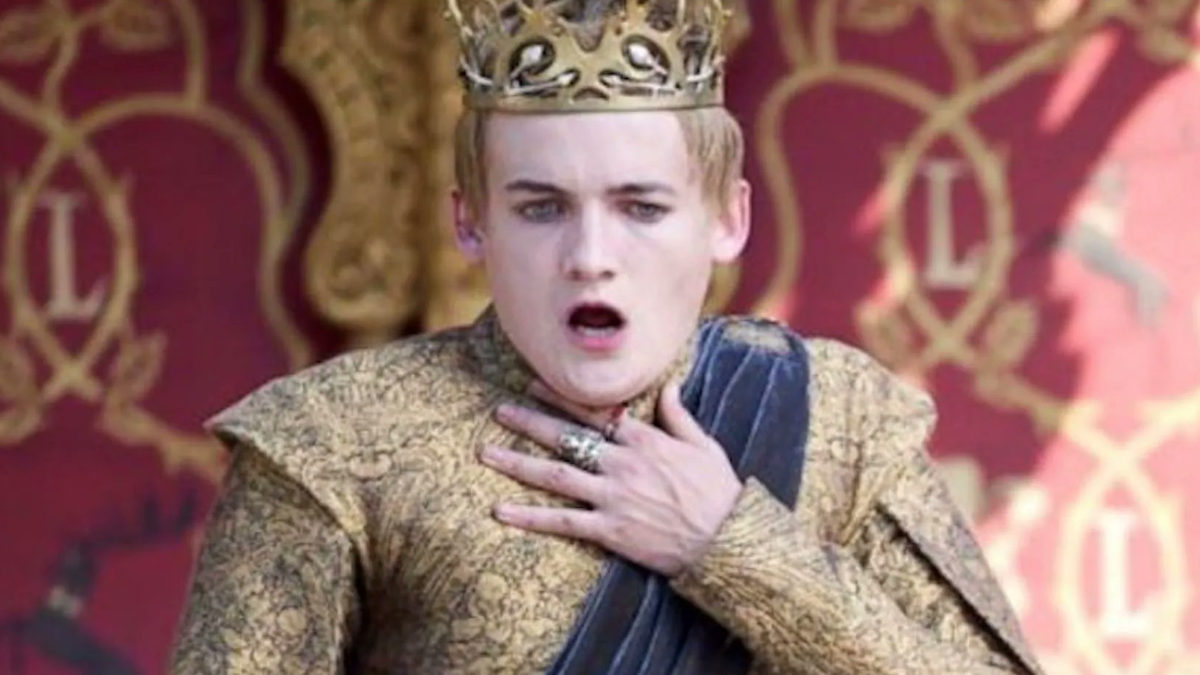
Take Jack Gleeson.
The man played one of television’s most despised characters so convincingly that people genuinely struggled to separate him from Joffrey Baratheon. Fans booed him in public. Interviewers constantly asked him about being hated. To this day, Joffrey is still used as the gold standard for unbearable television characters.
But that should have been a compliment.
Because nobody hates a badly written villain.
Nobody hates a poorly acted villain.
You only hate a character when the actor makes you believe they are real.
The same thing happened to Anna Gunn.
Skyler White became one of the most controversial characters in television history despite being one of the few people reacting normally to the fact that her husband was secretly becoming a drug kingpin. Viewers sent Gunn abuse, insults and threats because they saw her as an obstacle to Walter White’s journey.
Think about how ridiculous that sounds.
The chemistry teacher manufacturing methamphetamine became the hero.
His terrified wife became the villain.
Even Gunn herself later wrote about the misogyny and hatred she faced because audiences couldn’t separate the actress from the character.
Then there’s Imelda Staunton.
Ask any Harry Potter fan who they hate more: Voldemort or Umbridge.
A surprising number will choose Umbridge.
Why?
Because Voldemort is a fantasy villain. He’s larger than life.
Umbridge feels real.
Everyone has met an Umbridge.
A teacher who abuses authority. A manager who enjoys power too much. A bureaucrat who hides cruelty behind a smile.
Staunton played the role so perfectly that people still get angry when they see clips of Umbridge nearly twenty years later.
And yet, in real life, Staunton is one of the most respected and beloved actresses in Britain.
The disconnect is fascinating.
More recently, Sydney Sweeney has experienced a version of the same phenomenon.
Cassie became one of television’s most discussed characters because of her chaotic decisions, toxic relationships and constant need for validation. Social media mocked her relentlessly.
But somewhere along the way, people started acting as if Sydney Sweeney and Cassie were the same person.
They’re not.
Sydney Sweeney isn’t Cassie.
Just like Zendaya isn’t Rue.
In fact, Zendaya has repeatedly spoken about how different she is from Rue Bennett, the drug-addicted teenager she portrays in Euphoria. Yet millions of viewers watched her performance and completely believed it.
That’s called acting.
And great acting often becomes its own curse.
The better actors become at their jobs, the more people forget they’re acting.
Psychologists actually have a term for this. It’s called parasocial attachment. We spend so much time watching fictional worlds that our brains begin processing those relationships as emotionally real. We laugh with the characters. We cry with them. We root for them.
And sometimes we hate them.
The problem starts when those emotions spill over onto real people.
Social media has made this worse than ever.
Years ago, disliking a character meant complaining to your friends after an episode aired.
Now it means flooding actors’ Instagram comments with insults.
It means creating hate edits.
It means tagging actors in angry posts as if they personally made every decision their character made.
We’ve seen actors leave social media because of it.
We’ve seen child actors receive abuse because viewers disliked their characters.
We’ve seen performers spend years defending themselves for fictional actions they never actually committed.
And that’s where things become dangerous.
Because if actors know they’re going to receive real-life harassment for playing complicated, flawed or villainous characters, eventually fewer people will want those roles.
Imagine a world where everyone only wanted to play heroes.
No Joffrey.
No Cersei.
No Umbridge.
No Skyler.
No Cassie.
No great villains.
No morally complicated characters.
No stories worth talking about.
The truth is that hated characters are often some of the most important people in a story. They create conflict. They challenge protagonists. They make viewers feel something.
And when an actor succeeds so completely that audiences cannot stop talking about their character, that’s usually evidence of a remarkable performance.
The next time you find yourself screaming at your television because a character is unbearable, manipulative or infuriating, maybe pause for a second.
Ask yourself whether you actually hate the actor.
Or whether they simply did their job so well that you forgot where the performance ended and the person began.
Because if a fictional character can make millions of people angry, emotional and invested enough to keep watching week after week, the actor behind that character probably deserves applause, not hate.
After all, the greatest compliment an actor can receive isn’t always love.
Sometimes it’s making an entire audience forget they’re acting at all.