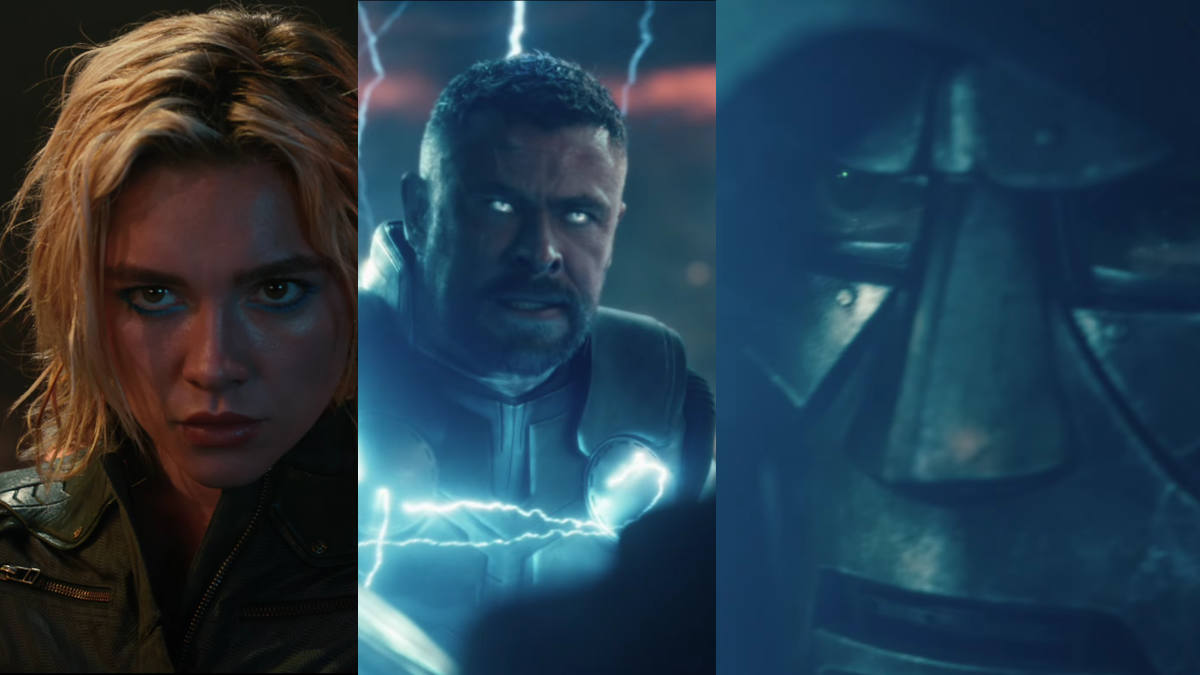
Marvel fans have become almost as obsessed with leaks as they are with the films themselves. A new casting rumour, an alleged plot detail, a set photograph or an unexpected comment from an actor can trigger days of speculation. But there is a larger question behind all of it: how much of what reaches the internet is genuinely accidental, and how much does Marvel simply allow to circulate because it keeps the films in the conversation?
The answer is probably somewhere in between. Marvel has always taken secrecy seriously. The Russo brothers have spoken about fake scenes, restricted scripts and deliberate misinformation during Avengers: Endgame, while Marvel has also taken legal action over genuinely leaked material, including the Quantumania script. So there is little reason to believe the studio wants every secret out in the open.
At the same time, Marvel has clearly understood that not every leak is harmful. Kevin Feige has acknowledged how difficult it has become to keep major productions completely secret, and the success of Spider Man: No Way Home showed that even widespread speculation about major surprises can actually add to the excitement rather than diminish it.
That has created a very unusual ecosystem around Marvel. Some information comes from people genuinely connected to a production. Some comes from casting or production discussions that were never meant to become public. Some rumours are simply educated guesses that happen to be right. Others are distorted as they travel from one account to another, while an increasing amount of alleged Marvel material is simply fake or AI generated.
The interesting part is that Marvel does not necessarily have to control all of this to benefit from it.
When a supposed Doomsday spoiler begins circulating, fans investigate it, debate it, make videos about it and build theories around it. Marvel may neither confirm nor deny the claim, but the film remains firmly in the public conversation. Even something as simple as David Harbour’s recent “You are Tony Stark” line immediately became another mystery for fans to dissect, regardless of whether it was an actual slip or simply a joke.
That may be the real evolution of Marvel’s marketing strategy. It does not necessarily need to plant every rumour. It only needs to understand how powerful the rumour ecosystem has become.
For fans, that makes every new “leak” harder to judge. The real question is no longer simply whether it is true. It is also worth asking where the information came from, why it surfaced at that particular moment and who benefits from millions of people discussing it.
Marvel may still be protecting its biggest secrets as fiercely as ever. What has changed is that the speculation surrounding those secrets has become part of the entertainment itself.
And in an age where a real leak, a lucky guess, a deliberate misdirection and an AI generated fake can all look remarkably similar, Marvel may have discovered something even more valuable than secrecy: keeping fans curious.
Are Marvel leaks really leaks? The strategy behind the rumours
From Avengers: Doomsday to Spider Man: No Way Home, discover why Marvel leaks may be more complicated than they appear and why fans keep falling for them