
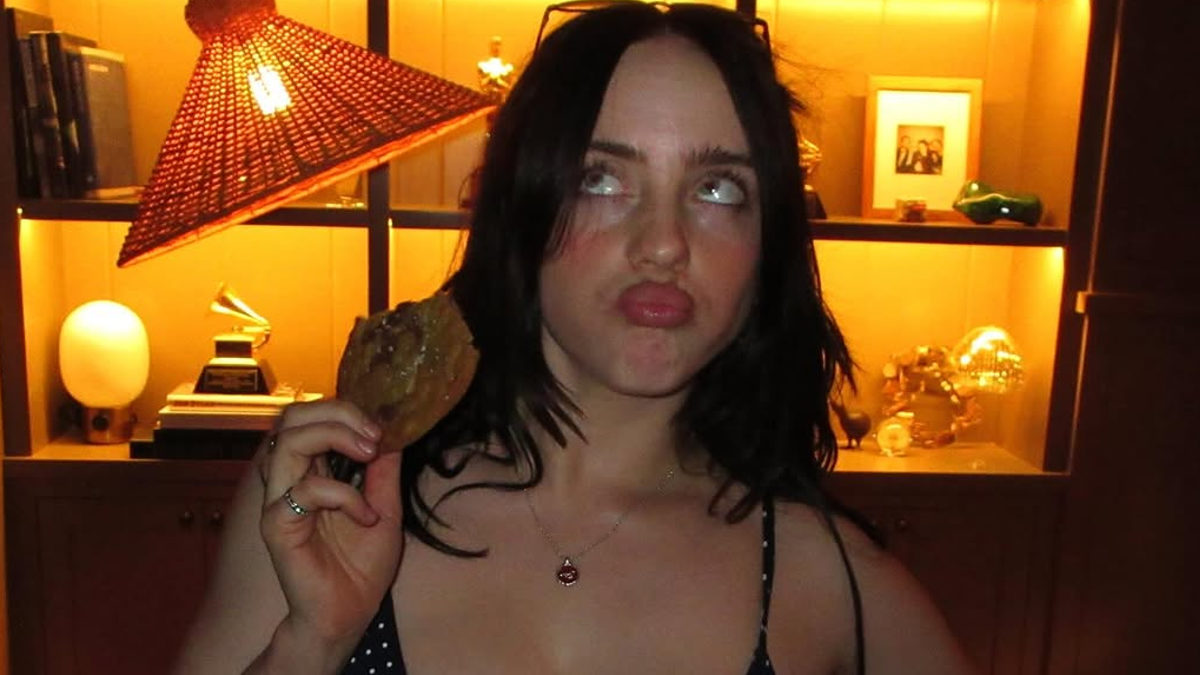
Billie Eilish is facing online backlash following her remarks at the 68th Annual Grammy Awards, where she stated, “No one is illegal on stolen land,” while criticizing US immigration enforcement. While the comment was met with applause inside the room, it quickly sparked a heated conversation on social media after the ceremony ended.
In the days following the Grammys, some critics began calling on the singer to go further than words. A growing number of users online argued that since Billie owns a reported $3 million mansion in Los Angeles, land historically inhabited by the Native Tongva tribe, she should return the property as a symbolic act aligned with her statement. Some went as far as suggesting the home be used to house migrants, framing the demand as a test of whether her activism matches her lifestyle.
The criticism has been amplified by voices who view celebrity activism as performative, pointing to what they see as a disconnect between Billie’s public messaging and her personal real estate footprint. However, others have pushed back strongly, noting that land ownership in the United States is complex and that no formal legal or moral obligation falls on Billie personally for historical displacement.
Supporters have also highlighted that members and leaders of the Tongva tribe themselves have not demanded that Billie give up her home. Instead, they have previously emphasized that what matters most is accurate acknowledgment of Indigenous peoples when referencing stolen land, along with meaningful education, respect, and relationship building with Native communities.
As the debate continues online, the situation reflects a broader tension around celebrity activism and how far public figures are expected to go to live out political statements. For now, Billie Eilish has not publicly responded to the calls, and the conversation remains one driven largely by social media discourse rather than any formal request from the Tongva tribe itself.