
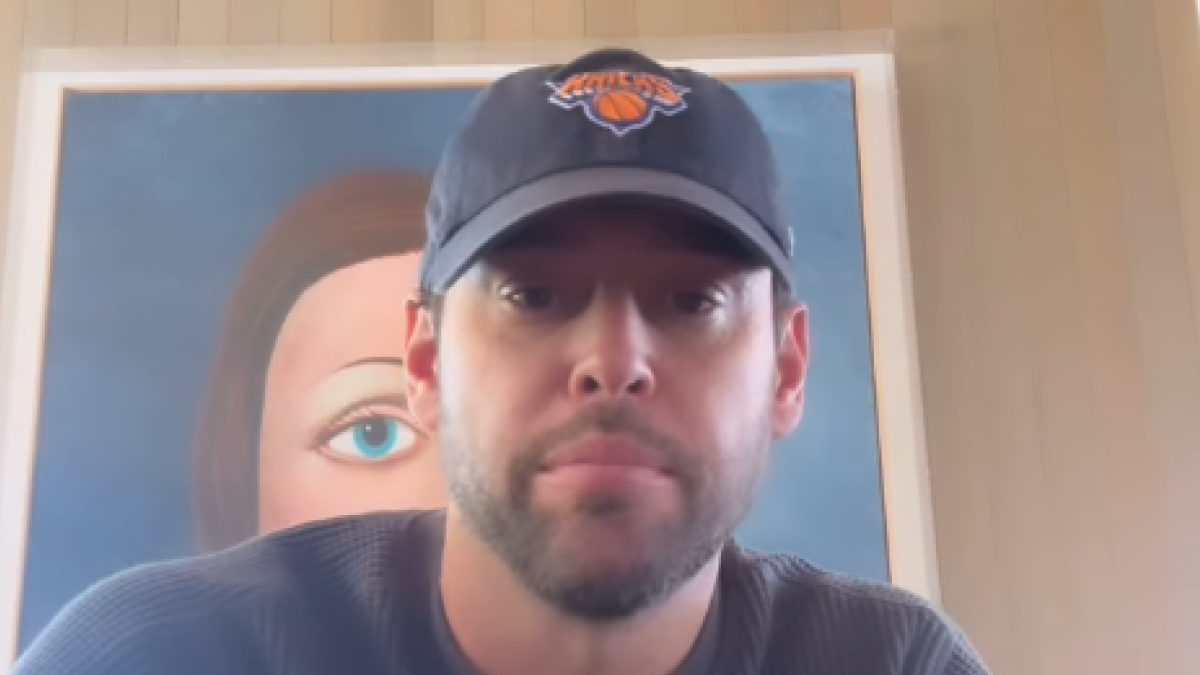
Seven years after one of the biggest controversies in modern music, Scooter Braun says he still doesn’t fully understand why Taylor Swift was so upset when he acquired her former record label and, with it, the master recordings of her first six albums. In a recent podcast interview, Braun claimed he barely knew Swift, saying they had only met a handful of times and never had a substantial relationship.
“I legitimately don’t know her,” Braun said, adding that he was surprised by the backlash that followed his 2019 acquisition of Big Machine Records.
But for many fans and industry observers, the source of the conflict was never about whether the two personally knew each other.
The controversy began when Braun purchased Big Machine Records in a deal reportedly worth around $300 million. The acquisition included ownership of the master recordings for Taylor Swift’s first six albums, music she had spent over a decade creating.
At the time, Swift publicly stated that she had not been given a fair opportunity to purchase her masters herself and described the sale as one of the worst-case scenarios she had feared. She also accused Braun of being associated with years of behavior she viewed as hostile and dismissive toward her.
For Swift, the issue was never simply personal. It was about ownership.
Artists spend years building their careers, writing songs, recording albums and developing their identities. The idea that someone else could ultimately control those recordings became a major talking point across the music industry.
That is why many people find Braun’s recent comments difficult to reconcile with what happened.
Years later, saying “I didn’t really know Taylor Swift” does not address the core issue. Critics argue that whether they had a personal relationship is largely irrelevant. The controversy centered on the acquisition of her life’s work and her belief that she had lost control over music she created.
Many fans also point out that Braun went ahead with the acquisition despite knowing Swift had publicly expressed a desire to own her masters. From their perspective, the fallout was never mysterious. The disagreement was about control of an artist’s work, not a personal misunderstanding.
The situation ultimately led Swift to embark on one of the most ambitious projects in music history, rerecording her catalog through the massively successful Taylor’s Version releases.
What began as a business dispute evolved into a movement about artist ownership and creative control.
The controversy also fueled broader discussions about Braun’s relationships within the music industry. Over the years, several high-profile artists who were once associated with him, including Justin Bieber, Ariana Grande, Demi Lovato, J Balvin and others, eventually moved on from his management company.
While departures from management teams are common in entertainment, critics often point to the long list of exits when discussing Braun’s legacy and influence within the industry. Many argue that when so many major artists choose to leave, questions are naturally raised about why.
To be fair, none of those departures automatically prove wrongdoing, and several artists have spoken positively about Braun at different points throughout their careers. However, the pattern has frequently been cited by those who believe the Taylor Swift dispute was not an isolated controversy.
In the end, Swift emerged with ownership of her catalog after successfully buying back her masters in 2025, bringing a years-long battle to a close.
For her fans, that outcome is what matters most.
And for many observers, the feud was never complicated. It was never about whether Scooter Braun personally knew Taylor Swift.
It was about who controlled the music.