
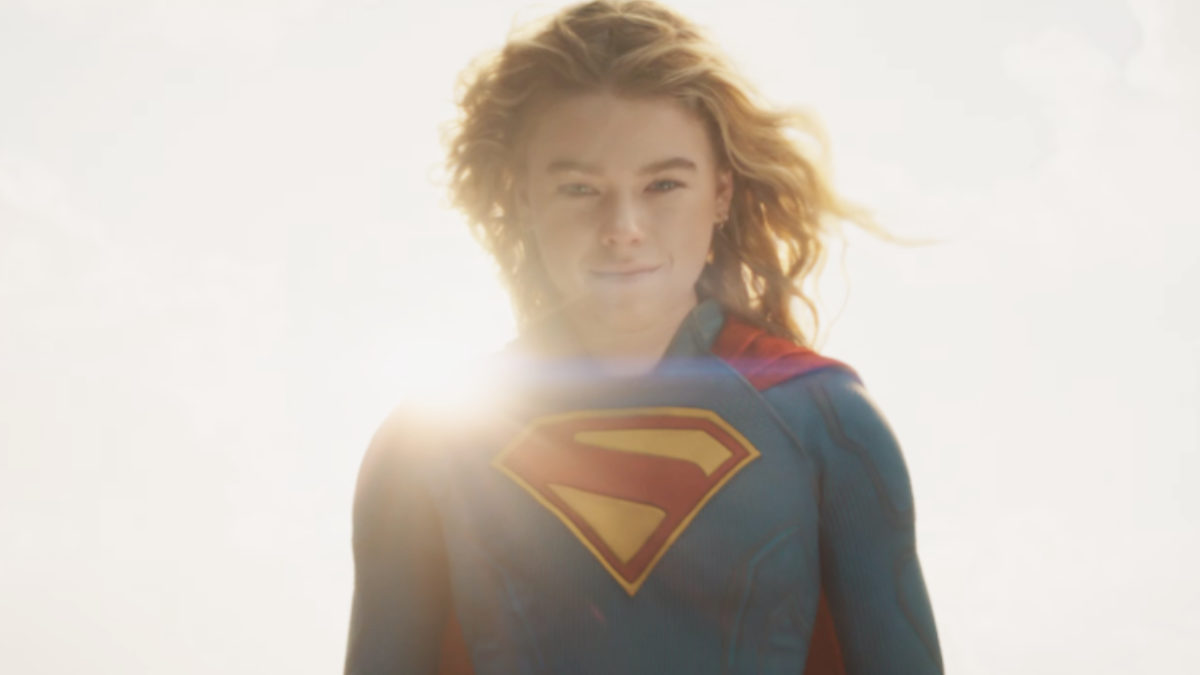
Nobody wakes up on opening weekend and suddenly discovers their $180 million superhero movie isn’t working. According to a new report from The Hollywood Reporter, that realization came months before Supergirl reached theatres. The film’s disappointing box office debut may have shocked fans, but internally, it appears DC Studios had been trying to fix the movie almost from the moment filming wrapped. The report claims Supergirl struggled through post-production, with multiple test screenings reportedly producing mediocre scores that largely remained in the 60s. Rather than sticking with director Craig Gillespie’s vision, DC Studios reportedly created its own competing version of the film, leading to an unusual “bake-off” between the filmmaker’s cut and the studio’s edit.
Ironically, neither version impressed audiences.
If true, this raises a much bigger question than whether Supergirl deserved better at the box office. It asks whether blockbuster filmmaking has reached a point where movies are being engineered instead of directed.
When a film is constantly rewritten, re-edited, rescored and reshaped after principal photography, it often starts feeling exactly like that: assembled rather than created.
That’s particularly interesting because James Gunn has repeatedly spoken about protecting filmmakers and prioritising quality over rushing projects. Yet according to the report, the studio eventually took increasing control of post-production, even bringing in Gunn collaborator Jeremy Slater for additional writing and editor Fred Raskin to work on a competing version of the film.
Of course, creative disagreements between studios and directors aren’t unusual. Nearly every major blockbuster goes through reshoots, test screenings and editorial changes. But creating two separate cuts and testing them against each other is a far more extraordinary step, suggesting there were genuine concerns about the film’s direction.
Perhaps the biggest lesson here isn’t about Supergirl at all.
It’s about the superhero genre.
For years, studios believed audiences would show up simply because a character wore a cape. That safety net no longer exists. Today’s viewers expect a strong story, memorable characters and a clear creative vision. They can tell when a film feels like a committee project rather than the work of a filmmaker with something to say.
Even Superman succeeded because it had one unmistakable voice behind it. The reported back-and-forth surrounding Supergirl seems to suggest that the film never fully found its own.
None of this means James Gunn’s larger DC plan is doomed. Every successful franchise has suffered setbacks along the way, and one underperforming movie doesn’t define an entire cinematic universe.
But the report does highlight a challenge DC can’t ignore moving forward. If every creative disagreement ends with competing edits and endless tinkering, audiences won’t see confidence. They’ll see uncertainty.
And in 2026, uncertainty may be the one thing superhero movies can least afford.