
Jawan filmmaker Atlee Kumar and wife Priya Atlee have welcomed their second child, a baby girl, on April 20, 2026. The couple shared the update on social media with a simple, emotional note, along with an illustration of their son Meer celebrating becoming a big brother. They had earlier announced the pregnancy on January 20, 2026, with a warm family-style post that quickly went viral. Priya’s pregnancy remained in the public eye through photoshoots and a baby shower attended by close industry friends.
Atlee and Priya got married on November 9, 2014, after being in a long-term relationship. They became parents for the first time in January 2023 with the birth of their son Meer.
From a trade perspective, Atlee is among the most successful commercial directors in India today. After delivering multiple Tamil blockbusters, he made a massive pan-India impact with Jawan starring Shah Rukh Khan. He is now working on the big-budget film Raaka, which is expected to expand his global reach further.
Priya Atlee is also active as a producer and plays a key role in their production ventures, making them one of the most prominent power couples in the industry right now.
Jawan director Atlee, wife Priya blessed with baby girl

Miguel Ángel Jiménez teams up with AF Films for a new drama on youth radicalization
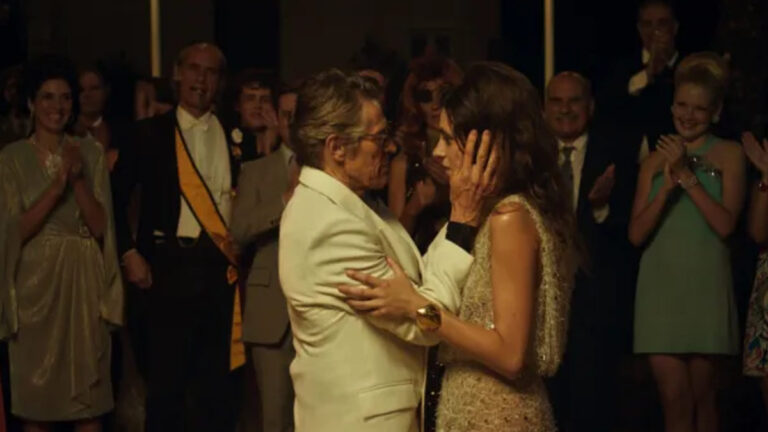
Spanish filmmaker Miguel Ángel Jiménez is stepping into deeply provocative territory with his next feature film, partnering with AF Films for a new project that explores racism, identity, and youth radicalization. Following his work on The Birthday Party, Jiménez is now developing a film titled Hijos del Miedo, a story that aims to dive into the psychology of a young man caught in a cycle of anger, ideology, and self-destruction.
The film centers on Salva, a young man drawn toward far-right extremism. His life is defined by routine and frustration, balancing a job he dislikes, caring for his grandfather, and spending nights with a volatile group of friends. His internal conflict escalates into violence when he assaults an immigrant, forcing him to flee and confront the consequences of his actions.
Seeking refuge in southern Spain, Salva hides out in the home of a family acquaintance who remains unaware of his past. It is here, surrounded by a tense social atmosphere and harsh environmental conditions, that he meets Cherry, a woman who begins to challenge his beliefs and forces him to question his identity.
What sets this project apart is its narrative approach. Rather than judging its central character from a distance, Jiménez has expressed a desire to tell the story from within Salva’s perspective. The filmmaker has acknowledged that this choice may be controversial, but he believes it is necessary to create an honest portrayal of how radicalization takes root among young people.
The story aims to explore the underlying frustrations that fuel extremist thinking, including feelings of displacement, social pressure, and resistance to evolving societal norms such as feminism, immigration, and LGBTQ+ rights. Instead of simplifying these issues, the film intends to examine them with nuance, focusing on understanding rather than condemnation.
For AF Films, the project aligns with its vision of backing stories that confront difficult realities. The company has built a reputation for supporting bold, thought-provoking cinema, often working across international markets to bring complex narratives to life.
With Hijos del Miedo, both Jiménez and AF Films appear committed to creating a film that does not offer easy answers, but instead invites audiences to reflect on the forces shaping modern society.
In an era where conversations around identity and radicalization continue to grow more urgent, this project positions itself as a timely and potentially challenging addition to contemporary cinema.
Charlize Theron calls out Timothée Chalamet, says AI may replace film roles but not live performance
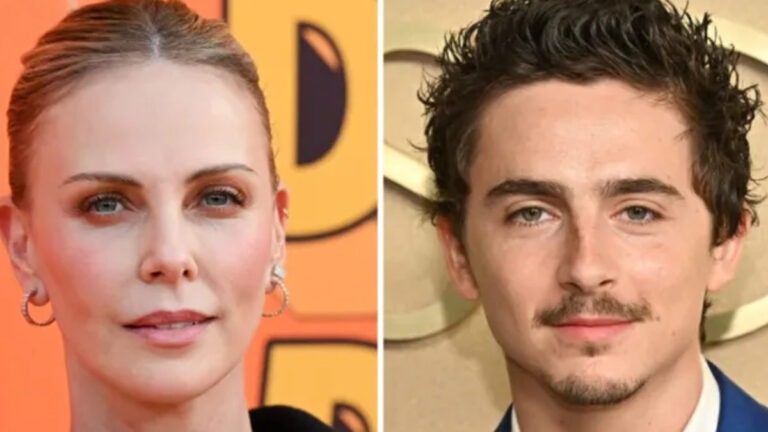
Charlize Theron is not holding back when it comes to defending traditional art forms. In a recent conversation, the actor pushed back against comments made by Timothée Chalamet regarding ballet and opera, calling his remarks “reckless” and emphasizing the importance of respecting all forms of artistic expression. The discussion began after Chalamet suggested that he would not want to work in fields like ballet or opera, implying that these art forms struggle because audiences no longer engage with them in the same way. While he clarified that he meant no disrespect, the comment quickly sparked conversation across the industry.
Theron, however, took a firm stance. Drawing from her own experience with dance, she highlighted the intense physical and mental discipline required in those fields. According to her, dancers are among the most resilient performers, enduring rigorous training and physical strain that often goes unseen by audiences.
She described dance as one of the most challenging things she has ever done, pointing out the extreme conditions performers push through, from injuries to relentless daily practice. For her, that level of dedication is something that deserves recognition, not dismissal.
What made her response even more striking was her take on the future of the industry. Theron acknowledged the growing role of artificial intelligence in entertainment, suggesting that in the coming years, AI could potentially replicate aspects of screen acting. However, she drew a clear line when it comes to live performance.
In her view, no matter how advanced technology becomes, it cannot replace the experience of watching a real person perform on stage. The immediacy, vulnerability, and physical presence of live art forms like ballet remain something uniquely human.
At the core of her argument is a broader point about artistic respect. Rather than comparing or diminishing different forms of expression, Theron emphasized the need to support and uplift them, especially those that may already be struggling to maintain visibility in a rapidly changing entertainment landscape.
The conversation reflects a larger debate currently unfolding in the industry, where technology, audience behavior, and traditional art forms are constantly intersecting. As AI continues to evolve, questions about creativity, authenticity, and the future of performance are becoming more urgent.
For now, Theron’s message is clear. Technology may transform the way stories are told, but it cannot replace the human experience at the heart of live art.
Euphoria season 3: Sydney Sweeney’s Cassie is compelling, but deeply frustrating
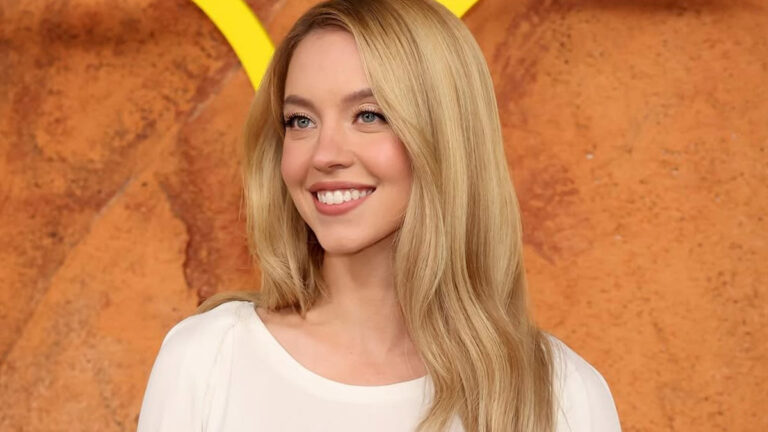
There’s no denying that Sydney Sweeney is doing something technically interesting with Cassie in Euphoria season 3. But whether that translates into something enjoyable or even meaningful to watch is a completely different conversation. Episode 2 leans heavily into Cassie’s “dream life” with Jacob Elordi’s Nate, where she finally gets what she always wanted. She is chosen. She is engaged. She is, on paper, winning.
And yet, everything about her feels hollow.
Cassie’s decision to start an OnlyFans to fund her wedding is where things start to spiral, not just narratively, but thematically. It is not even about survival or desperation in a grounded sense. It feels like a character completely driven by validation, willing to shape-shift into whatever people want her to be.
And that is where the discomfort really sets in.
The show pushes her into increasingly bizarre territory, including roleplay scenarios where she becomes an “adult baby” because that is what her audience requests. Instead of this being framed with depth or critique, it often just comes across as shock value. It is hard to watch, not because it is bold, but because it feels empty.
Cassie no longer feels like a fully formed person. She feels like a shell.
That is where my biggest issue with the performance lies. While Sweeney clearly understands the assignment and leans into Cassie’s desperation and need for approval, it ends up making the character feel one-dimensional. Everything she does is rooted in being desired, whether by Nate or by strangers online.
And that gets exhausting.
Even her interaction with Maddy Perez carries this strange energy. Cassie tries to play the role of the “good person,” the girl who regrets how things happened, but it all feels performative. Like she is acting inside her own life, trying to convince herself more than anyone else.
There is something interesting in that idea. The way Cassie constructs her identity based on how others see her could have been powerful. But the execution feels repetitive rather than evolving.
At this point, it is hard to see growth.
Instead of becoming more self-aware, Cassie seems to be sinking deeper into a version of herself that is entirely dependent on external validation. Whether it is Nate controlling her choices or an online audience shaping her behavior, she is constantly giving pieces of herself away.
And that is why, despite all the technical skill in the performance, it just does not land emotionally. Because you are not watching someone evolve. You are watching someone disappear. And maybe that is the point. But right now, it just feels like wasted potential.
Marilyn Monroe’s iconic white dress moment had a hidden, chaotic history
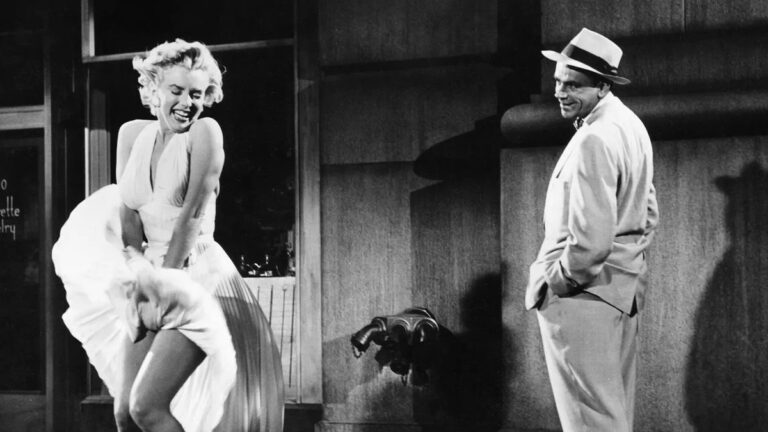
Few moments in cinema are as instantly recognizable as Marilyn Monroe standing over a subway grate, her white dress billowing upward in The Seven Year Itch. It is a scene that has defined Hollywood glamour for decades. But behind that effortless image lies a story far more chaotic, emotional, and complex than audiences ever saw on screen. Newly surfaced photographs reveal that the now-legendary scene had to be completely reshot.
The original filming took place on a New York City street, where the production intentionally alerted the press. What followed was exactly what you would expect: thousands of people flooded the area to witness the moment live.
The result was chaos. The noise from the crowd made the footage unusable, forcing the production to recreate the entire scene weeks later on a controlled Hollywood soundstage.
While the final version looks seamless, the reality behind it was anything but. Photographer Bruno Bernard, who had known Monroe since her early modeling days, captured the reshoot in a series of intimate images that now offer a rare glimpse into what was happening behind the scenes.
The reshoot itself was demanding. Director Billy Wilder pushed for take after take, reportedly going through dozens of attempts to perfect the moment. Monroe, dressed in a delicate outfit under harsh studio conditions, had to repeatedly deliver the same line while maintaining the illusion of spontaneity.
But the emotional weight of the scene extended beyond the set. Monroe’s then-husband, baseball legend Joe DiMaggio, had been present during the original New York shoot and strongly disapproved of the scene. His discomfort grew as the crowd reacted loudly to each take, eventually leading him to leave in frustration.
The tension did not end there. The disagreement over the scene reportedly escalated after filming, contributing to the breakdown of their marriage. Shortly after, Monroe filed for divorce, making this iconic cinematic moment deeply tied to a personal turning point in her life.
The newly revealed images also shed light on Monroe’s working process. She relied heavily on her acting coach, Natasha Lytess, who closely guided her through each take. Observers described the dynamic as intense and, at times, overwhelming, yet it ultimately helped Monroe deliver a performance that appeared natural and effortless on screen.
What makes this story so fascinating is the contrast between perception and reality. On screen, the moment feels light, playful, and iconic. Behind the scenes, it was filled with pressure, repetition, emotional strain, and personal conflict.
Today, that single shot remains one of the most enduring images in film history. But these new insights remind us that even the most effortless-looking moments in Hollywood are often built on layers of hard work, chaos, and deeply human experiences.
Kim Kardashian and Lewis Hamilton continue public outings with Nobu Malibu date
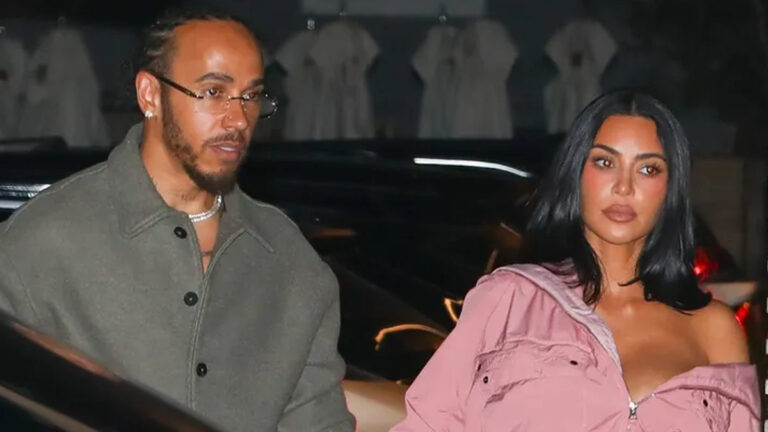
Kim Kardashian and Lewis Hamilton were once again seen together, this time stepping out for a dinner date at Nobu Malibu, adding to their growing list of public appearances. The two arrived at the restaurant together in the evening and spent around two hours inside, keeping the setting intimate and focused on each other. Reports note that they pulled up around 9 PM and stayed until close to 11 PM, making it a relaxed but clearly intentional night out.
Lewis was seen driving them to the venue and even opened the car door for Kim before they headed inside, a small but noticeable detail from the outing. Once inside, they kept things low-key, sitting together and spending uninterrupted time before leaving the restaurant side by side.
When they exited, both appeared comfortable and happy, smiling as they left the venue. There was no attempt to avoid attention, which matched the pattern of their recent outings together.
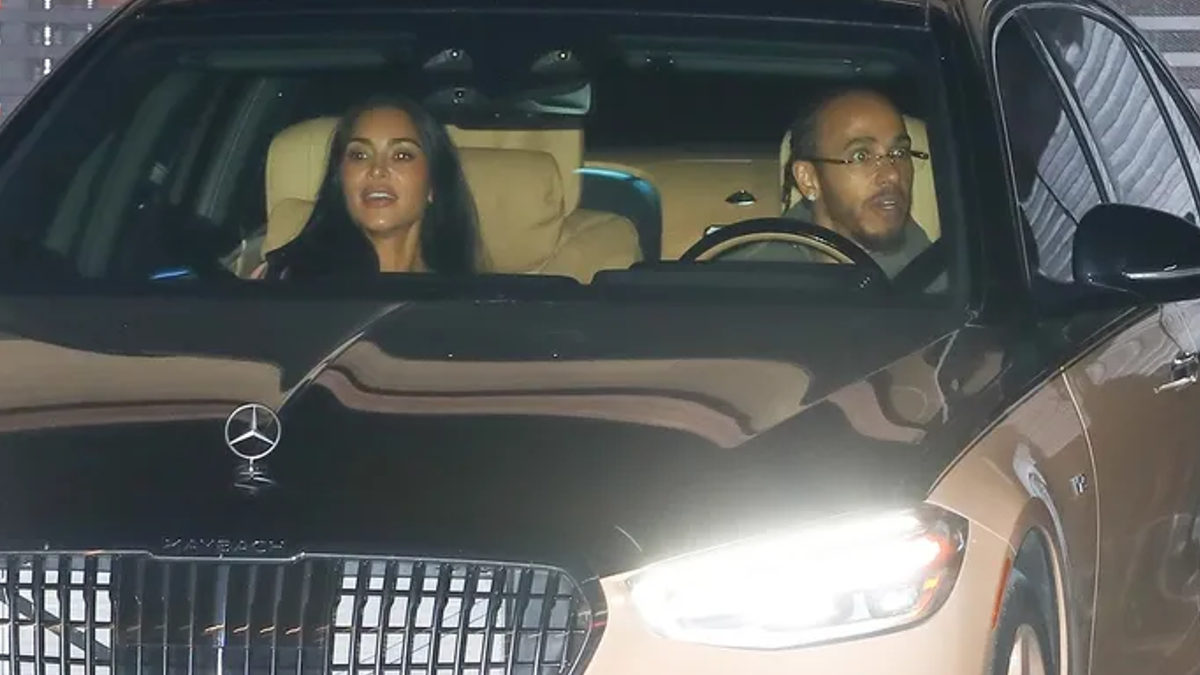
For the night, Kim wore a soft pink-toned top paired with a neutral skirt, while Lewis kept things sharp and understated in a grey-toned outfit. The styling reflected a polished but effortless date-night look for both.
This Nobu outing comes shortly after several other public appearances. The two were seen together at Coachella, watching performances and spending time in the crowd, and were also spotted days later in Los Angeles on a more casual outing.
Beyond events, they have also been seen doing everyday activities together, including shopping for home items, which adds to the consistency of their time spent together.
The Nobu dinner is simply the latest in a series of appearances that show Kim Kardashian and Lewis Hamilton continuing to spend time together, both at high-profile events and in more low-key settings.
Patrick Muldoon dies at 57, leaving behind a legacy across film and television
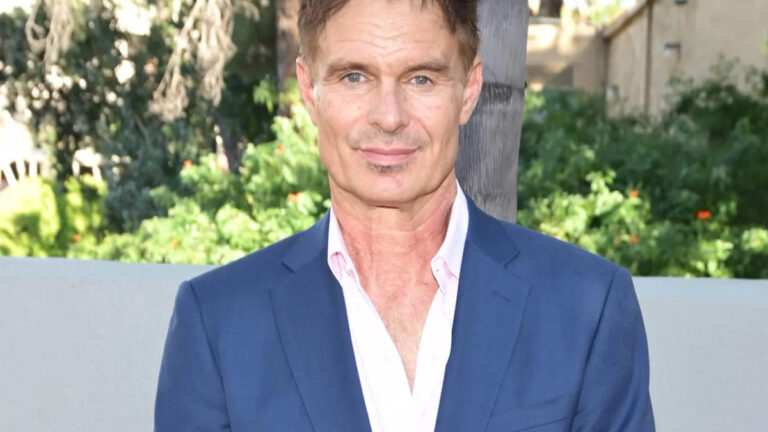
The entertainment world has lost another familiar face as Patrick Muldoon passed away at the age of 57. His death was confirmed by his manager, while his sister later shared that he was found unconscious at home. While the exact cause has not yet been officially detailed, the news has already left fans and colleagues in shock. Muldoon’s career was one that many viewers grew up watching.
He carved out a space for himself in both television and film, becoming a recognizable presence through the 1990s and early 2000s. For many, his breakthrough came with the long-running soap opera Days of Our Lives, where he quickly gained popularity and established himself as a strong screen presence.
He later became widely known for his role in the sci-fi cult classic Starship Troopers, a film that, over time, built a loyal fanbase and remains a defining part of his career. His performance added to the film’s dynamic energy, helping it evolve into one of the most talked-about sci-fi films of its era.
Muldoon’s television journey extended beyond soaps. He appeared in popular series like Saved by the Bell and Melrose Place, both of which were major cultural staples of their time. These roles helped solidify his place in mainstream television and introduced him to a wider audience.
What made Muldoon stand out was his ability to adapt. Whether it was drama, action, or romance, he moved between genres with ease. He brought a certain intensity to his characters while still maintaining relatability, something that made audiences connect with him over the years.
In more recent years, he continued to stay active in the industry, taking on new roles and even reuniting with past collaborators. One of his latest projects saw him working again with Starship Troopers co-star Denise Richards, showing that his ties to earlier phases of his career remained strong.
Beyond the screen, Muldoon was known for his passion for storytelling and his commitment to his craft. He may not have always been in the spotlight in later years, but his impact on the projects he was part of remained significant.
His passing marks the end of a career that quietly but consistently contributed to both television and film. For fans who followed his journey from daytime soaps to cult classics, Patrick Muldoon will always remain a familiar and memorable face.
As more details emerge, tributes are expected to pour in from across the industry. For now, audiences are left reflecting on a career that spanned decades and delivered performances that continue to live on.
Olivia Rodrigo and Addison Rae light up Coachella with surprise ‘Drop Dead’ debut
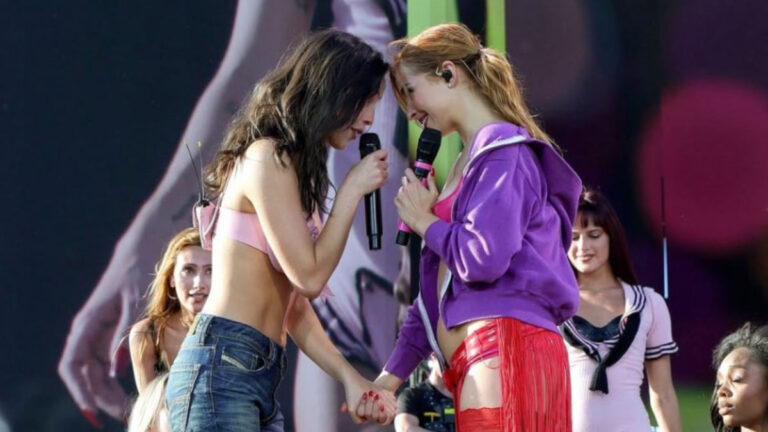
Coachella 2026 has been full of headline-making moments, but one of the most unexpected and exciting collaborations came when Olivia Rodrigo surprised fans by joining Addison Rae on stage. The crowd was already buzzing as Addison Rae performed “Headphones On” from her latest album Addison. But just when the energy hit its peak, Olivia Rodrigo walked onto the stage without any prior announcement, sending the audience into an absolute frenzy.
What followed was not just a surprise appearance, but the live debut of Rodrigo’s brand new single, “Drop Dead.” The track instantly caught attention, offering fans a first taste of her upcoming third studio album, You Seem Pretty Sad for a Girl So in Love.
The performance felt electric yet intimate. Addison Rae even joined in for parts of the song, creating a moment that felt like a perfect blend of two distinct pop worlds colliding. The chemistry between the two artists was natural, and the crowd responded with overwhelming excitement.
“Drop Dead” is expected to set the tone for Rodrigo’s new era. Known for her emotionally driven songwriting, she seems to be exploring a slightly more experimental and layered sound this time. The song carries a mix of vulnerability and boldness, hinting at an album that dives deep into the complexities of love, fear, and longing.
Adding to the anticipation, the track has already been paired with a visually striking music video directed by Petra Collins, reportedly shot at the Palace of Versailles. The aesthetic leans into dreamy, retro-inspired visuals while balancing modern storytelling, perfectly aligning with Rodrigo’s evolving artistic identity.
In recent interviews, Rodrigo has described the album as a collection of “sad love songs,” emphasizing how her favorite romantic tracks often carry a sense of yearning beneath their beauty. This emotional depth is clearly reflected in “Drop Dead,” making it an exciting preview of what’s to come. With the album set to release soon and a major appearance lined up on Saturday Night Live, Olivia Rodrigo is entering a new phase of her career with confidence and creative clarity.
And if Coachella proved anything, it is that when artists like Olivia Rodrigo and Addison Rae share a stage, the result is not just a performance, it is a moment fans will talk about long after the festival ends.
Billie Eilish’s Mother Thanks Justin Bieber For Special Moment
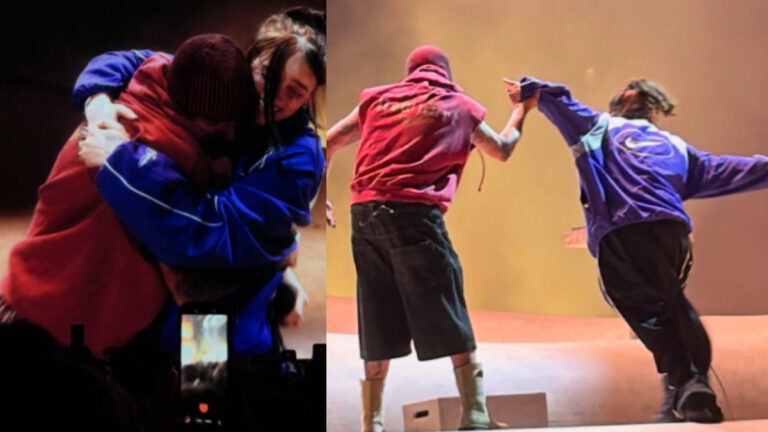
Billie Eilish’s mother Maggie Baird recently shared an emotional message thanking Justin Bieber. She posted a series of photos on Instagram from the second weekend of Coachella, where Bieber performed and shared a special moment with Billie on stage.
In her post, Maggie described the experience as very meaningful for both her and her daughter. She spoke about how children often form strong emotional connections with artists they admire. She explained that parents usually cannot do much beyond supporting those interests in small ways.
She wrote, “One of the most touching moments ever. It sounds crazy, but we watch our children develop these deep deep connections to artists who move them and usually there’s nothing in our power to do. But we buy them records and maybe buy them a ticket to a concert (or a movie of a concert in our case because we couldn’t afford to see an actual concert). Watching this crazy unimaginable dream come true over many years is so incredible”.
She also thanked Justin Bieber and his wife Hailey Bieber for their support. “I’m so grateful to Justin Bieber for the kindness he has shown Billie and to our whole family and to Hailey who makes so many things wonderful and possible (sic)”.
During his performance at Coachella, Justin Bieber invited several artists on stage. These included Sexyy Red, Billie Eilish, and SZA. He performed a mix of songs from his career, including tracks like Go Baby and All I Can Take.
Billie Eilish has often spoken about how Justin Bieber influenced her music journey. The two first met at Coachella in 2019 and later worked together on a remix of her song Bad Guy.
SZA also joined Bieber during the performance to sing Snooze. They had previously performed the song together at SoFi Stadium in Los Angeles during her tour with Kendrick Lamar.
The recent Coachella performance highlighted the ongoing connections between these artists and showed how earlier influences can turn into real life collaborations over time.
Euphoria Season 3 Episode 2 is Out: Stronger character arcs, but still missing its soul

Episode 2 of Euphoria Season 3 finally feels like a step forward from the premiere. It is more engaging, more focused, and gives us deeper insight into its characters. But even with that improvement, something still feels missing. And it is hard to ignore that the show’s emotional impact is not hitting the same without the musical depth once shaped by Labrinth.
The biggest highlight of the episode is Maddy. We see her in a completely different space, building a life for herself and stepping into a more stable and controlled version of who she is. She is working, managing people, and carving out a career. Compared to most of the characters, she is clearly doing better, and it feels like growth that has been a long time coming.
Rue’s storyline, however, takes a much heavier and more layered turn. She is now working as a manager at a strip club, which introduces an entirely new environment for her character. Through this setting, the show explores the darker realities of that world, including drug use, overdoses, and the emotional toll it takes on the people involved.
What stands out is how human these moments feel. We see that the people working in this space are not just defined by their jobs, they have struggles, emotions, and vulnerabilities. One of the most powerful moments in the episode is when Rue drops a stripper off at rehab. There is visible concern in her, hesitation, and a sense of fear about leaving her there.
It feels like a full-circle moment. Rue, who is a recovering addict herself, is now in a position where she is witnessing the same struggles in others. She is not using anymore, and while her life is far from perfect, there is clear growth. She is more self-aware, more present, and trying, in her own way, to be better.
At the same time, her personal life remains strained. Her relationship with her mother is still distant, and she is not allowed to be close to her younger sister. It adds a quiet sadness to her arc that lingers throughout the episode.
Nate’s situation also reveals a different side of his life. He is shown to be in financial trouble, which partly explains why he is allowing Cassie to continue her adult content online. Their dynamic feels transactional and uncomfortable, adding another layer to their already complicated relationship.
Eric Dane also returns as Cal Jacobs, and his presence adds an unexpected emotional layer to the episode. Knowing everything his character has gone through, it is hard not to feel a sense of sadness watching him now. He appears to be struggling deeply, leaning into alcohol and clearly not in a stable place. In one scene, he is even seen asking his son for more liquor, which really highlights how far he has fallen. What stands out the most, though, is that he is still not at peace with his sexuality. He continues to avoid fully accepting who he is, trying to justify himself in ways that feel more like denial than understanding. At this point, it almost feels like he has given up on ever coming to terms with it, which makes his arc all the more tragic.
Cassie’s storyline continues to spiral in a way that feels extreme and, at times, difficult to watch. Her involvement in explicit content, including unsettling themes and requests, is portrayed very openly. While the show may be trying to highlight exploitation and desperation, the execution feels excessive. Her interaction with Maddy is easily one of the most uncomfortable scenes of the episode.
There is tension, awkwardness, and a strong sense of secondhand embarrassment. Cassie openly shows off her engagement ring and even invites Maddy to her wedding, which only makes the situation more uneasy. At this point, Cassie’s character feels emotionally hollow. Her motivations seem to revolve entirely around validation and money, and she appears willing to go to any extent to achieve it. It feels less like character development and more like a breakdown of who she used to be.
Jules also appears in the episode, and even in brief moments, the chemistry between her and Rue is still undeniable. There is tension, history, and clear emotional weight that continues to build. She’s a sugar baby to a married man and lives in his fancy apartment.
Overall, Episode 2 is definitely an improvement over Episode 1. It holds attention better, offers stronger character focus, and gives us more to engage with. But the show still carries its long-standing issues.
Euphoria remains visually striking and emotionally intense, but it is still a deeply problematic show. And without the powerful musical backbone it once had, it feels like it is missing a part of what made it truly unforgettable. One thing remains clear: this is not a show for younger audiences, and it never really was.