Home Blog Page 188

Do Yami Gautam’s films hint at her early aspirations?

0

There is a certain kind of space that Yami Gautam seems to return to every now and then. It is not loud, not designed for easy applause, and not always built around spectacle. It is a space shaped by systems. By institutions. By the idea that power often sits in rooms, files, decisions, and consequences rather than in grand gestures.

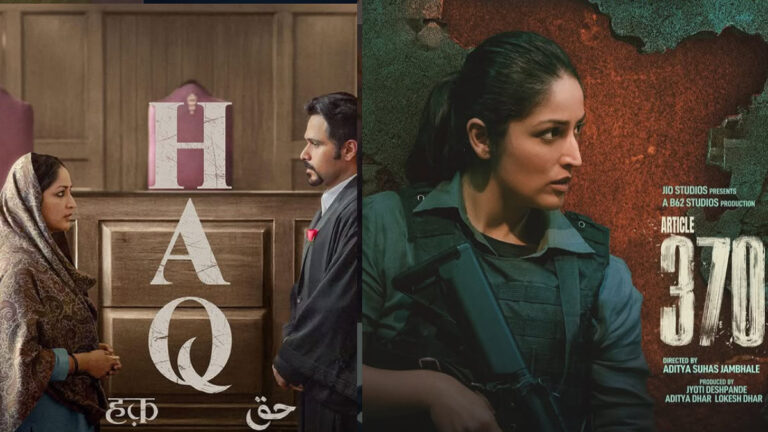
You see it in films like Haq and Dhurandhar, where the pull is not towards glamour but towards structure. The stories lean on law, on authority, on the tension between individuals and the systems they operate within. Even when these projects do not sit at the centre of mainstream conversation, they carry a certain seriousness in what they are trying to engage with.

Then there are the more visible films. Uri: The Surgical Strike and Article 370, both linked closely with Aditya Dhar, push that engagement further into the spotlight. Here, the state is not just present, it drives the narrative. The stakes are national, the language is procedural, and the characters exist within clearly defined hierarchies of power. These are not accidental backdrops. They are the point.

What stands out is not consistency in genre, but consistency in interest. Across these films, there is a recurring pull towards stories where institutions matter. Where decisions carry weight beyond the individual. Where the machinery of governance is not invisible.

It would be easy to read this as coincidence. After all, actors move through an industry shaped by scripts, directors, and timing. Choices are rarely made in isolation. And yet, when a pattern appears often enough, it invites a second look.

Because step outside the films for a moment, and there is a detail that does not quite behave like throwaway trivia. Before any of this, in her late teens, Yami Gautam was studying law and preparing for the civil services. She intended to become an IAS officer. Acting came later. The direction changed, but the instinct, it seems, did not entirely disappear.

Seen in that light, these films do not feel like a sharp departure from an earlier ambition. They feel like a different way of staying close to it.
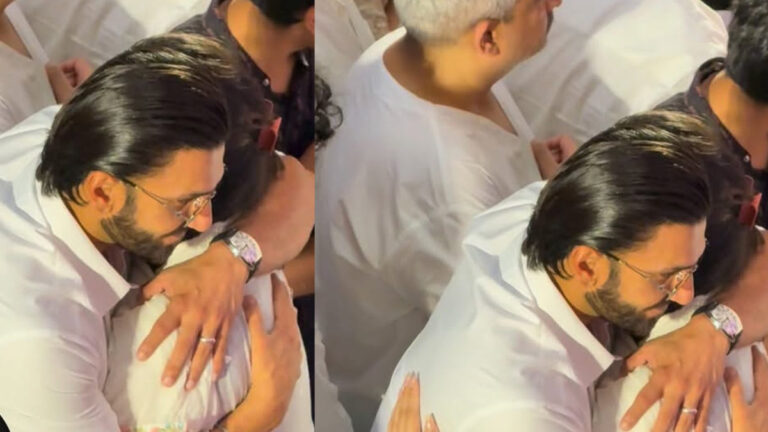

Inside Asha Bhosle’s Final Journey: Ranveer Singh Consoles Family in Emotional Scenes

0

The music world is mourning the loss of legendary singer Asha Bhosle, who passed away on April 12 in Mumbai at the age of 92. She was admitted to Breach Candy Hospital a day earlier and was being treated in the critical care unit. According to doctors, the cause of her death was multiple organ failure. Her passing has left a deep void in the Indian music industry, with fans and celebrities coming together to pay tribute to her incredible legacy.

Actor Ranveer Singh expressed his grief on social media and later attended her funeral to pay his last respects. He shared a throwback picture with the singer on Instagram and wrote, “Irreplaceable, incomparable. #AshaBhosle,” showing how much she meant to him. A video from the funeral has been circulating online, where Ranveer is seen meeting Asha Bhosle’s granddaughter Zanai Bhosle. He hugs her and consoles her as she breaks down, creating a deeply emotional moment that has touched many people.

Asha Bhosle’s last rites are being held at Shivaji Park crematorium with full state honours. Many members of the film and music industry have gathered to remember her life and achievements. She is being remembered not just as a singer but as a cultural icon whose voice defined generations of music lovers.

Over a career that lasted more than seventy years, Asha Bhosle sang thousands of songs in many languages including Hindi, Marathi, Bengali, Tamil, and Malayalam. She also recorded songs in English and even Russian, showing her wide reach and versatility. Her songs covered many styles, from classical and ghazals to cabaret and pop, making her one of the most flexible singers in Indian music.

Some of her most loved songs include Piya Tu Ab To Aaja, Dum Maaro Dum, Chura Liya Hai Tumne Jo Dil Ko, and Yeh Mera Dil. These songs are still popular today and continue to inspire new artists. As the country says goodbye to her, her music will continue to live on in the hearts of millions.

SNL UK Finds Its Footing, But Is Stabilizing Enough to Survive?

0

After a turbulent few weeks, Saturday Night Live UK seems to have finally found some breathing room. The fourth episode of the show drew around 120,000 viewers, marking only a slight dip from the previous week. In isolation, the number might not seem impressive, but in the context of its recent decline, it signals something more important than growth. It signals stability. Just a week earlier, the show had seen a dramatic drop in viewership, losing nearly 40 percent of its audience. That kind of fall for a new format, especially one carrying the legacy of Saturday Night Live, could have been a red flag for broadcasters and creators alike. 

Instead, this week’s numbers suggest that while the hype may have cooled, a core audience is beginning to settle in. This is where things get interesting. In television today, especially in comedy, virality often replaces loyalty. A show trends for a sketch, gets clipped across platforms, and disappears from conversation just as quickly. But for a format like SNL, which thrives on weekly engagement, cultural commentary, and recurring viewership, stability is far more valuable than a one-time spike.

The British adaptation has had a complicated start. Translating a deeply American format into a UK context was always going to be a challenge. The humor, pacing, and even the cultural references operate differently. What works in New York does not always land in London. The show has experimented with this balance, leaning into both British satire and American-style sketches, sometimes within the same episode.

The latest episode, hosted by Jack Whitehall, highlighted that tension. From jokes about his personal life to sketches referencing global political figures like Donald Trump, the show attempted to bridge two comedic worlds. It even leaned into current controversies, parodying headlines involving Melania Trump in a cold open that felt deliberately provocative.

Moments like these are designed for shareability. They are engineered to travel beyond television and into social feeds, where most modern audience discovery happens. But that also creates a paradox. If the show becomes too dependent on viral moments, it risks losing the consistency that made the original format successful in the first place.

What the current numbers suggest is that SNL UK is entering a transition phase. The initial curiosity-driven audience has filtered out. What remains is a smaller but potentially more engaged group of viewers who are willing to give the format time to evolve. For broadcasters, this is not a failure. It is a recalibration.

The bigger question now is whether stabilization is enough. In a crowded content landscape, where attention is fragmented and audience patience is limited, simply holding steady might not guarantee longevity. The show still needs to define its identity more clearly. Is it a British show with global relevance, or a global format trying to localize itself?

There is also the matter of timing. Weekly sketch comedy depends heavily on cultural immediacy. If the jokes feel even slightly delayed or disconnected from what audiences are discussing online, the impact weakens. In that sense, the show is not just competing with other television programs. It is competing with the internet itself.

Yet, there is something quietly promising about this moment. Stability, especially after a sharp decline, often indicates that the worst phase is over. It gives creators space to experiment, refine, and understand what resonates. It also suggests that despite early criticism, there is still curiosity around what SNL UK could become.

For now, the numbers may not scream success, but they do not signal collapse either. And in today’s entertainment ecosystem, that middle ground can sometimes be the most important place to be.

These films are ready, why haven’t they released

0

The growing list of completed but unreleased films in the Indian entertainment industry is no longer a coincidence. It is a pattern that is becoming difficult to ignore. From big star vehicles to mid-budget films and even web series backed by major platforms, several projects are stuck in a strange limbo where they are finished, ready, and yet invisible to the audience.

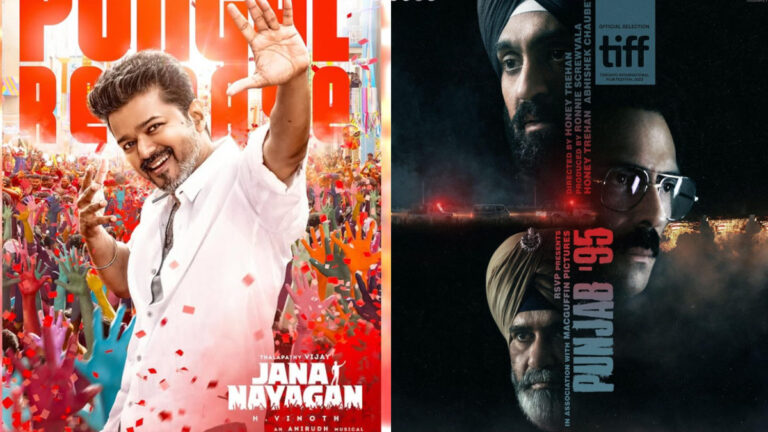
Take Jana Nayagan starring Vijay. The film was originally expected to arrive in early 2026, but it has run into certification delays and legal complications. What is important here is that the film is not incomplete or shelved. It is ready but waiting for clearances that have not come through on time, reflecting how even star-driven projects are not immune to regulatory slowdowns.

A very different kind of issue surrounds Chakda Xpress starring Anushka Sharma. The film has been ready for quite some time and was expected to release on Netflix. However, industry reports suggest that disagreements over budgets and creative positioning between the platform and the producers have kept it unreleased. This case clearly shows that OTT is no longer the guaranteed fallback it once was, especially when financial expectations do not align.

The situation becomes even more complicated with Gulkanda Tales, directed by Rahi Anil Barve and featuring actors like Kunal Kemmu and Patralekha. The series has reportedly faced dissatisfaction at the platform level, leading to reworking and delays. This reflects a growing trend where completed shows are being held back because they do not fully match the platform’s evolving content strategy.

One of the most high-profile cases remains Punjab ’95 directed by Honey Trehan and starring Diljit Dosanjh. The film is based on real events and has faced extensive censorship hurdles, with a large number of suggested cuts. The sensitivity of its subject has made its release particularly challenging, highlighting how real-life political narratives are increasingly under scrutiny.

At the same time, there is another set of films where the silence is even more telling. Projects like Pooja Meri Jaan starring Huma Qureshi and Mrunal Thakur, Risky Romeo featuring Sunny Singh and Kriti Kharbanda, and Woh Ladki Hai Kahaan starring Taapsee Pannu and Pratik Gandhi have been completed and known within trade circles, yet there is no clear, verified information about what is holding them back. No official statements, no confirmed release plans, and no detailed reporting explaining the delay. The absence of information in these cases becomes a story in itself, pointing towards uncertainty around distribution, positioning, or buyer confidence.

Even a film like Section 84 starring Amitabh Bachchan, along with Diana Penty and Nimrat Kaur, has not managed to lock a clear release timeline despite its strong cast. Yet again, there is no detailed, verified explanation available publicly, reinforcing how unpredictability has become the norm.

What connects all these films is not just delay but uncertainty. In some cases, the reasons are visible and documented. In others, there is complete silence. Together, they point to a larger structural shift in the industry where completion does not guarantee release and visibility is becoming harder to secure.

For years, the biggest fear for filmmakers was that a film might fail after release. Today, a new and more worrying possibility has emerged. A film might never release at all.

This assessment is based on information reported across multiple media outlets and trade sources, and in several cases, the lack of publicly available information itself reflects the current state of uncertainty around these projects.

Jennifer Lopez Makes Unexpected Coachella Appearance In Stylish Bodysuit

0

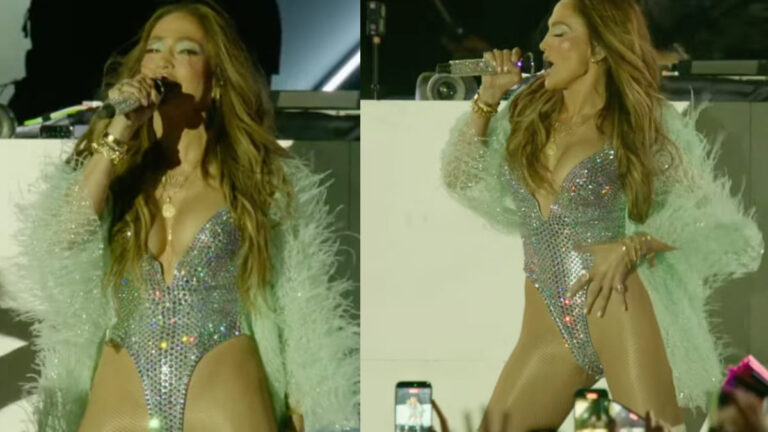
Jennifer Lopez made a surprise appearance at Coachella 2026, drawing strong reactions from the audience. The 56 year old singer joined David Guetta on stage during his set on Saturday to perform her new song, “Save Me Tonight,” which he produced.

Lopez appeared on stage wearing a silver high cut bodysuit along with a green feathered jacket. She later removed the jacket during the performance and completed the look with over the knee boots. She performed with a decorated microphone while the crowd responded with loud cheers. This marked her first time performing at the Coachella festival.

The performance comes at a time when Lopez has been active with her Las Vegas residency, where she has been regularly performing. During one of her recent shows, she made a light hearted comment related to her past relationship. While interacting with a fan on stage who introduced himself as Ben, she reacted humorously with an “ugh!” before laughing and continuing the show.

There have also been updates regarding her personal life. Reports state that Ben Affleck transferred his share of their Beverly Hills property to Lopez. The house, which was purchased for $60.85 million in June 2023, is a large property with 12 bedrooms, 24 bathrooms, and a basketball court. It was later listed for sale in June 2024 during reports of their separation. Lopez filed for divorce two months after that, and the process was completed in January 2025.

In a recent interview with “Nightline” in March, Lopez spoke about her current phase in life. She said, “I think, for the first time in my life, I feel like I’m free; I’m on my own. And it feels really good,” sharing her perspective after the changes in her personal life.

Overall, her appearance at Coachella added to the ongoing updates around her career and personal journey

Britney Spears Enters Rehab After DUI Arrest

0

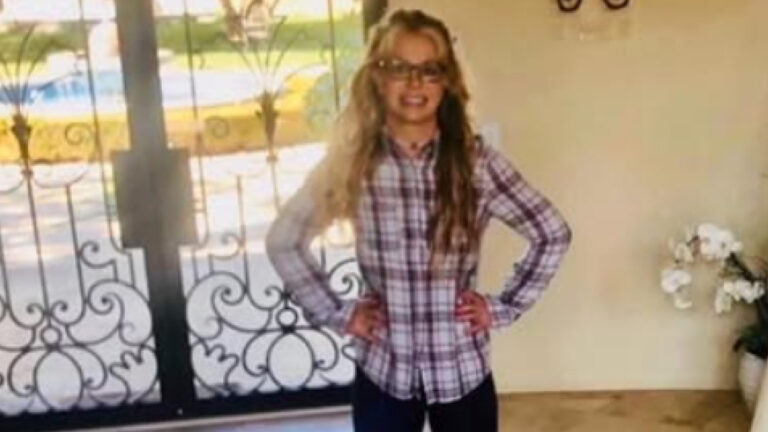
In a move that has once again placed her at the center of global attention, Britney Spears has voluntarily checked herself into rehab following her recent arrest on suspicion of driving under the influence. The decision comes weeks after the March incident in Ventura, California, and just ahead of her scheduled court appearance on May 4. For many, this moment feels familiar. Spears have long existed at the intersection of personal struggle and public consumption. Her life has been documented, dissected, and debated across platforms for years, often blurring the line between concern and spectacle. 

This latest development is no different, but it arrives in a media environment that is far more amplified, immediate, and reactive than ever before. What stands out is not just the incident itself, but the way it unfolded in the public eye. Reports of the arrest were quickly followed by statements from her representatives, social media posts from Spears herself, and a wave of commentary that ranged from support to scrutiny. Within hours, the narrative had already taken shape across digital platforms, each version slightly different depending on who was telling it.

In the days leading up to her entering rehab, Spears continued to post on Instagram, sharing videos and moments that appeared disconnected from the headlines surrounding her. This contrast between public reporting and personal expression has become a defining feature of modern celebrity culture. What is seen, what is said, and what is assumed often exist as three separate realities, all competing for attention.

Her representative described the arrest as an unfortunate and inexcusable incident, while also hinting at the need for change and support. That framing is important. It shifts the focus from a single event to a broader narrative of accountability and recovery. It also reflects a growing awareness around mental health and substance use, particularly in high-pressure environments like the entertainment industry.

At the same time, the timing of her decision to seek treatment raises larger questions about how public figures navigate personal challenges under constant observation. Unlike private individuals, celebrities do not have the luxury of processing difficult moments away from the spotlight. Every action becomes content, every decision becomes commentary, and every misstep becomes part of a larger storyline.

This dynamic is not accidental. It is driven by an ecosystem where attention fuels engagement, and engagement fuels visibility. The more a story circulates, the more it grows. Headlines evolve into discussions, discussions turn into opinions, and opinions shape perception. In that cycle, the individual at the center can often become secondary to the narrative being built around them.

Spears’ situation also highlights how quickly public sentiment can shift. Moments of vulnerability can generate empathy, but they can also be consumed as trending topics. The same platforms that allow artists to connect directly with their audience also expose them to constant judgment. Support and scrutiny exist side by side, often indistinguishable in their intensity.

There is also a deeper layer to consider. The entertainment industry has always been demanding, but the expectations placed on artists today extend far beyond their work. Visibility is constant. Relevance is measured in real time. And the pressure to maintain both can be overwhelming. In that context, incidents like this are not isolated. They are part of a larger pattern that reflects the cost of sustaining public attention.

Spears’ decision to enter rehab voluntarily suggests a level of awareness and willingness to take control of her narrative. It signals a step toward addressing the situation rather than avoiding it. At the same time, it does not remove the complexities that come with being a public figure navigating personal challenges in a highly visible space.

As the story continues to unfold, the focus will likely shift between her legal situation, her recovery, and the ongoing conversation around her life. But beyond the headlines, this moment serves as a reminder of the broader dynamics at play. Fame amplifies everything. Success, struggle, recovery, all of it becomes part of a public dialogue that rarely slows down.

For now, the narrative is one of pause and reflection. A step back from the noise, even if temporary. And in an environment where everything is constantly moving forward, that pause might be the most significant move of all.

Heidi Klum Goes Unrecognized At Coachella In Bold New Look

0

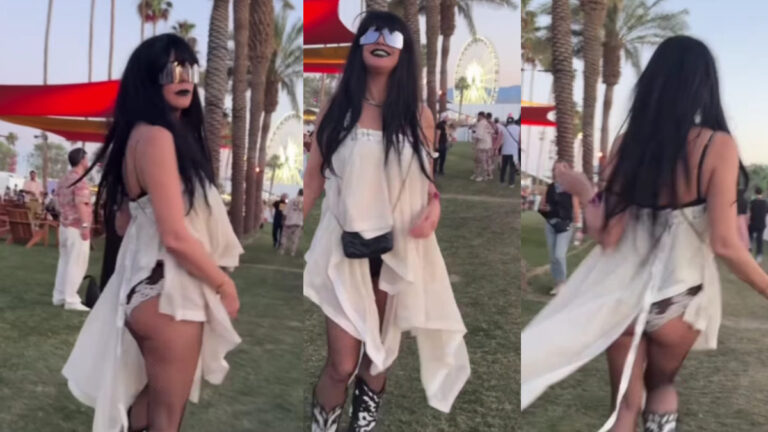
Heidi Klum drew attention at the Coachella 2026, but in an unexpected way. The 52 year old model attended the event in Indio, California, while appearing almost unrecognizable due to her changed look. On Saturday, Klum shared videos and photos on Instagram showing her walking around the festival in a different style than usual. She wore a black wig instead of her typical blonde hair and chose a beige strapless dress paired with visible lace lingerie.

She completed the look with black mirrored sunglasses, fishnet tights, and cowboy boots. She also changed her makeup by wearing black lipstick, which added to the overall transformation.

In her post, she wrote, “Coachella day 2 ‘Techno Hexen,’” giving a hint about the theme of her appearance. She was seen spending time with her friend Yannik Zamboni, who also wore a black wig and carried a white towel. Together, they moved around the festival without drawing much attention from others.

Many fans reacted to her posts online, expressing surprise at her look. Comments included, “That black wig just unlocked a whole new version of you 🔥,” and “👏 alter ego: activated.” Another person wrote, “Heidi just walking around and no one knows it’s her. Iconic,” highlighting how effective her disguise appeared to be.

On the first day of the festival, Klum wore a different outfit. She chose a white long sleeve cutout bodysuit with matching pants, along with a long blonde wig, blue reflective sunglasses, and a white beanie. In a video she shared, she was seen dancing and spinning while people around her did not seem to recognize her.

It is not clear which performances she attended during the festival. Reports mention appearances by artists like Sabrina Carpenter and Justin Bieber. Klum did share clips of Addison Rae performing on stage.

As the festival continued, it remained uncertain what style she would choose next, especially with Karol G scheduled to close the event.

Britney Spears Shares Bold Dance Clip Before Rehab Stay

Britney Spears has been in the news following recent developments in her personal life. Reports state that the 44 year old singer voluntarily checked herself into a rehabilitation facility on Sunday. This decision came after an alleged DUI related incident that took place last month.

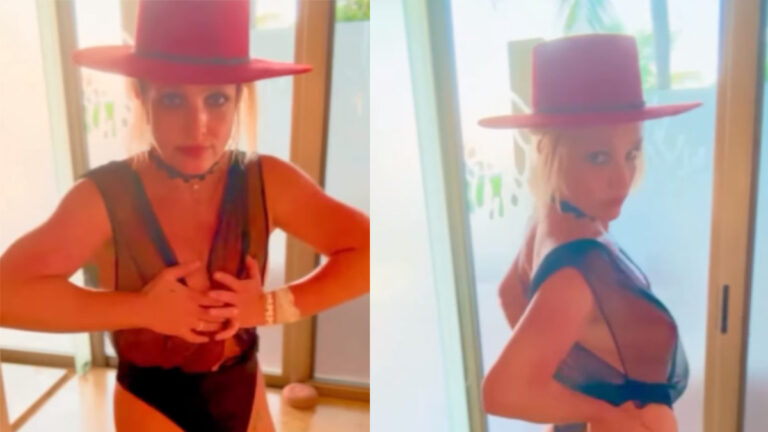
Just hours before entering rehab, Spears shared a video on Instagram where she was seen dancing. In the clip, she wore a black outfit along with a red hat and black boots. The video showed her performing confidently to the song “I Like It” by Cardi B, J Balvin, and Bad Bunny. Later in the same video, she removed the hat and continued dancing with her hair down.

A day before this, she had also posted another video where she interacted with a bowl of water and flowers. Along with that post, she wrote, “Touch 🇯🇵.” She has remained active on social media in recent days, sharing multiple posts and videos.

According to reports, on March 4, authorities stopped Spears after noticing her driving pattern. It was alleged that she was moving between lanes, which led to her being taken into custody. Reports also mentioned that an unknown substance was found in her car at the time. It is believed that she may have been under the influence of alcohol and other substances. She was released the next morning, based on available records.

Following the incident, Spears continued to post on social media, including another video where she was seen dancing in a different outfit. Despite the situation, she has stayed active online and has not directly addressed the incident in detail.

There have also been updates about her family. Spears spent time with her two sons, Sean Preston, 20, and Jayden James, 19. Reports suggest that they have been supportive during this period. The two are her children with her former husband Kevin Federline.

At present, the situation continues to develop, with updates based on reports and social media activity.

Box Office Boom: How ‘Super Mario Galaxy Movie’ Is Powering Hollywood’s Comeback

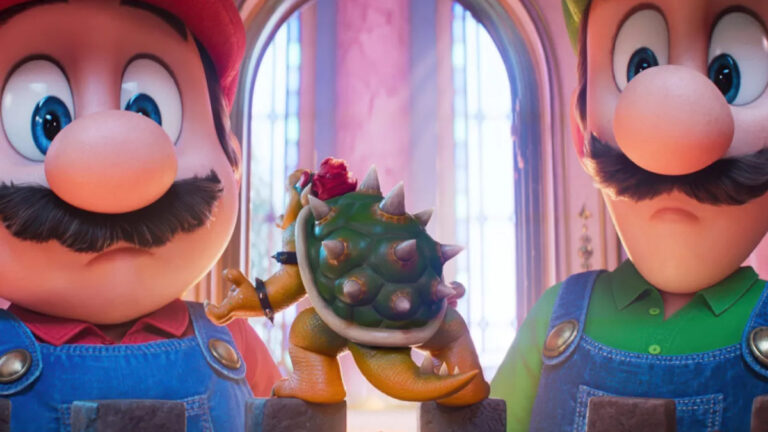
The global box office found its rhythm again this weekend, and at the center of that momentum sits The Super Mario Galaxy Movie, continuing its dominant run with a powerful $69 million second weekend. A drop of just 48% from its debut is not just a statistic, it is a signal. In a market that has struggled with consistency in recent years, this kind of hold reflects something deeper than just brand value. It reflects trust. With $308 million domestically and a massive $629 million worldwide in just under two weeks, the film has already overtaken Project Hail Mary as the highest-grossing movie of the year. 

But what makes this story more interesting is not just the numbers, it is what those numbers reveal about the current state of entertainment consumption. Audiences are showing up again, and they are doing so with intent. Theaters are no longer just a weekend option. They are becoming event spaces again. The success of a film like this, rooted in a globally recognized IP, shows how familiarity combined with spectacle continues to drive mass turnout. It is not just nostalgia. It is engineered engagement.

At the same time, the market is not one-dimensional. While Mario dominates, films like You, Me and Tuscany quietly entered the conversation with an $8 million opening. It may not seem massive, but for a mid-budget romantic film, it represents a steady and targeted win. The audience here is defined, largely female, largely young, and highly responsive to storytelling that feels personal rather than explosive.

Then there is The Drama, which continues to build momentum through conversation rather than scale. With an $8.7 million second weekend and a modest production budget, it is proving that word-of-mouth remains one of the most powerful drivers in modern cinema. People are not just watching it, they are discussing it. That distinction matters more than ever.

Even Hoppers, though slowing down, reinforces the idea that theatrical performance is no longer the only metric of success. Studios are now designing content with multi-platform lifecycles in mind. A film may plateau in cinemas but thrive on streaming, merchandise, and long-tail engagement.

What is unfolding is a layered ecosystem. Blockbusters drive footfall. Mid-budget films capture niche audiences. Indie projects fuel conversation. Each serves a different purpose, but together they create momentum. And that momentum is what the industry has been chasing since the post-pandemic slump.

The real takeaway here is not just that audiences are back, but that they are more segmented and intentional than ever before. A single weekend can cater to families, couples, and cinephiles simultaneously. The phrase “something for everyone” is no longer a cliché. It is a strategy.

From a broader perspective, this also reflects how entertainment is being positioned today. Films are no longer just products, they are experiences designed to extend beyond the screen. Marketing begins weeks before release, peaks during opening weekend, and then transitions into sustained digital conversation. The theatrical window is just one phase in a much longer lifecycle.

CinemaCon arriving at this moment only amplifies the narrative. Studios are walking into Las Vegas not with uncertainty, but with proof. Proof that audiences are willing to return, provided the offering feels worth their time and money. That last part is crucial. The value equation has changed. Viewers are no longer passive consumers. They are decision-makers.

And that is exactly why a film like “The Super Mario Galaxy Movie” matters. It is not just a hit. It is a benchmark. It shows what happens when scale, familiarity, and timing align with audience expectations. It also sets the tone for what the rest of the year could look like if studios continue to understand the balance between spectacle and substance.

The box office is not just recovering. It is evolving. And this weekend made that clear.

Offset Returns to Stage Days After Shooting, Rises From Wheelchair in Powerful Comeback Moment

0

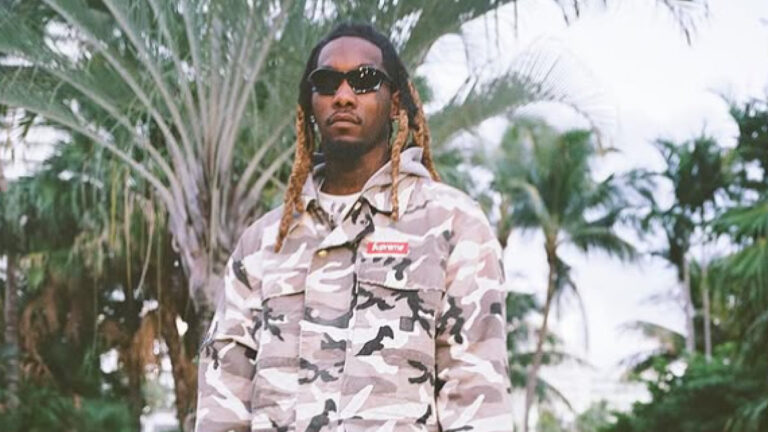
Just days after surviving a shocking shooting incident, Offset has made a dramatic and emotional return to the stage, proving that resilience often speaks louder than adversity. The rapper, known for his work with Migos, stunned fans when he performed at Rowfest at the University of Arkansas, appearing in a wheelchair before rising to his feet mid-performance in a moment that quickly turned into one of the most talked-about comebacks of the year. The incident that nearly derailed him occurred just five days prior, outside the Hard Rock Casino in Hollywood, Florida, where Offset was reportedly shot. 

While details around the shooting are still under investigation, what followed was not silence or retreat, but a bold, public display of strength. In a video shared on social media, Offset is seen taking the stage wearing a skeleton face mask, seated at first, before standing up as the crowd erupts. The symbolism wasn’t subtle. This wasn’t just a performance, it was a statement.

Fans watched as he delivered hits including the iconic “Bad and Boujee,” a track that once defined an era for Migos and still holds cultural weight today. The presence of a throne-like chair on stage suggested caution, but the act of standing, even briefly, carried far more impact than any elaborate stage production ever could. It was raw, unfiltered, and deeply human.

In the days leading up to the performance, Offset had already broken his silence, addressing the incident with a message that blended gratitude with introspection. He spoke about focusing on family, recovery, and music, while reflecting on the unpredictable nature of life. His words hinted at a shift in mindset, one shaped not just by fame or success, but by survival. The line between public persona and personal vulnerability blurred, and audiences responded to it.

The situation surrounding the shooting has added further layers of complexity. Lil Tjay, whose real name is Tione Jayden Merritt, was arrested in connection with the incident, though not specifically charged for the shooting itself. Authorities have confirmed that investigations are ongoing, and statements from his legal team have denied any direct involvement in the act. Another individual was detained but not charged, leaving several unanswered questions as the case develops.

Beyond the immediate aftermath of the shooting, Offset is also navigating separate legal challenges, including a lawsuit related to an alleged unpaid casino debt. While his team has stated that efforts are underway to resolve the matter, it adds another dimension to what is already a turbulent period in his life.

Yet, what stands out most is not the controversy or the complications, but the comeback. In an industry where public perception can shift overnight, Offset’s decision to step back into the spotlight so quickly is both risky and calculated. It reinforces his image as an artist who refuses to be sidelined, someone who understands that presence matters as much as performance.

There is also a deeper narrative at play here, one that extends beyond music. The idea of resilience in the face of public adversity has always resonated with audiences, but moments like these amplify it. Seeing an artist physically rise after a traumatic event creates a connection that goes beyond fandom. It becomes personal for those watching, a reminder of perseverance in its most visible form.

Offset’s journey from that incident in Florida to a live stage in Arkansas in under a week is not just a timeline, it’s a statement of intent. He is not retreating, not waiting for the storm to pass quietly. Instead, he is choosing to face it head-on, with music as his anchor and performance as his voice.

What comes next remains uncertain. Investigations will continue, legal matters will unfold, and public narratives will evolve. But for now, one thing is clear. Offset is not stepping away. If anything, he’s stepping forward, stronger, louder, and more determined to reclaim his space than ever before.