
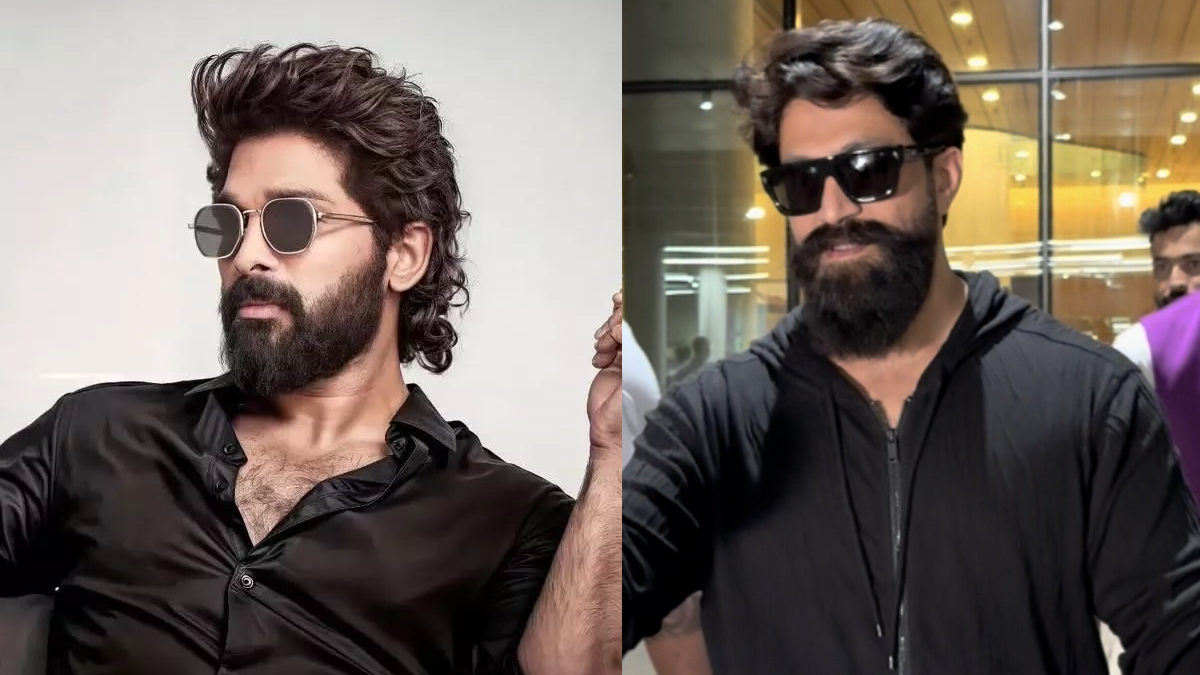
Walk into a packed theatre anywhere in South India on the first day of a big release and pay close attention to what happens before the hero even appears on screen. The lights dim, the production logo fades away and then comes a title card carrying just two words. “Superstar.” “Thalapathy.” “Power Star.” “Rocking Star.” “Rebel Star.” Before the actor is even seen, the theatre erupts into deafening whistles, chants and celebrations. For millions of fans, those titles are not just fancy prefixes. They are an identity, an emotion and a badge of honour.
This unique culture did not begin with today’s stars. It goes back several decades to an era when Tamil cinema’s greatest legends were honoured with titles that reflected the love and respect they had earned from audiences. M.G. Ramachandran became known as Makkal Thilagam, meaning People’s Pride. Sivaji Ganesan was celebrated as Nadigar Thilagam, or the Pride of Actors. Gemini Ganesan was affectionately called Kadhal Mannan, the King of Romance. These were not marketing slogans. They were titles gifted by admirers and the film fraternity after years of extraordinary work.
The idea took on a completely new life when Rajinikanth arrived. By the late 1970s and throughout the 1980s, the simple word “Superstar” became inseparable from his name. Every Rajinikanth film proudly announced him as Superstar Rajinikanth, turning those eight letters into one of Indian cinema’s most powerful brands. Fans did not wait for his first scene to cheer. The title card itself became an event. Even today, theatres explode with whistles and confetti the moment “Superstar” flashes on screen.
Rajinikanth’s success inspired every South Indian film industry to embrace the tradition in its own way, giving birth to some of the most iconic titles in Indian cinema.
Kamal Haasan came to be celebrated as Ulaganayagan, meaning the Universal Hero, recognising not just his acting brilliance but also his contributions as a writer, director, producer and filmmaker who constantly pushed creative boundaries.
Telugu cinema proudly crowned Chiranjeevi as Megastar after he transformed commercial cinema with an unmatched run of blockbusters and became one of the biggest entertainers the industry had ever seen. His younger brother Pawan Kalyan earned the title Power Star thanks to his charismatic screen presence and fiercely loyal fan following that continues to grow across generations.
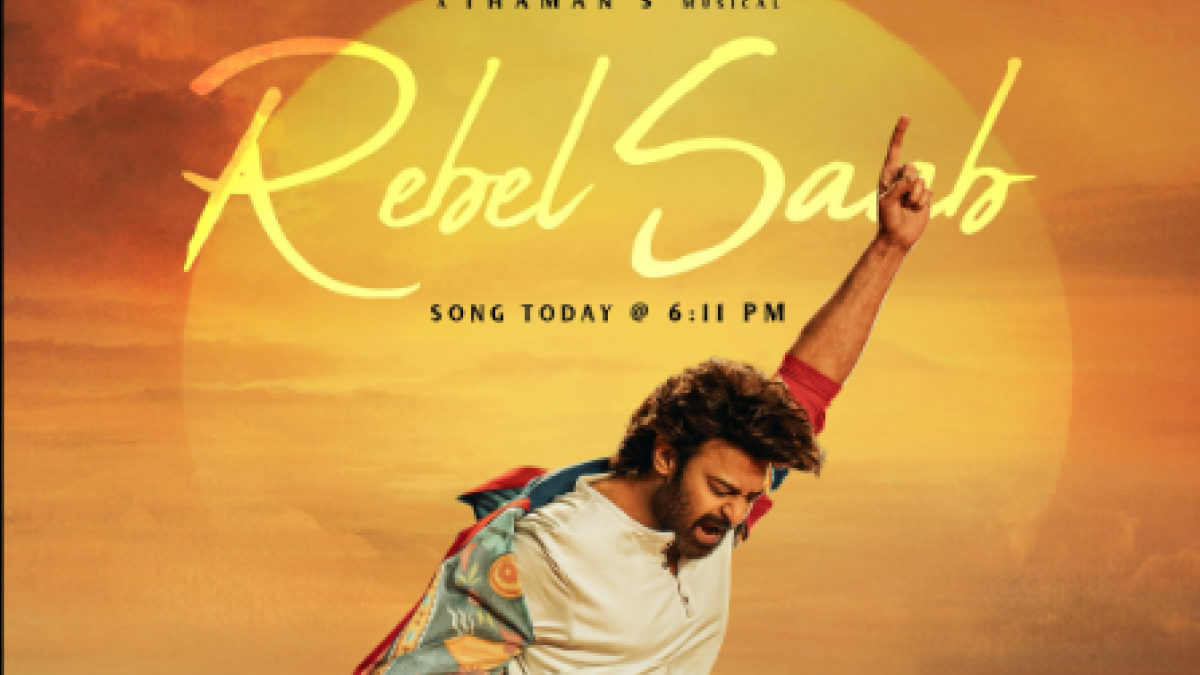
Prabhas carries the title Rebel Star, a name that originally belonged to his legendary uncle Krishnam Raju. Instead of creating a new identity, Prabhas embraced the title and gave it an even larger global reach through films like Baahubali and Salaar. Today, fans across the world instantly connect the words Rebel Star with him.
Allu Arjun was once celebrated as Stylish Star because of his dancing, fashion sense and effortless screen presence. Following the phenomenal success of Pushpa, his image evolved and so did his title. He is now widely known as Icon Star, reflecting his influence that extends well beyond Telugu cinema.
Ram Charan’s recent international recognition following RRR saw fans and the industry begin calling him Global Star. The title reflects how his popularity has expanded far beyond India, with audiences across continents recognising his work.
Nani continues to be affectionately known as Natural Star, a title that perfectly captures his effortless performances and relatable screen image. Unlike larger than life action heroes, Nani built his reputation by making ordinary characters feel authentic and memorable.
Tamil cinema has developed some of the strongest emotional connections between stars and their titles. Ajith Kumar became Thala, meaning leader. For years, fans proudly addressed him only by that title, making it one of the most recognisable identities in Indian cinema. Although Ajith himself has requested that fans avoid using the title and simply call him by his name, many admirers still lovingly refer to him as Thala out of habit and respect.
Vijay’s journey is equally fascinating. Early in his career, he was introduced as Ilayathalapathy, meaning Young Commander. As his stature continued to grow, the “Ilaya” was dropped and he became simply Thalapathy. Today, just hearing that one word is enough for fans to know exactly who is being celebrated.
Vijay Sethupathi earned the title Makkal Selvan, meaning People’s Treasure, because of the grounded, relatable image he cultivated through unconventional performances and his close connection with audiences.
Kannada cinema has proudly carried its own tradition of memorable titles. Veteran actor Ambareesh became the original Rebel Star long before the title reached Telugu cinema through Krishnam Raju and later Prabhas. Darshan is celebrated as Challenging Star, recognising the fearless image he built over decades. Upendra became Real Star for constantly redefining mainstream cinema with his unique storytelling and screen persona. Yash proudly carries the title Rocking Star, a name that existed before KGF but reached iconic status after the franchise transformed him into a nationwide phenomenon. Today, saying “Rocking Star” immediately brings Yash to mind for fans across India.
Interestingly, Malayalam cinema has largely stayed away from elaborate official prefixes. Instead, fans prefer affectionate family like names. Mammootty is lovingly called Mammookka while Mohanlal is Lalettan. These names carry warmth rather than grandeur, reflecting a slightly different fan culture while serving the same purpose of expressing admiration.
What makes these titles so powerful is that they are far more than branding exercises. In many cases they were born through fan clubs, popular film magazines or repeated public usage before producers officially adopted them. Once accepted, they became inseparable from the stars themselves. Posters, teaser announcements, trailers, theatre standees, social media campaigns and even television promotions prominently feature these monikers. Many first look posters reveal only the title without mentioning the actor’s actual name because fans already know exactly who is being referred to.
This deep emotional attachment also explains why fans take these titles incredibly seriously. Across social media, debates often erupt when someone uses the wrong title or omits it altogether. Fan clubs proudly chant the moniker during celebrations, print it on banners and merchandise, and even organise massive cutouts carrying nothing but the title. In many theatres, the loudest applause still arrives not during the hero’s entry but at the very moment the title card appears.
At the same time, the growing popularity of these prefixes has sparked another debate. Earlier, such honours were usually reserved for actors who had already built legendary careers. Today, newer stars are often introduced with grand titles much earlier in their journey, leading some fans to wonder whether these honours should be earned over decades rather than created through promotional campaigns.
Regardless of where one stands in that debate, one thing remains beyond question. In South Indian cinema, these titles are no longer just words placed before an actor’s name. They have become part of cinema’s living culture. They represent decades of fandom, unforgettable performances, collective memories and an emotional bond that stretches far beyond the silver screen.
For millions of movie lovers, Rajinikanth will always be Superstar, and the same is true of every legendary moniker that South Indian cinema has embraced over the decades. These aren’t just titles. They are identities, emotions and a celebration of the bond between stars and their fans.