
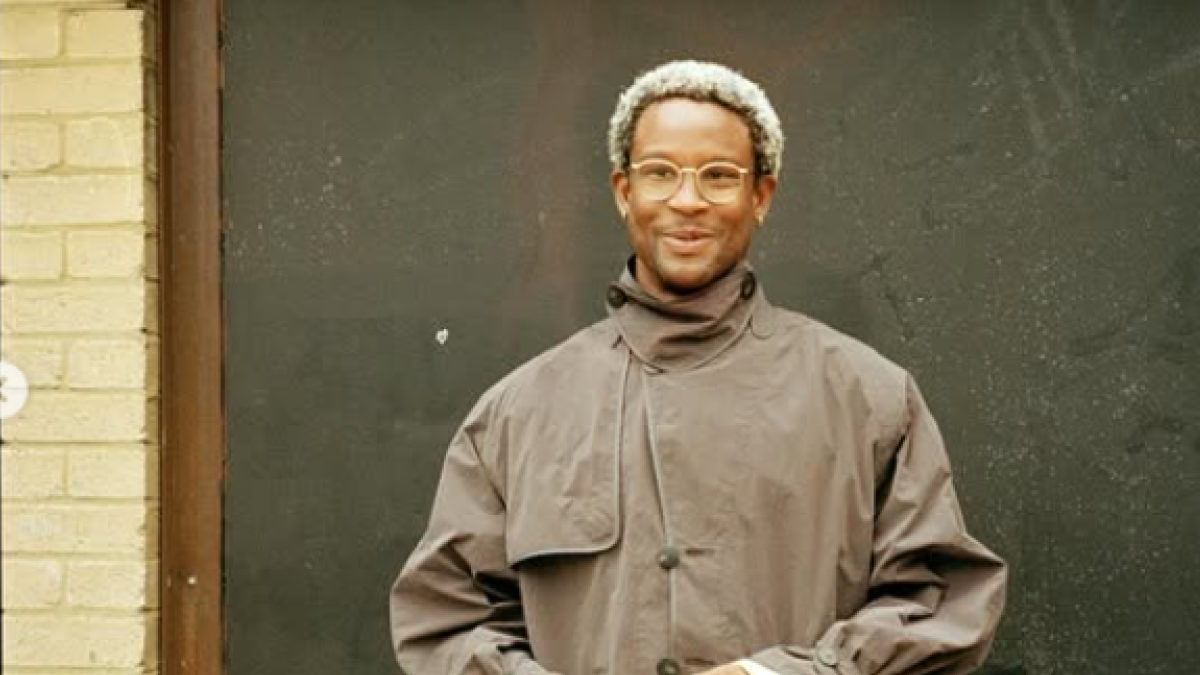
The BAFTAs are usually remembered for cinematic wins, emotional speeches, and red carpet moments, but this year’s ceremony has triggered an unexpected controversy involving editorial decisions made after the broadcast. Filmmaker Akinola Davies Jr., who delivered a powerful acceptance speech after winning at the ceremony, is now at the center of online debate after viewers noticed that a portion of his speech was removed from official BBC coverage and digital uploads.
During his original remarks on stage, Davies Jr. spoke about memory, heritage, and storytelling, urging audiences to “archive your loved ones, archive your stories yesterday, today, and forever.” He then referenced global communities and struggles, mentioning Nigeria, London, the Congo, Sudan, and expressing support for Palestine. Audience recordings circulating online captured the full statement, but viewers later observed that the segment referencing international solidarity did not appear in the edited broadcast versions released by the BBC.
The edit quickly sparked discussion across social media platforms, where many questioned why that specific portion was removed. Critics argued that acceptance speeches have historically served as platforms for artists to express political, cultural, or humanitarian perspectives. For them, the omission raised concerns about whether broadcasters selectively shape narratives to avoid controversy rather than present events as they occurred live.
The situation gained additional attention because another moment from the ceremony remained untouched in the broadcast. Actor Theo Davidson experienced an involuntary tic episode during the event, during which offensive language was audibly spoken. Viewers pointed out that while this moment remained in circulation, the removal of Davies Jr.’s speech segment created a contrast that many found confusing. Some audiences interpreted the difference as inconsistent moderation standards rather than a clear editorial policy.
The BBC has long maintained guidelines allowing edits for timing, legal compliance, or content sensitivity when rebroadcasting live events. Award ceremonies often undergo post production adjustments before being distributed globally. However, modern audiences now compare official edits against real time recordings shared instantly online, making editorial decisions far more visible than they were in previous decades.
Davies Jr.’s speech itself reflected themes common in contemporary filmmaking conversations. His call to preserve stories resonated with diaspora communities and filmmakers who see cinema as an archive of identity and memory. For supporters, the removed lines were not simply political statements but part of a broader artistic message about history, displacement, and cultural continuity.
The backlash highlights a growing tension between live artistic expression and institutional broadcasting control. Award shows increasingly operate at the intersection of entertainment, activism, and global conversation. As audiences expect authenticity and transparency, even small edits can become symbolic of larger debates about whose voices are amplified and whose words are softened or removed.
Whether the BBC responds directly or not, the moment has already extended beyond the BAFTA stage. It has become a reminder that in the digital era, speeches no longer belong solely to broadcasters. Once spoken, they live across countless recordings, reshared clips, and public discussions, archived exactly as Davies Jr. encouraged audiences to do.