
Indian cinema stands among the most prolific film industries in the world, producing thousands of films every year across multiple languages and regions. While the presence of women on screen has grown steadily, with many taking on leading roles and driving narratives, the reality behind the camera tells a very different story.
Recently, producer Guneet Monga Kapoor highlighted a concerning statistic — out of the nearly 2,500 films produced in India last year, only about 3 percent were directed by women. The figure underscores the persistent gender imbalance in one of the most influential creative roles within filmmaking.
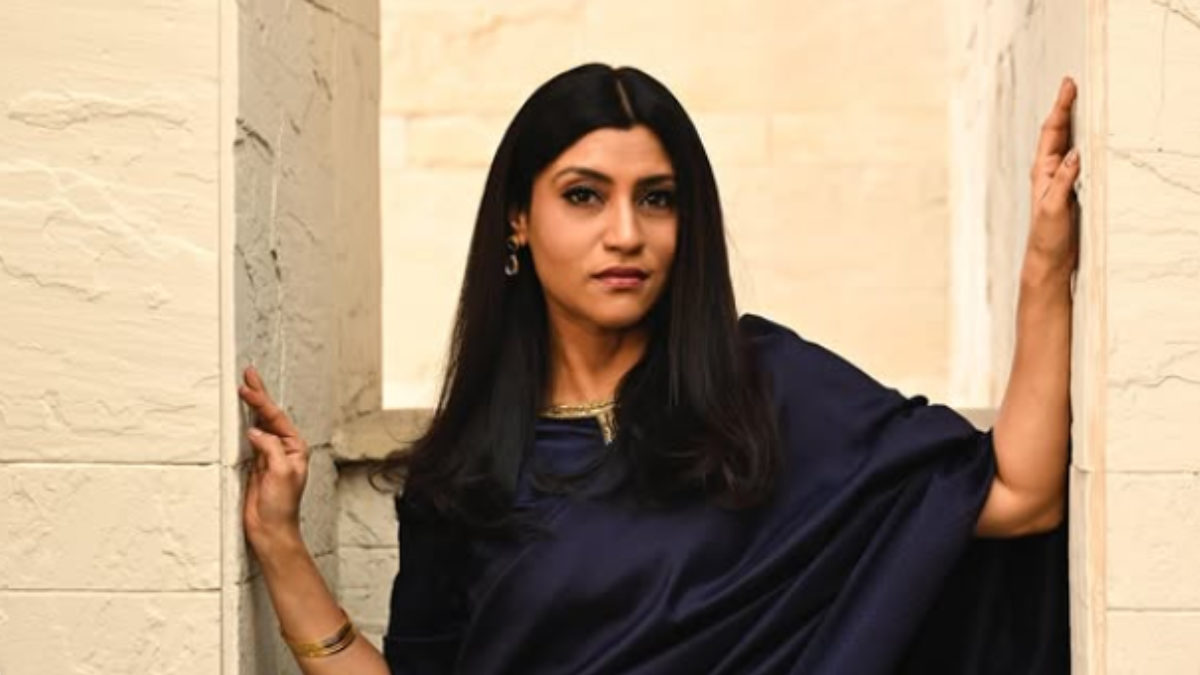
Weighing in on this issue, actor and filmmaker Konkona Sen Sharma described the numbers as deeply troubling. Speaking during a recent conversation ahead of the release of Accused, she emphasized that such a small percentage is simply not acceptable.
Konkona pointed out that while the situation may have improved slightly over the years, progress should not be measured against past limitations. Instead, the focus must remain on achieving true parity. In her view, representation matters not only for fairness but also for the diversity of stories being told.
Joining her in the discussion were actor Pratibha Ranta and director Anubhuti Kashyap, who helms Accused.
Anubhuti acknowledged the historical barriers that have shaped the current landscape. She explained that entrenched social structures and long-standing patriarchal norms delayed women’s entry into filmmaking roles. According to her, women have only recently begun to access these professional spaces in larger numbers.
She suggested that the current disparity may not always stem from deliberate exclusion but rather from systemic patterns that have evolved over decades. As more women pursue careers in filmmaking, the numbers are expected to grow gradually.
Pratibha Ranta shared her personal perspective, noting how geographical and social distance once made the film industry seem inaccessible. Growing up in Shimla, she viewed Mumbai as a distant dream. However, she now observes more women from similar backgrounds entering creative professions.
Despite these encouraging signs, the broader industry remains overwhelmingly male-dominated, particularly in key technical roles. Direction across major Indian film sectors — including Hindi, Tamil, Telugu, Malayalam and Kannada cinema — continues to see limited female representation.
The imbalance is even more pronounced in big-budget productions. Financial considerations often lead studios to favour established male directors, reinforcing existing disparities. Cinematography remains one of the least accessible fields for women, while areas like screenwriting and production have seen comparatively greater participation, though equality is still far from being achieved.
As conversations around representation gain momentum, voices from within the industry continue to call for meaningful change — not just in numbers, but in opportunities and creative leadership.