
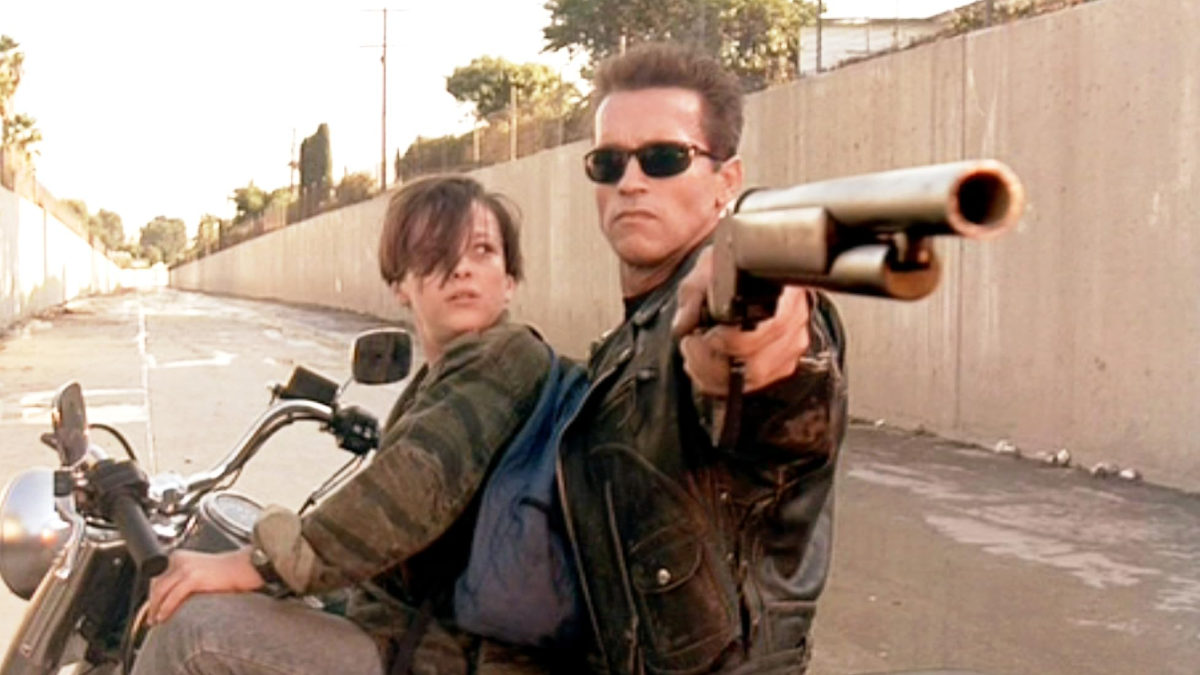
There was a time when Hollywood wasn’t embarrassed by sequels. The Godfather Part II. Terminator 2. Toy Story 2. The Dark Knight. Nobody was desperately trying to convince audiences that these films were something else. They were sequels, and they wore that label proudly. If the story was good enough, nobody cared what number came after the title. Today, things feel very different.
Studios seem determined to avoid certain words at all costs. A sequel becomes a “new chapter.” A remake becomes a “reimagining.” A continuation becomes a “companion piece.” Marketing teams spend months finding creative ways to avoid saying the obvious.
The strange part is that audiences were never the ones with the problem.
People don’t hate sequels. They hate bad sequels.
Nobody complained that Top Gun: Maverick was a sequel. Nobody refused to watch Spider-Man: No Way Home because it belonged to a franchise. Nobody walked into Inside Out 2 wishing Pixar had pretended it wasn’t a follow-up. These films succeeded because they justified their existence. They gave audiences something worth returning for.
That’s where Hollywood seems to have lost the plot.
For years, studios relied on nostalgia as a business strategy. Familiar logos, familiar characters, familiar worlds. Sometimes it worked. Sometimes it felt like audiences were being asked to buy a ticket based solely on memories of a movie they already loved.
Eventually viewers became more skeptical. They started asking a simple question: why does this story need to exist?
Instead of answering that question creatively, Hollywood often answered it linguistically.
The marketing changed. The labels changed. The buzzwords changed. The movies didn’t always change.
What’s even more frustrating is that the industry seems confused about what audiences actually want. On one hand, we constantly see studios making dramatic changes to beloved properties in the name of modernization or diversification. On the other hand, we see them refusing to take any meaningful risks with original stories.
The result is a strange contradiction. Sometimes Hollywood changes things that didn’t need changing. Sometimes it refuses to change anything at all. And somehow both approaches end up frustrating audiences.
The conversation around representation is a good example. There are countless stories, cultures, and historical figures that deserve bigger platforms and more investment. Yet instead of creating new icons, studios often find themselves fighting over existing ones. The debate becomes less about meaningful representation and more about replacing familiar faces in familiar franchises.
At the same time, reports continue to show declining opportunities for many underrepresented writers, directors, and creatives behind the scenes. So while Hollywood argues publicly about visibility, many of the people it claims to support are still struggling to gain access to decision-making roles.
That’s why the real issue isn’t sequels, reboots, or remakes.
It’s confidence. Confidence in original stories. Confidence in new talent.
Confidence that audiences will support something unfamiliar if it’s genuinely good.
Because history has already proven that viewers don’t reject sequels. They reject laziness. They don’t reject familiarity. They reject creative shortcuts.
A great sequel can be just as exciting as an original film. A great remake can introduce a classic story to an entirely new generation. A great reboot can revive a franchise that had been gathering dust for decades.
But none of those things become great because of what they’re called.
They become great because someone had a story worth telling.
Hollywood keeps searching for new words to describe old ideas. Maybe the industry should spend less time worrying about labels and more time making movies that don’t need an explanation in the first place.